


This is Yun Hai Taiwan Stories, a newsletter about Taiwanese food and culture by Lisa Cheng Smith 鄭衍莉, founder of Yun Hai. If you aren’t yet a subscriber, sign up here.
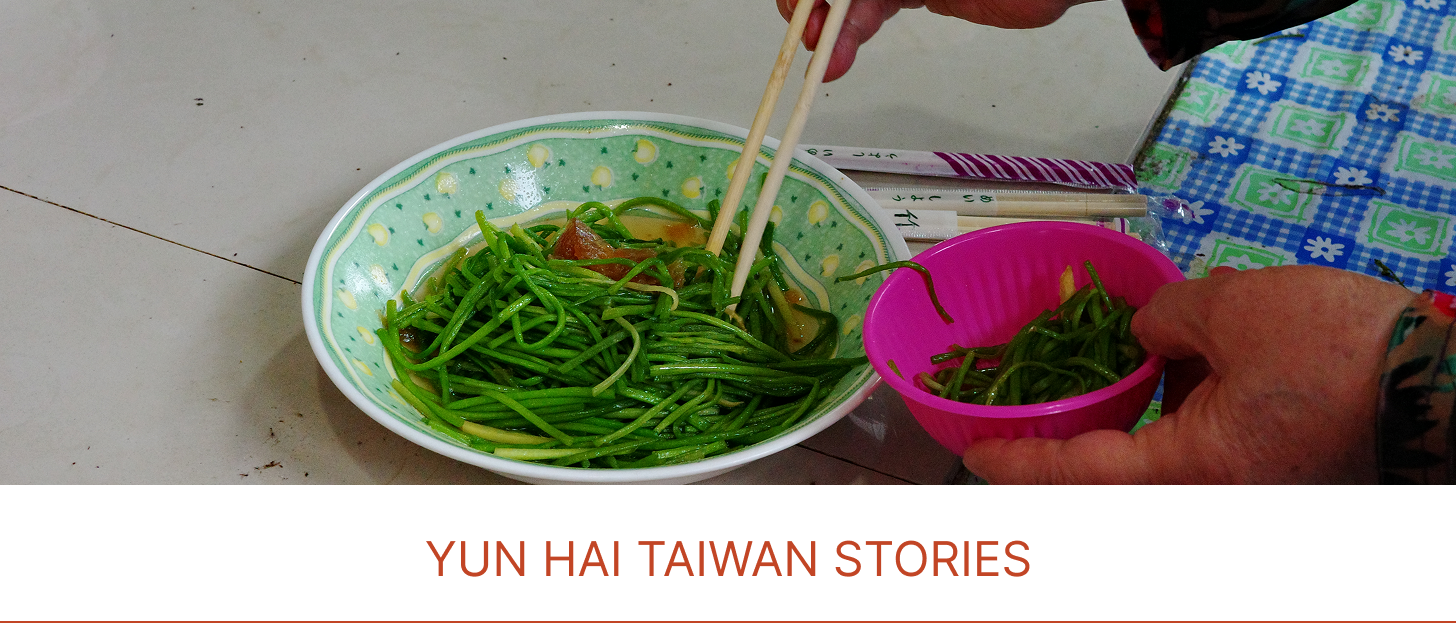
As we embark on a new year and reflect on the one just past, I continue my annual tradition of returning to the wisdom of the garden, especially when times are tough. Read on to find out how a creative failure shifted my priorities this year and twelve selected newsletters that reflect that. I’m so grateful for all that’s come to pass, and the continued privilege to do this work. Here’s to 2026!
And finally, a reminder that today is the last day of our warehouse sale, a good opportunity to stock up.
For me, the garden as a metaphor for business and life serves as an antidote to the hubristic ambition that surrounds us, beckoning. I’m not only referring to the dark political climate we’re in, or the very real threats to Taiwan’s continued existence, but also to the ever-accelerating domination of technology, simulacra, and data as a stand-in for experience.
The tools built to “free” us (from what? to do what?) increasingly feel like shackles. There are so many intermediaries, platforms, and algorithms (this email is produced on substack, guilty as charged) to attend to. But digging around in the dirt is a technology, too. Produce.
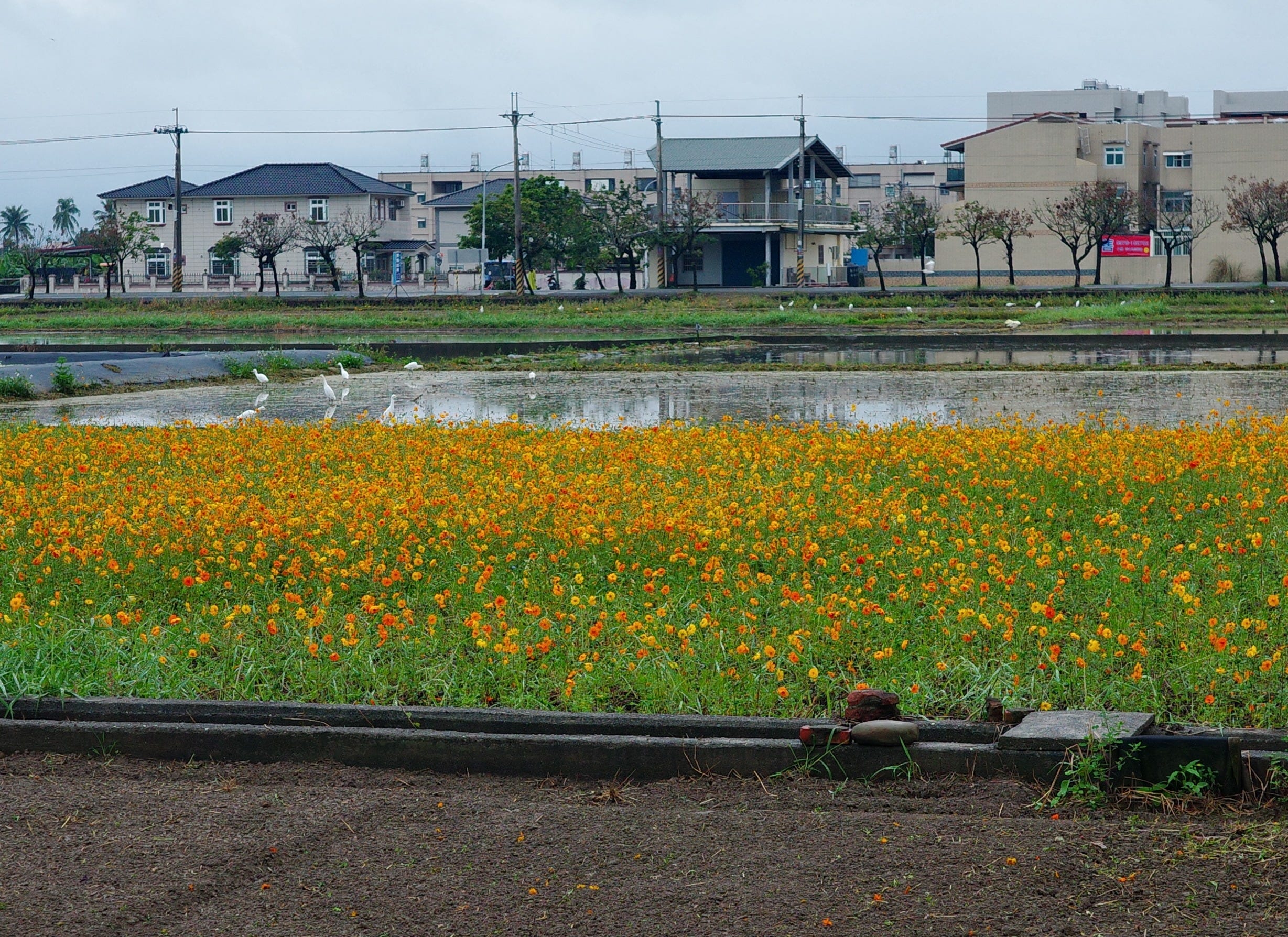
At the beginning of 2025, as a business owner with almost everything on the line, I was feeling anxious about succeeding, at least as defined in terms of the top and bottom line: how much we were selling, how much we were spending, and finding survival somewhere in the optimization between. I’ve always maintained the vision of Yun Hai as a conduit between Taiwanese producers and American consumers, with the mission to tell Taiwanese cultural stories, but my decisions felt increasingly driven by the expectation of throughput, output, and result.
In February, I failed to produce our annual zodiac lunar new year mascot-to-be, QQ Snake. What used to be a joyful marking of the season had turned into an expectation with numbers attached to it. Combined with pronounced burnout and the Sisyphean feeling of pushing ever upwards, I simply could not get around the creative block. I still carry it as a wound: a failure of my intentions and an abandonment of a ritual I used to love.
Trying to ground myself again, I revisited a newsletter I published at the end of 2023, a love letter to the distinctly non-Taiwanese gardening handbook The Know Maintenance Garden, by Roy Diblik. I shared this quote then, but it feels even more relevant now.
Diblik writes:
We must abandon the tradition that one method of gardening fits all plantings. We must be more creative with our thinking, our approach, and our participation. And we need to establish new gardening traditions, modeled after the knowledge, awareness, spirit, and joy we bring to each day. So, what should we do in the garden?
Stay involved! Be attentive!
Look to nature, both without and within.
Keep things simple
Dream ahead, and yet recognize the beauty of the present
Redefine the rules
Look for relationships—that’s what holds things together
Share and participate
And here, too:
Beauty is in everything, everywhere, and always re-created. Sunrises, rainy evenings, grandchildren, dogs, a nice dinner, a walk, family, friends. That’s how we live.
Art is a habit we should never break. Painting the house, taking pictures of our travels, cooking meals, choosing a new sofa—all tap the creative part of us.
Community awakens us to our place. It’s our culture, where and how we live and relate to all our neighbors and friends. It’s the wonderful diversity of our lives.
Ecology is being aware that we coexist, living lovingly with others. It’s where we are—the sky, this moment, every leaf you’ll ever see—and it’s also the places we cannot see: distant woods, snowy mountaintops, wide oceans, a village in Italy, a small park in Sweden.
Health is what keeps each of us living in the present and looking forward to tomorrow. We all try to make intelligent choices that will keep us well, physically and mentally.
In reviewing this, I noticed the author doesn’t mention anything about watering the garden, or any of the daily activities required to maintain it. That is a necessity, but not the driving force. What we should do in the garden is enjoy the garden. What we should do in life is be aware of our own ecologies, and sustain the places we live in as we live in them, exercising our creativity at every moment.
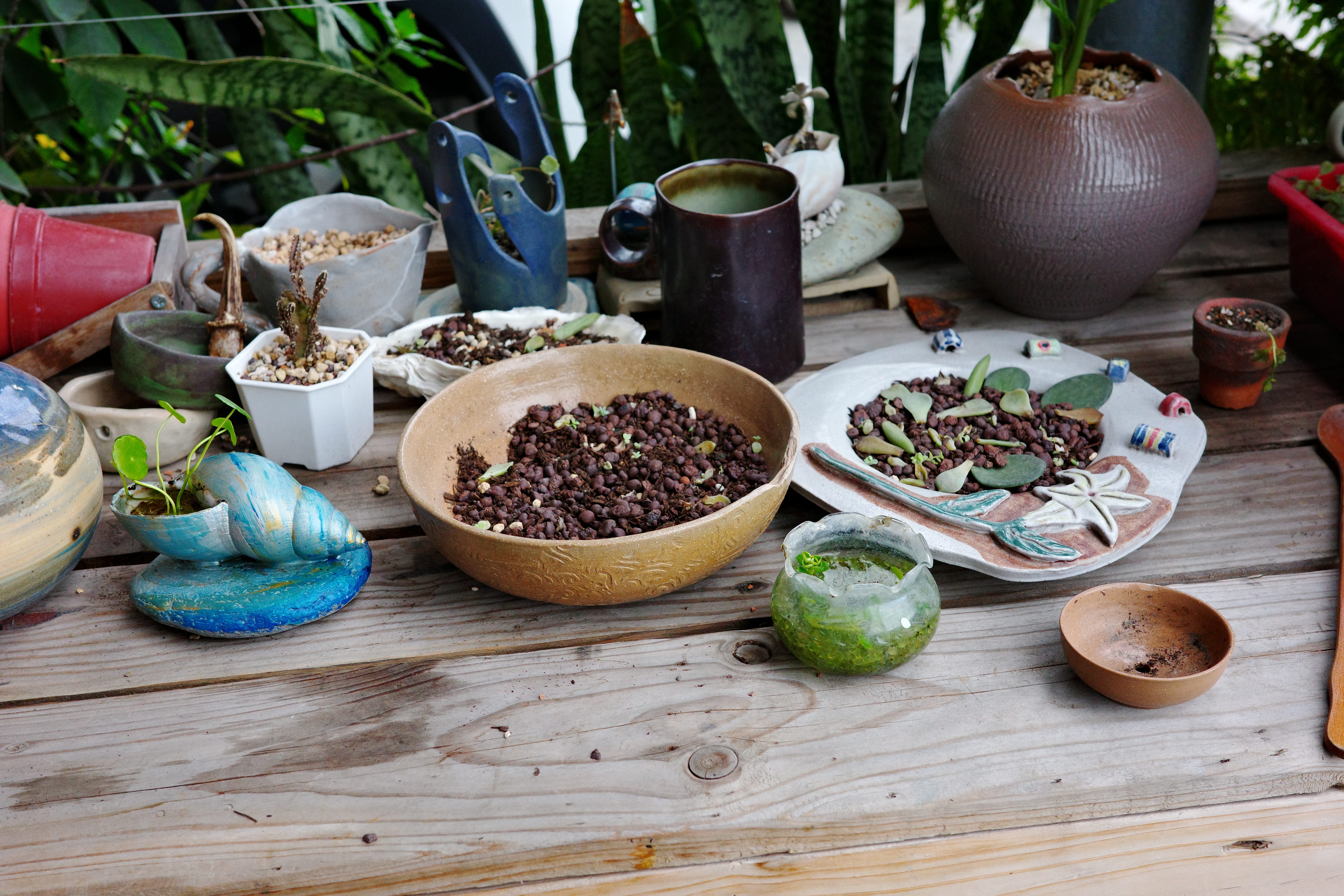
I realized I’d been approaching success the wrong way. Financial solvency isn’t a goal in itself, but a non-negotiable constraint. It’s the watering of the plants: you need to take care, but water alone doesn’t determine the constitution of the garden, or how it’s experienced.
What I ought to do with the business is enjoy it, and make it enjoyable. I decided that instead of letting the day-to-day stressors of financial solvency and performance guide my decisions, I’d prioritize three things—cultural joy, creative well-being, and sustaining our community—while balancing our constraints as a small but growing entity.
A Year in Letters
I let these principles guide my 2025, and I think we’re much better off for it, even as the world stormed around us. I responded to challenges by writing about them, which has been a wonderful outlet for working things out and processing ideas. Thank you, as always, for reading.
Below, I’ve picked twelve newsletters that capture the difficulties and successes of the year and embody our priorities. There are many more where these came from; find them all here.
In chronological order:
蛇麼都好: Happy Year of the Snake

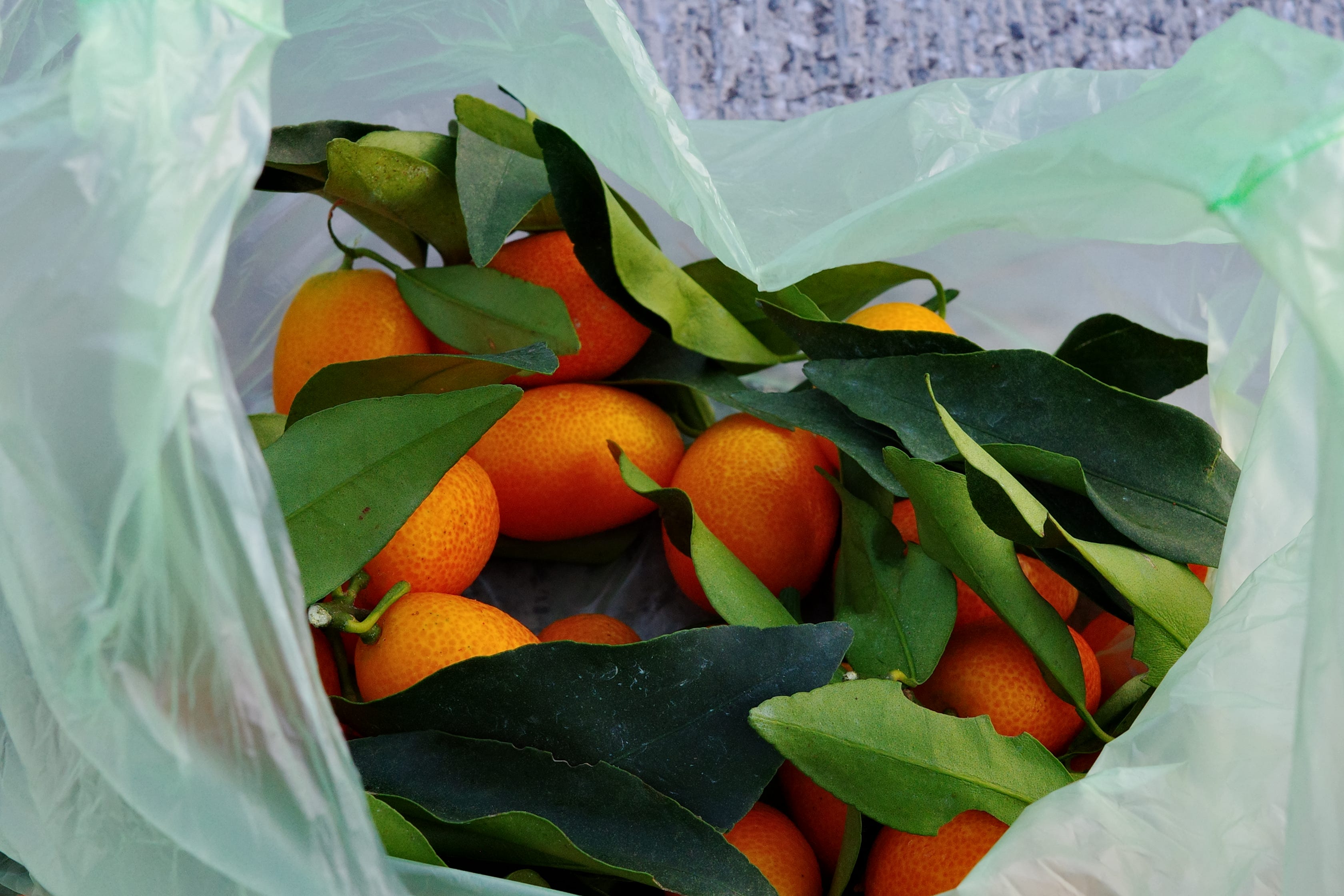
The one where I dropped the ball on QQ snake but launched some beautiful dried kumquats (coming again this lunar new year season).
Studio Notes 02: Shopkeep

Started the year with a lot of in-person research on the ways of Taiwanese gamadiam (general stores) and streetside shops. Ended the year with a store renovation, inspired by this.
稻之島: Island of Rice

Rice activists are playing a big role in preserving Taiwan's farmland and rural culture. Read about the farmers/writers/teachers who sustain "rice culture," and a special kind of rice cultivated only in Taiwan.
Studio Notes 03: Tariffs

I'll never forget the day Taiwan was named as a country on national television.

Studio Notes 05: Old Yellow Book

One of our biggest achievements this year was the design and production of an English-language lunisolar almanac. Read about its design and development here.

日曬: Consider the Sun

Celebrating the age-old tradition of preserving things with solar rays, anytime, anywhere.


How to Make Lu Rou Fan

This year, we shared five new episodes of Cooking with Steam. This episode might be my favorite, on account of a special cameo from the animal kingdom.
虎爺: Tiger God Merch

Ending the year with a beautiful, adorable, goofy new mascot: Hu Ye by Emilie Liu. Yun Hai is a place where this guardian spirit can frolic off-duty.
I don’t think we’ve ever worked more feverishly, more flexibly, or with higher stakes. We made it through, stronger than ever, and that can be attributed to the dedication of our team and your enthusiasm.
I cannot overstate the gratitude or the blessing. I’m so lucky to be here, doing this work, with our incredible team (Lillian Lin, Amalissa Uytingco, Jasmine Huang, Natya Regensburger, Jeremy Hersh, Grace Jung, Feng Hsieh, Ivan Wu, Pip Liu, Cat Yeh, and all our wonderful collaborators). Like a garden, this project, started almost 10 years ago, continues to provide and surprise. I couldn’t ask for more.
Happy New Year, and thank you!
QQ Snake and QQ horse coming soon,
Lisa Cheng Smith 鄭衍莉
If you enjoyed this newsletter, please share it with friends and subscribe if you haven’t already. I email once a month, sometimes more, sometimes less. For more Taiwanese food, head to yunhai.shop, follow us on instagram and twitter, or view the newsletter archives.
草長鶯飛: Gifts from the Garden

2023 love letter to Roy Diblik's garden handbook as a user's guide to life and work.
雲海迎新歲: Yun Hai Year in Review

The year of the Tatung and another observation about the metaphor of earth.
Wonderful, as ever. I have learned so much from all your newsletters, and I can safely say you have taught me more about Taiwan than my Taiwanese husband and his family have! 😄 Your newsletters are always a wealth of food ideas and food for thought, and are a rare welcome sight in my inbox. Looking forward to your musings in the new year!
How do I politely say the fukkin Chinese government needs to stay away from Taiwan? In other news, it has to be a better year. I'm saying this as a co-owner of New York City. And, of note, MSG can not replace (or even reduce) the amount of salt required to make a good fermented anything like pao cai, jang, suan cai, etc. You have to add it after the microbial choreography or you'll have more black swans than you want. Unless you're going full chemical from the start. Which would suck. So don't!