


Hi, it’s Lisa Cheng Smith, founder of Yun Hai. I write Taiwan Stories, a free newsletter about Taiwanese food and culture. If you aren’t yet a subscriber, sign up here.
This is Studio Notes, a paid series within that newsletter. It’s an informal exploration of the things on my desk—cultural references, first-hand research, and archival material—all in relation to how we tell stories, create spaces, and design products at Yun Hai. Your paid subscription supports the free newsletter and our cooking show, Cooking With Steam.
When I started Yun Hai in 2019, I opted out of producing short-form email marketing and decided to go all in on long-form storytelling. If I was going to put my effort into something, I wanted it to be able to stand on its own, with original and lasting value. Nothing throwaway.
That commitment has manifested as this newsletter, now in its fifth year. I hope the words posted here outlive me in their impact, no matter how small the ripple. Sharing cultural stories and culinary knowledge is paramount—our mission to stand for Taiwanese sovereignty comes first. Our products are a means to that end, and not the other way around.
This has led to constant tension between telling a story and selling a product. What’s editorial? Commercial? Can the two meet? How do we walk the line between culture and commerce, art and business?

In my intellectual life, everyday experience and the domestic arts are a core area of interest. It’s our most intimate space, built on our histories, our triumphs, and our tragedies. Within this sphere, I find there to be infinite space for improvisation and creation. And within that, infinite latitude for joy and subversion. The way we live is the sum product of everything we’ve ever done, as a species, as a culture, and as individuals. Call me romantic, call me a homebody.
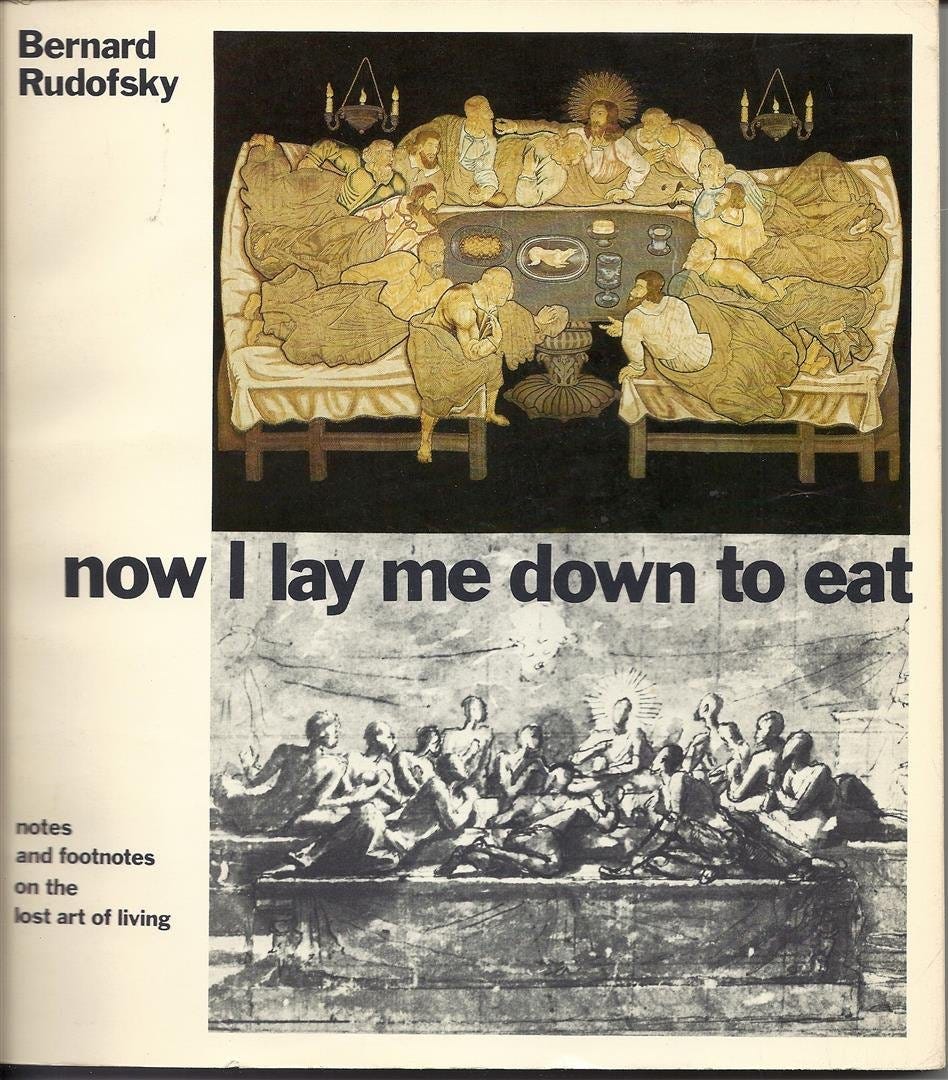
The production of food is included in this larger interest. Agriculture is culture, and it’s generative, too. In this context, agricultural products could be thought of as the punctuation of a massive human effort, generations long, instead of a commodity to be sold. Another meaning for the word product is the result of multiplication, as in a multiplication of effort, knowledge, and sensibility. The thing itself is just the tip of the iceberg, and the iceberg is human.
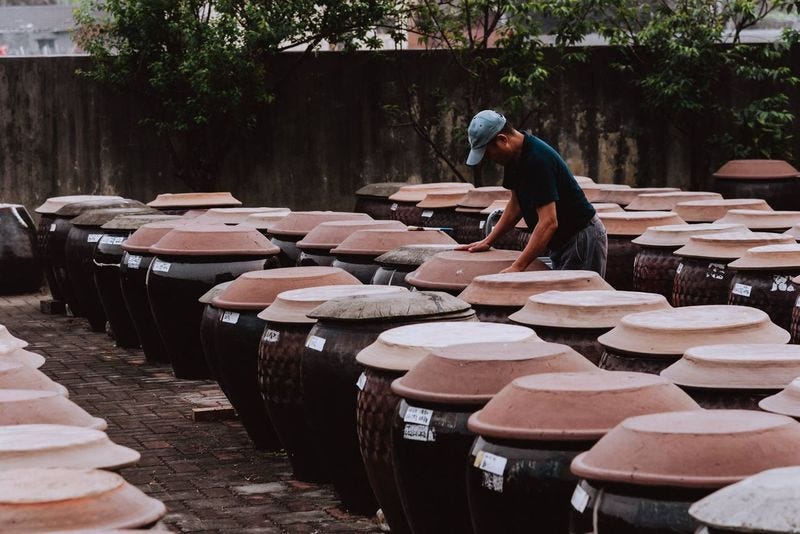
Unfortunately, the speed of production, frictionless commerce, big data, unethical labor practices, and all the trappings of late stage capitalism undermine this interpretation. It’s not escapable, we’re complicit by the nature of the society we live in, though we can fight to change it.
If exploitation is the starting point (whether resources, labor, consumer groups, regulations, or market gaps) and monetary gain is the end goal, the story falls apart. It’s no longer human but becomes anti-human.
Within this perspective, “SHOP NOW” is never enough for me. The products we select are the expression and manifestation of a long story. There’s so much friction in producing them, that I think there should be some in consuming them, too. We should work to understand, seek to know.
The big question for me is how do I, as a distributor, give people an opportunity to pause and and appreciate how lovely our world is and how much has gone into their daily experience?
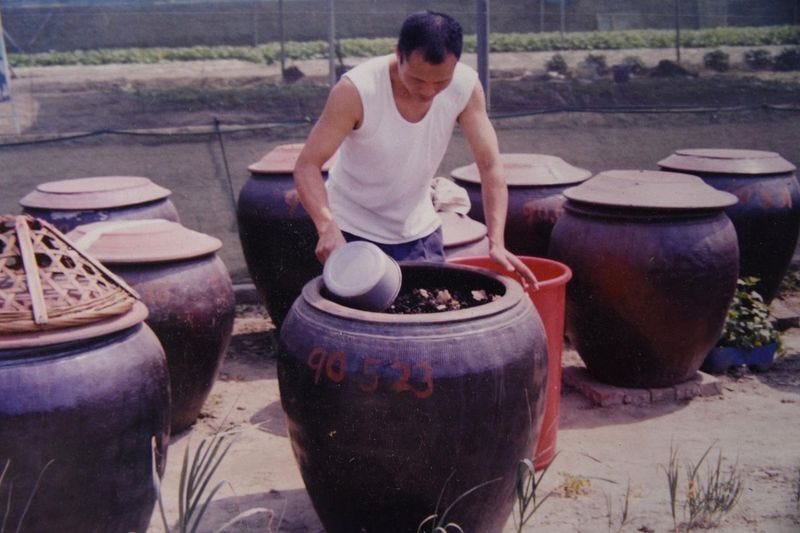
Time, Terroir, Taiwan
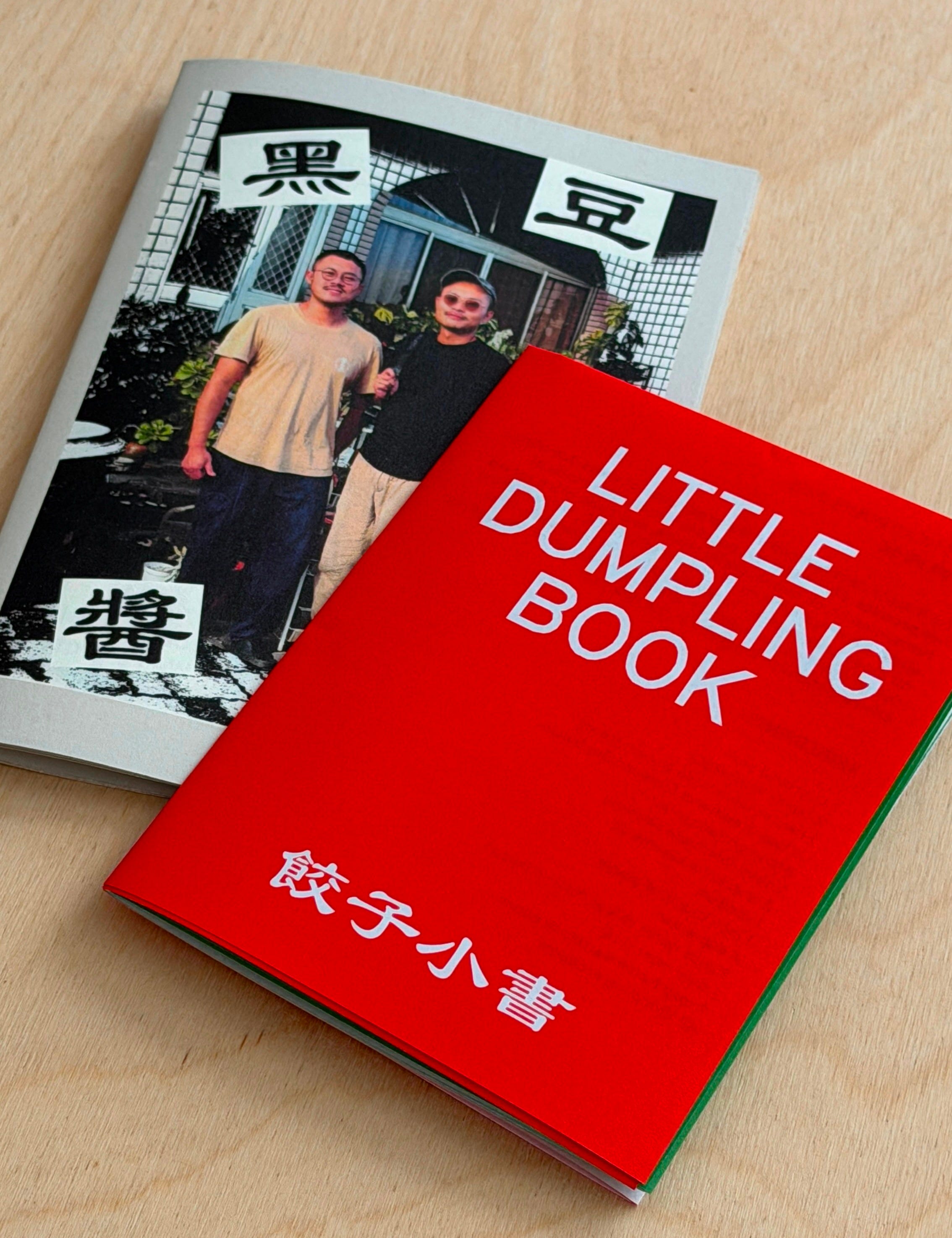
We had the idea to use the strength of what we’ve built over the past half decade to distribute small, free productions that share stories of the people that we work with. Between the shop, our wholesalers, and shipped orders, we could easily get a few thousand copies of printed matter out to our audience without additional logistics and for a low cost.
Little Dumpling Book kicked off our booklet series. Today, we continue it with Time, Terroir, Taiwan, a lovingly composed pamphlet that celebrates the soy sauce brewing process in Taiwan. It features our dear friends and third-generation soy sauce brewers, Yi-Cheng and Yi-Che Hsieh, and their family. This book captures only a fraction of what we’ve learned from them over the past seven years and is a follow-up to a documentary of the same name, produced by Yun Hai in collaboration with another dear friend Steve Chen, of Chen Office, in 2021. So many dear friends, I can’t stop loving them.
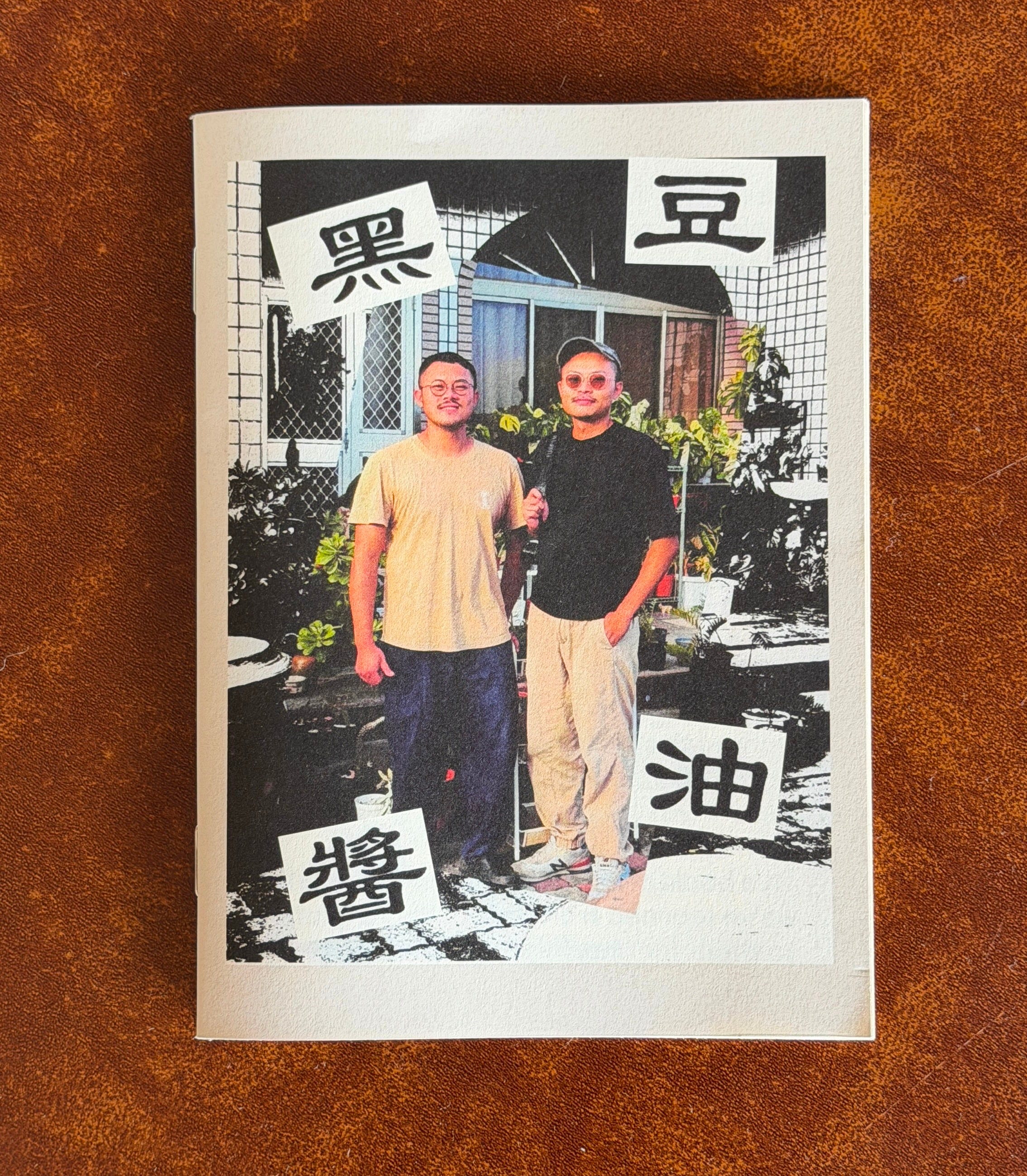
There’s some tension here. Because these pamphlets are, in the end, marketing materials, they can’t also truly be zines (in my opinion). But, we can take the ethos of the format (inexpensive, simple to put together, experimental, fun) and apply that to what we’d like to say.
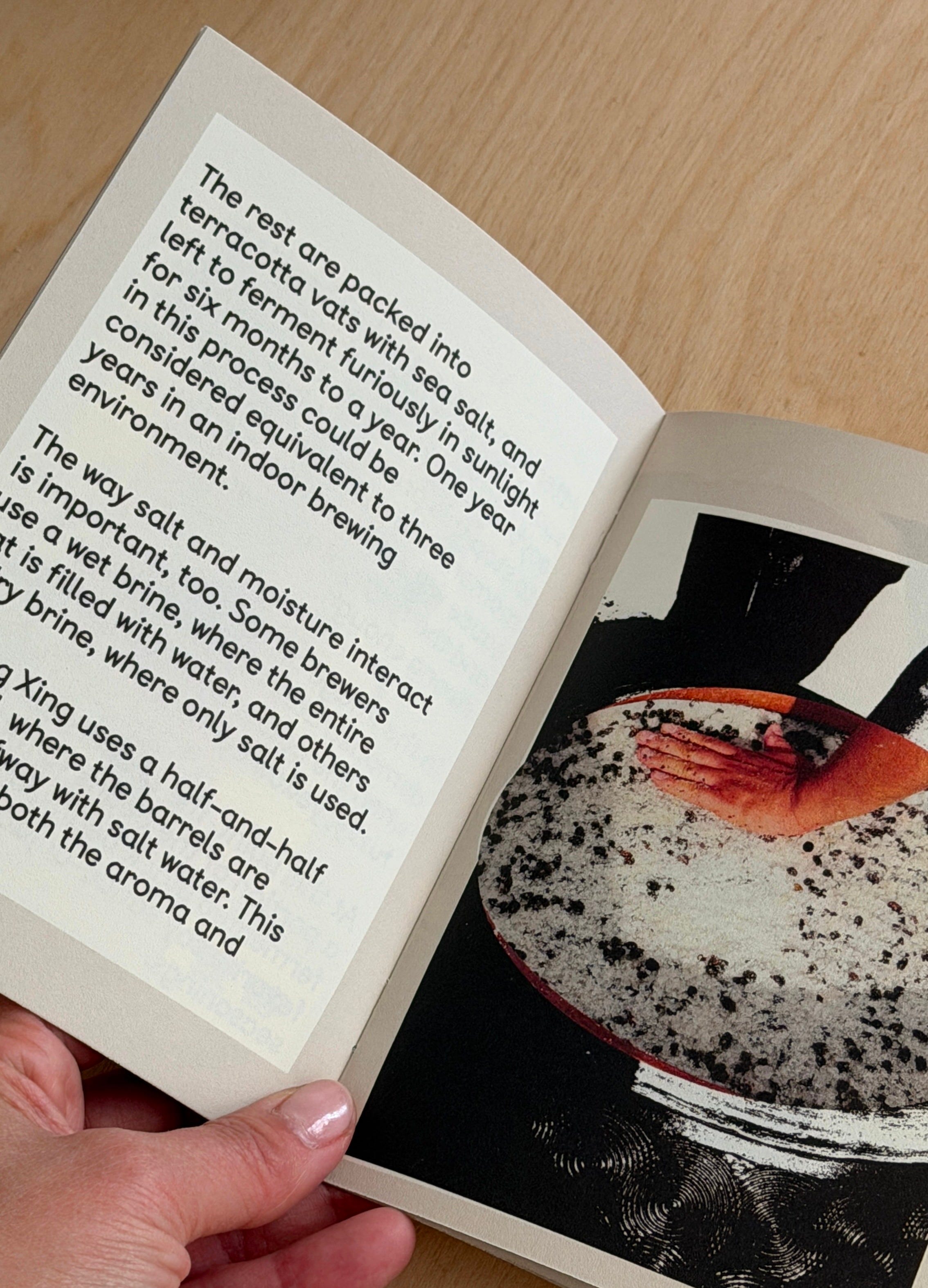
This pamphlet has no buy button, no tracking cookies, and exists to be read, enjoyed, saved, and shared. It does, however, have a QR code that links to the documentary, which is so worth a watch if you have 15 minutes or so:
Find these booklets for free in every order (while supplies last), and in our shop. If you’re a wholesale customer, we’ll happily send you a stack. And if none of the above will work, send a SASE (self addressed stamped envelope, remember those) big enough to fit a 5”x7” postcard to the shop and I will gladly return it to you, filled.
Design Notes
Designing this was no small matter. I’ve been working on this for almost a year, on-and-off. Some things go quickly and some things very slowly, and, for me, that’s just the nature of creation. Artists may tell me to trust-the-process; marketers may suggest time-is-of-the-essence. They’re both right, I guess.
In any case, the objective was simple: share Yu Ding Xing's story more widely.
We thought we might be able to put the newsprint we wrap glass bottles with in the store to this purpose. We print 5,000 sheets at a time with an Asian-American web-printer based in Long Island City. Because we’re already printing them, we could embed the story of Yu Ding Xing into the sheet, and spread the word without spending any extra money.
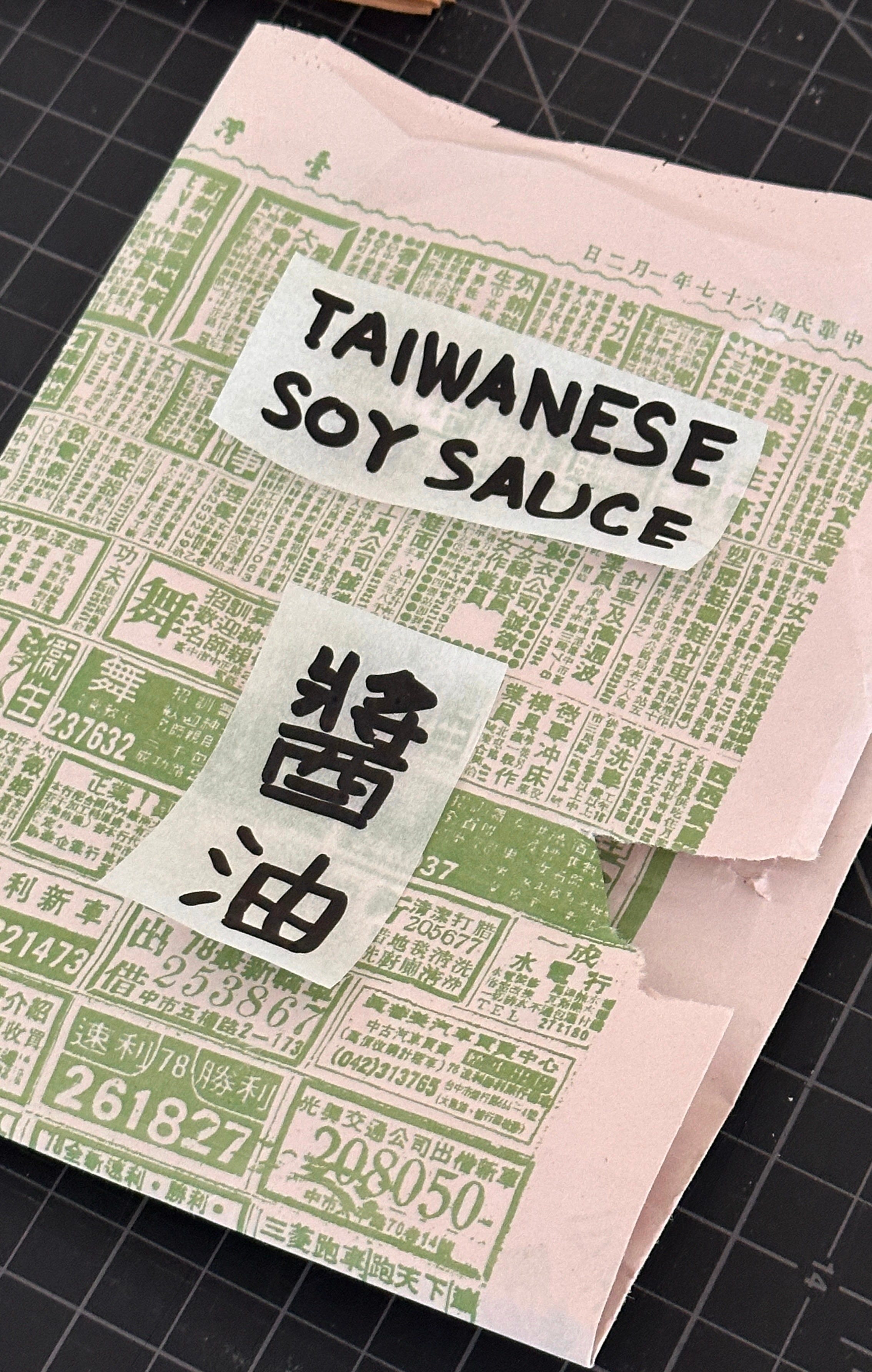
In this decadent (in the original sense of the word) age of AI, I thought I should get back to something physical. I started by hand drawing titles and printing out photos to place onto scrap pieces of newsprint and similarly sized kraft paper. The plan was to then scan these compositions to create a special edition newspaper.
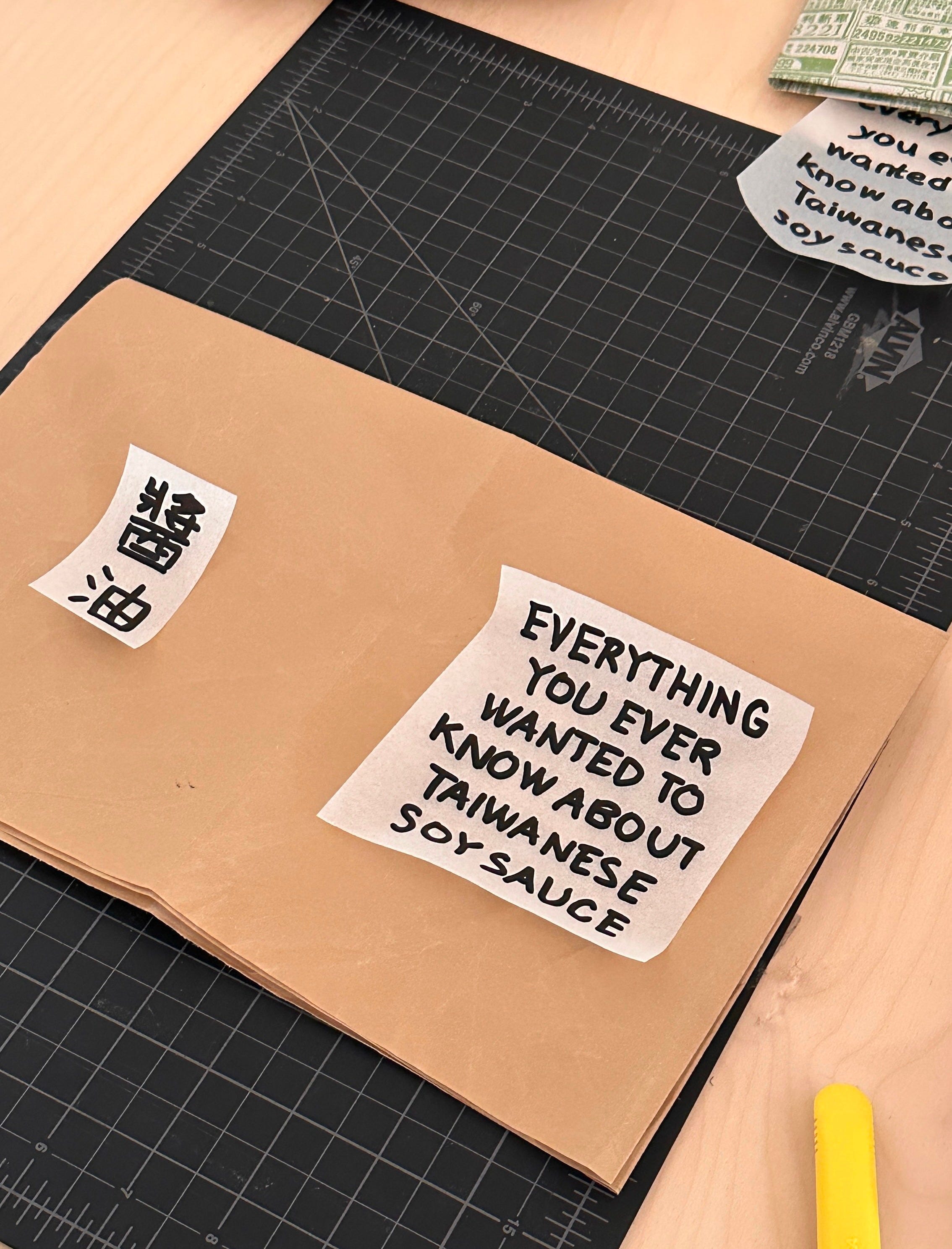
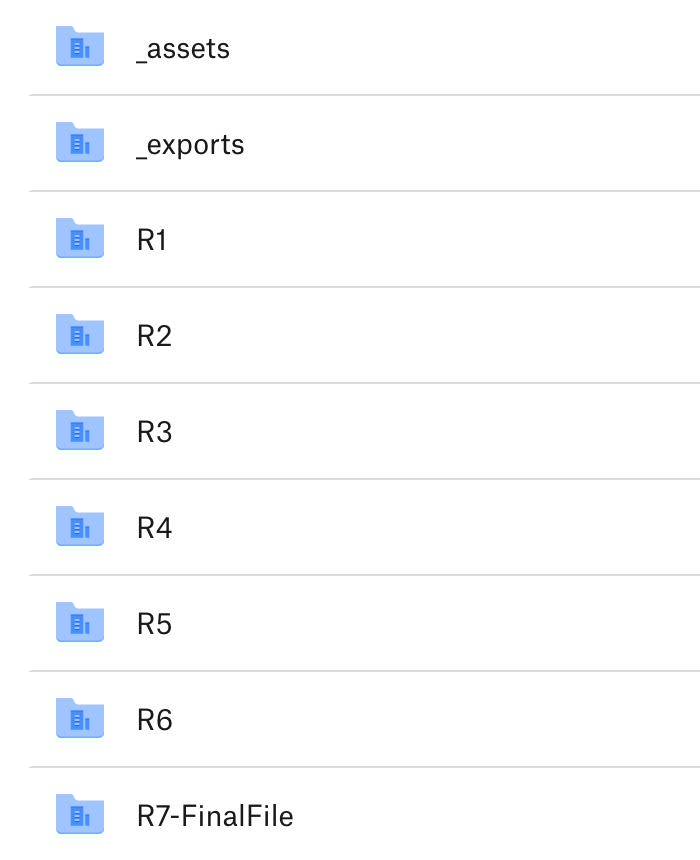
The design was more challenging than expected. It’s somewhat clear how one might make a sell sheet with product descriptions, bullet-pointed material, and a clear offer. It’s much more difficult to place text and image together on paper in way that’s a delight to handle, read, and remember. It changed at least seven times, evidence below:
More after the jump on how we arrived at the final design.