


This is Yun Hai Taiwan Stories, a newsletter about Taiwanese food and culture by Lisa Cheng Smith 鄭衍莉, founder of Yun Hai. If you aren’t yet a subscriber, sign up here.
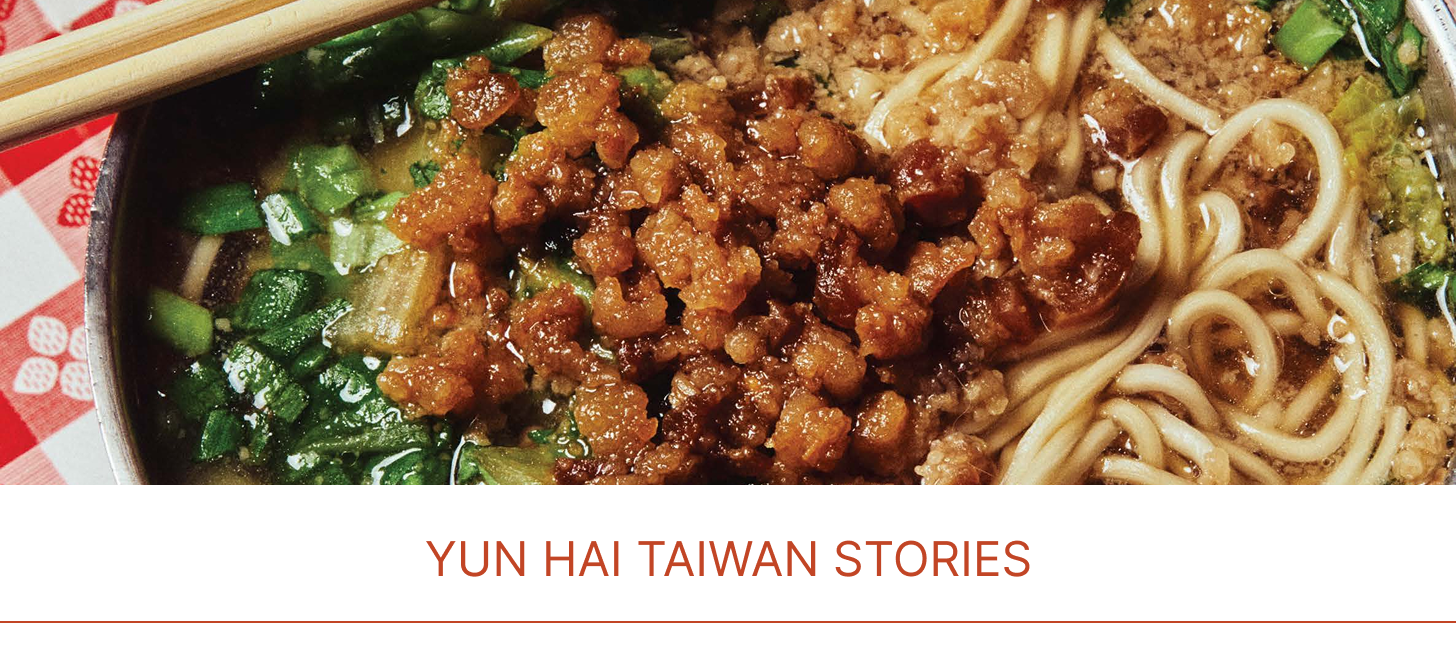
This week I have the pleasure of introducing the most exciting thing in Taiwanese-American food since dried cabbage (serious): Eric Sze’s forthcoming cookbook, Taiwanese?, written with Elyse Inamine and photographed by Alex Lau. We’re so excited about the book, we’re making signed copies available for preorder, along with a bundle of Eric’s favorite Yun Hai products. Books will ship starting October 20th, the official publication date.
Please also stay tuned for an invitation to a cookbook talk with Eric Sze in our Long Island City studio (read: office).
This morning, I joined our friends Michelle Kuo and Albert Wu, of A Broad and Ample Road, for a live conversation about Yun Hai, Taiwanese cuisine, and Taiwanese identity. In my opinion, their newsletter is required reading for anyone interested in the daily life, culture, and politics of Taiwan. They are rooted in Taipei, and write for a global audience across subjects like religion, law, advocacy, and literature. Their review of Taiwan Travelogue was one of the first I read, back when it was longlisted for the International Booker Prize.
I’m honored to have joined them for a fun conversation between friends. If you were able to make it, thank you for joining! In case you missed it, here’s the video:
One of the topics of conversation: how I would describe Taiwanese food to someone new to the cuisine?
This remains one of the most challenging questions I’m ever asked (and believe me, I’ve been asked a lot of hard questions, see: Taiwanese Geopolitical Situation). I pontificated that maybe it shouldn’t be an easy one to answer, because Taiwanese cuisine has been shaped in so many ways: from post-war US aid and the 1949 Chinese migration, to fifty years of Japanese colonial rule, to centuries of Hoklo and Hakka settlers, all the way back to the Austronesian peoples who were there first. And contemporary Taiwanese food culture continues to evolve.
Part of my long, evasive, but also completely committed answer:
“The way that I like to talk about Taiwanese food is that it is kind of a melting pot of its own. Taiwan is a place of this world, and so much of the world has landed and drifted through Taiwan. I feel that the food is also quite inventive. It’s still emergent.”
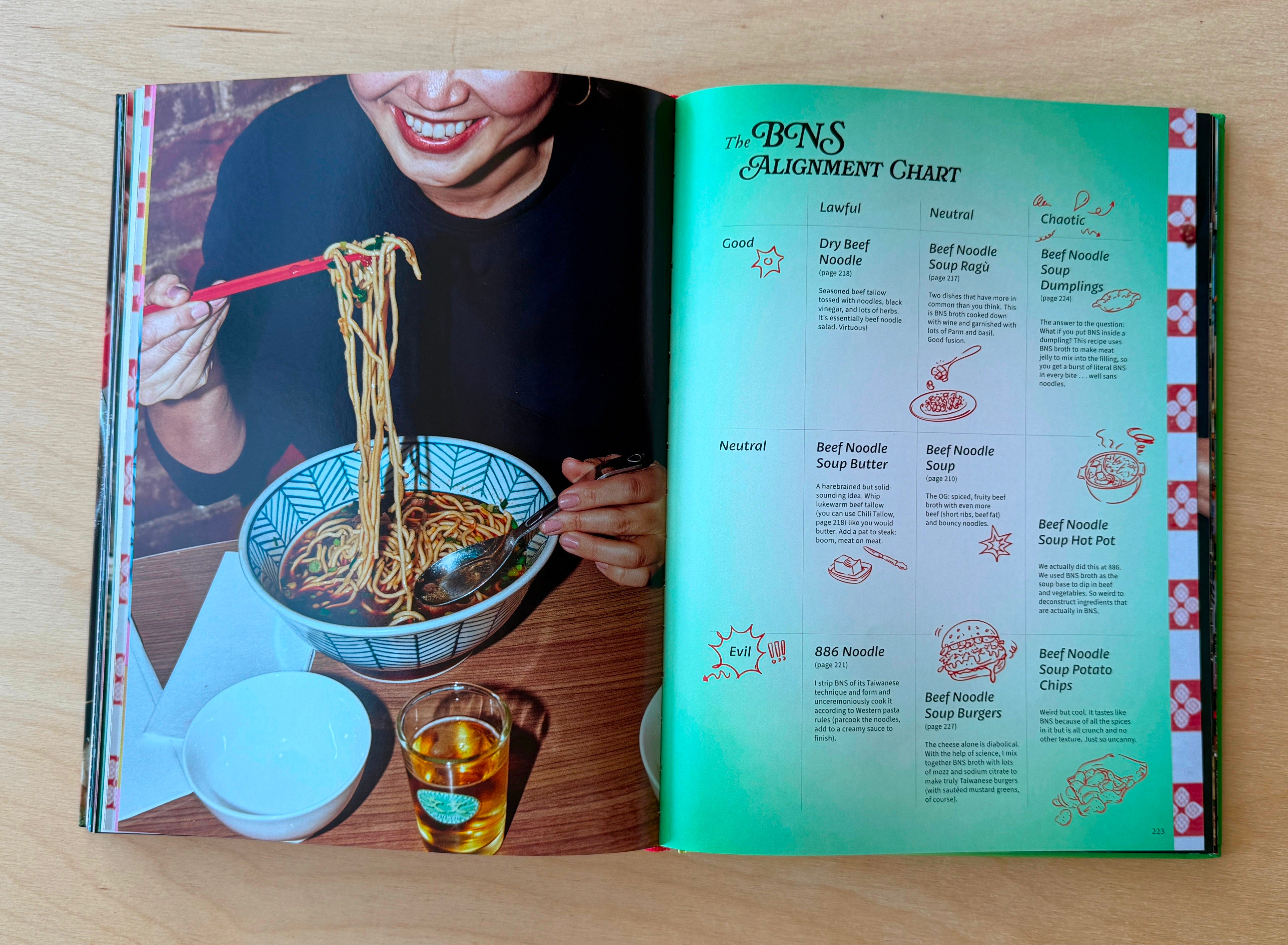
To elaborate, I reached for the thing that grounds me in the cuisine: agriculture. Taiwanese food is profoundly shaped by what’s grown there (though of course not only, see: Beef Noodle Soup). To think through Taiwanese food, you have to think through Taiwanese agriculture and all the forces that have influenced it, from traditional techniques to imported foods.
Rice may hold part of the key. Penglai rice (蓬萊米), grown widely across Taiwan as a daily staple, is a short-grain japonica variety that can thrive in a subtropical and tropical climate. It was developed during the Japanese colonial era by agronomists who wanted to grow their preferred style of short-grain rice in Taiwan, and who bred new varieties that could withstand the heat.
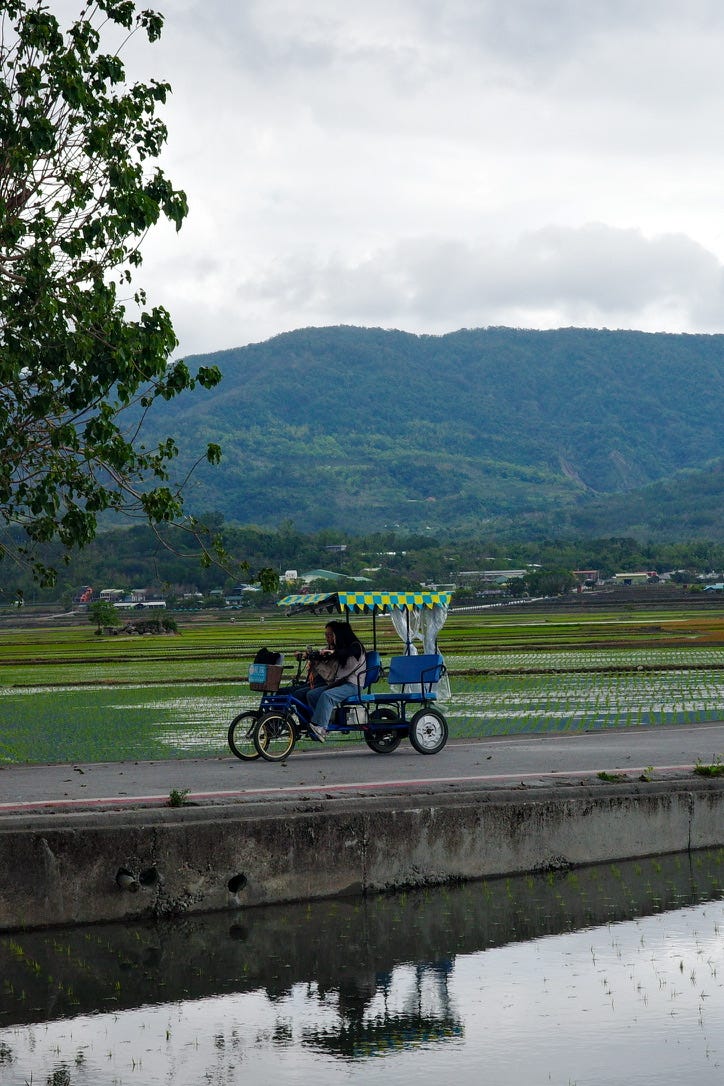
Before that, Taiwan largely ate zailai mi (在來米), a long-grain rice brought over by settlers from China, closer to the long-grain rice of Fujian and southern China. The shift to a stickier, chewier short-grain rice as the everyday staple was a wholesale change in rice preferences across Taiwan’s fields and kitchens. This was a big deal, and short-grain rice grown in the tropics is something distinctly Taiwanese.
Michelle pointed out that rice comes up in another context, too. In contemporary analysis of Taiwan’s ability to withstand a blockade or invasion from China, food resiliency is a metric. How much rice can Taiwan grow to feed itself? What we eat and where it comes from has always been political and a source of power or liability.
Taiwanese? by Eric Sze
This discussion with Albert and Michelle was timely, because today I’m writing to introduce you to a forthcoming cookbook by Eric Sze, a friend of the shop and the chef-owner of Wenwen and 886 (now closed, we miss it).
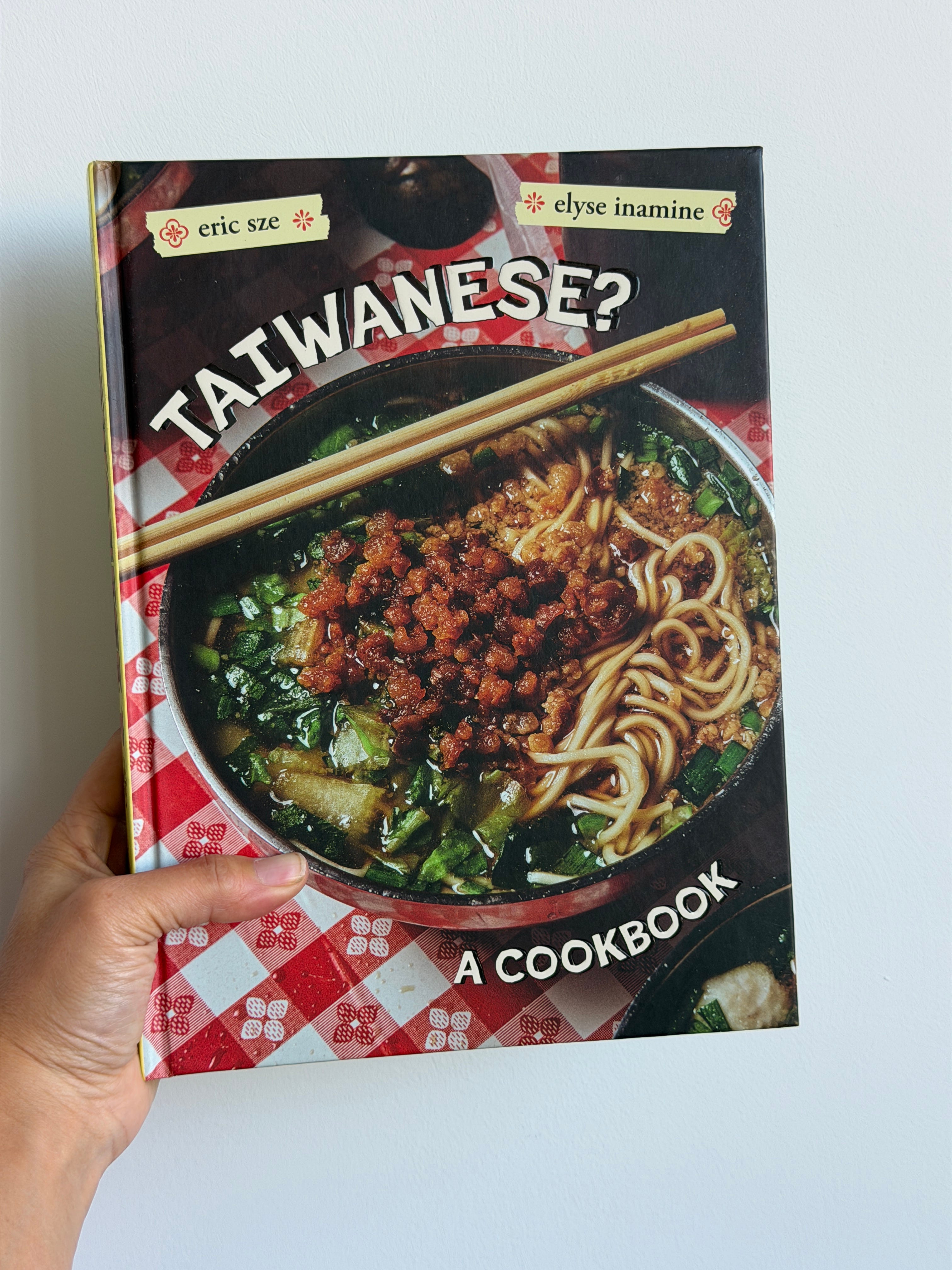
The entire book is an exploration of this question, and is aptly named Taiwanese?, taking the stance that the answer to “what is Taiwanese food” may be to question your assumptions and not worry too much about definitions.
From the intro:
Taiwanese? is about the Taiwan I know. The dishes I grew up eating in Taipei that show an inadvertent fusion of food, from the gloopy, bonito-infused oh ah mee swa my uncle loved to the Burmese touch of shrimp paste in stir-fried water spinach. The dishes I researched and re-created in my new home of New York City that set the fundamentals so I could play around—intentional fusion—and allowed me to break down Taiwanese food and find new overlaps with other cuisines and techniques…
Taiwan epitomizes fusion, with the influx of everyone from Japanese colonists to Fujian immigrants, who have all contributed to the food culture, and I’m leaning into that with Taiwanese?
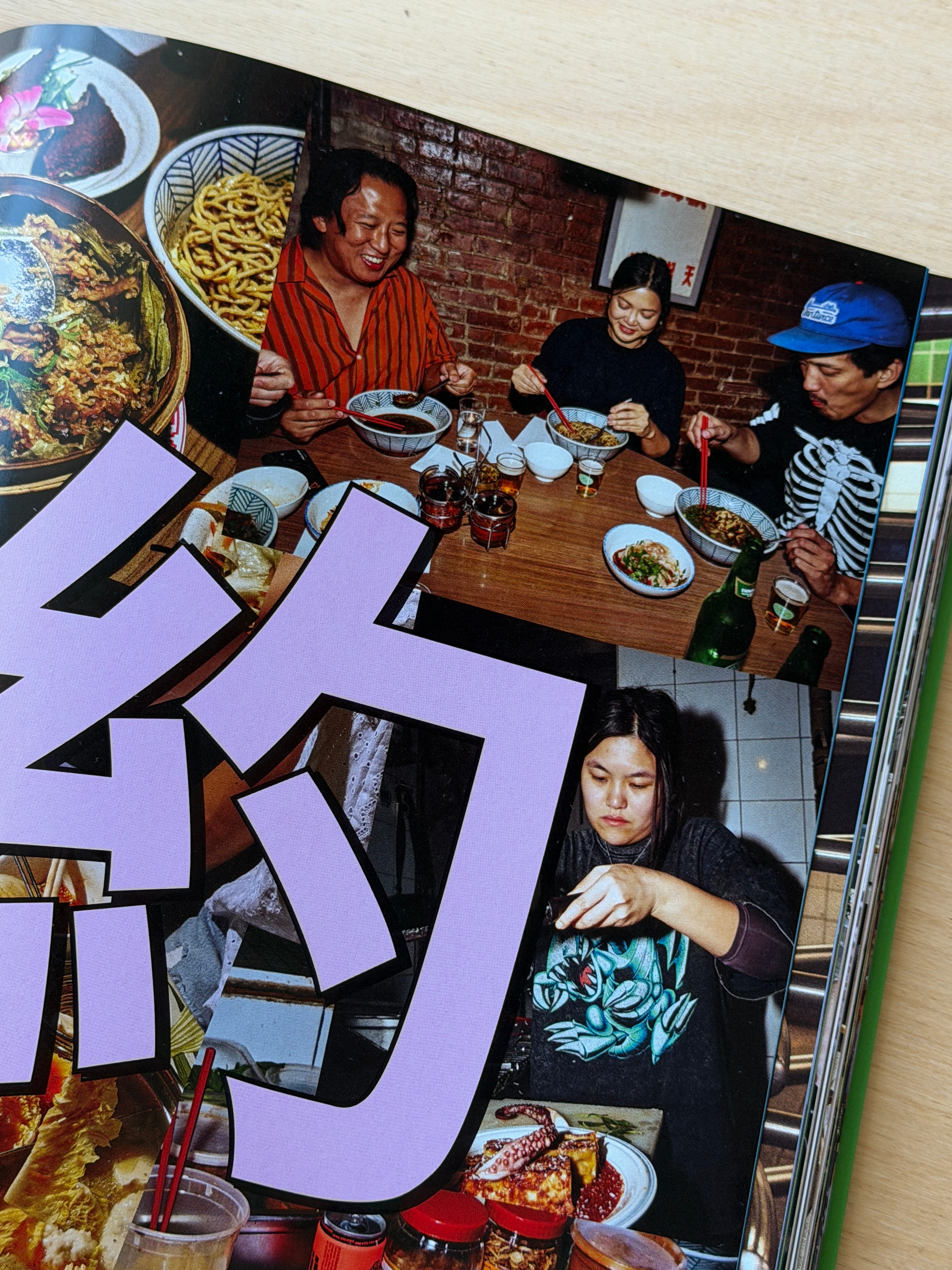
I got my advance copy last week, and I think this book goes even further than Eric’s introduction suggests. It does not apologize for breaking the rules, and it also suggests that breaking the rules is a major part of the Taiwanese culinary ethos. This may not happen at every food stand every day, but it does show up in the history of the cuisine, over and over again, as different traditions and ingredients have found a home in the Taiwanese palate (rainbow sprinkle mayonnaise bamboo shoot salad anyone?).
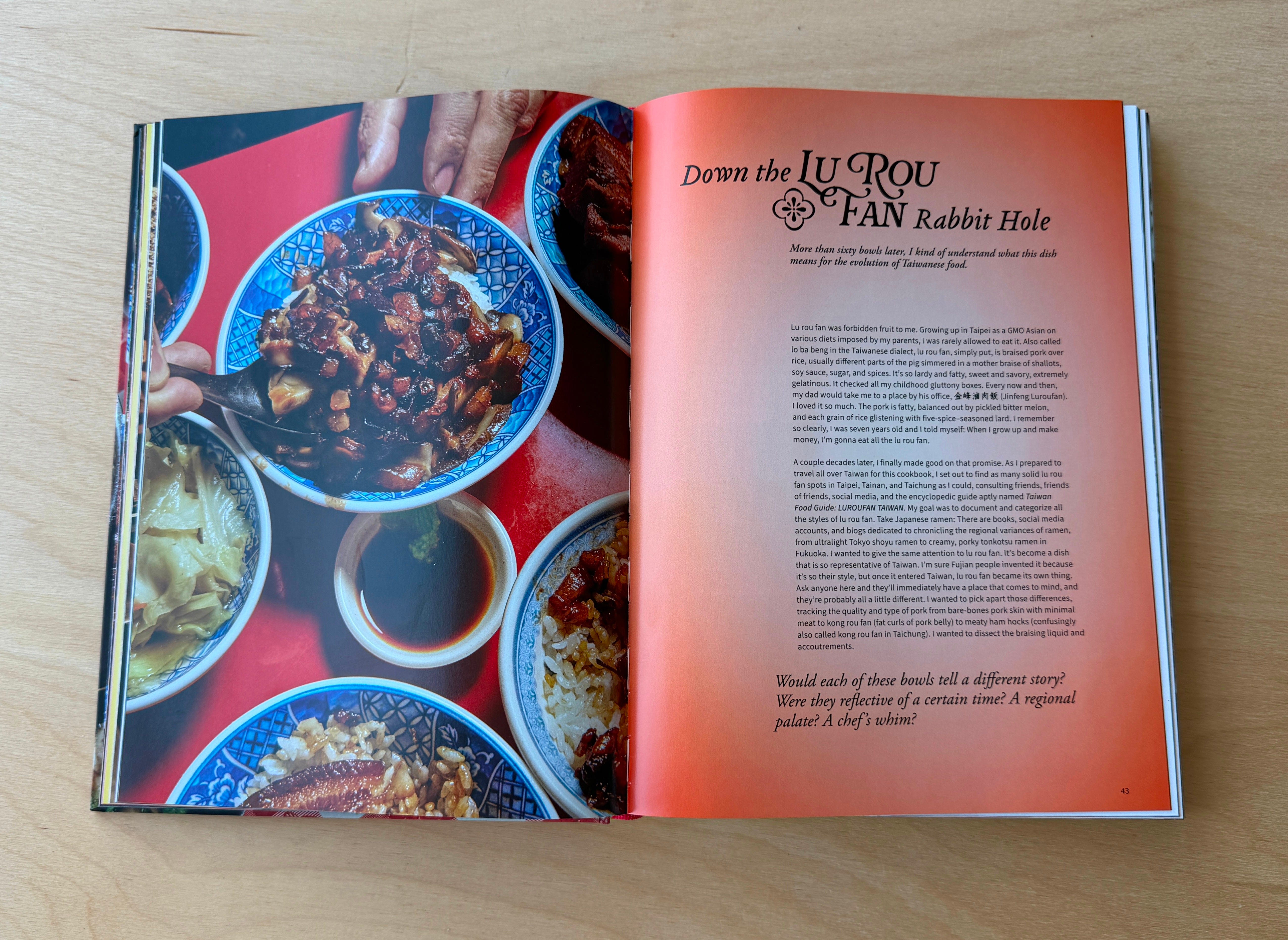
There’s a whole section about Eric’s attempt to codify lu rou fan (braised pork rice) by touring as many eateries as he could, only to conclude that “it was futile to define and label lu rou fan.” The chefs were just too inventive. This national dish of Taiwan is also a national playground, and Eric suggests that eventually someone will “braise it with carrot juice.” Its evolution is its legitimization.
Eric’s book is an homage to all the rule breakers that came before him. What would Taiwanese food be without them?
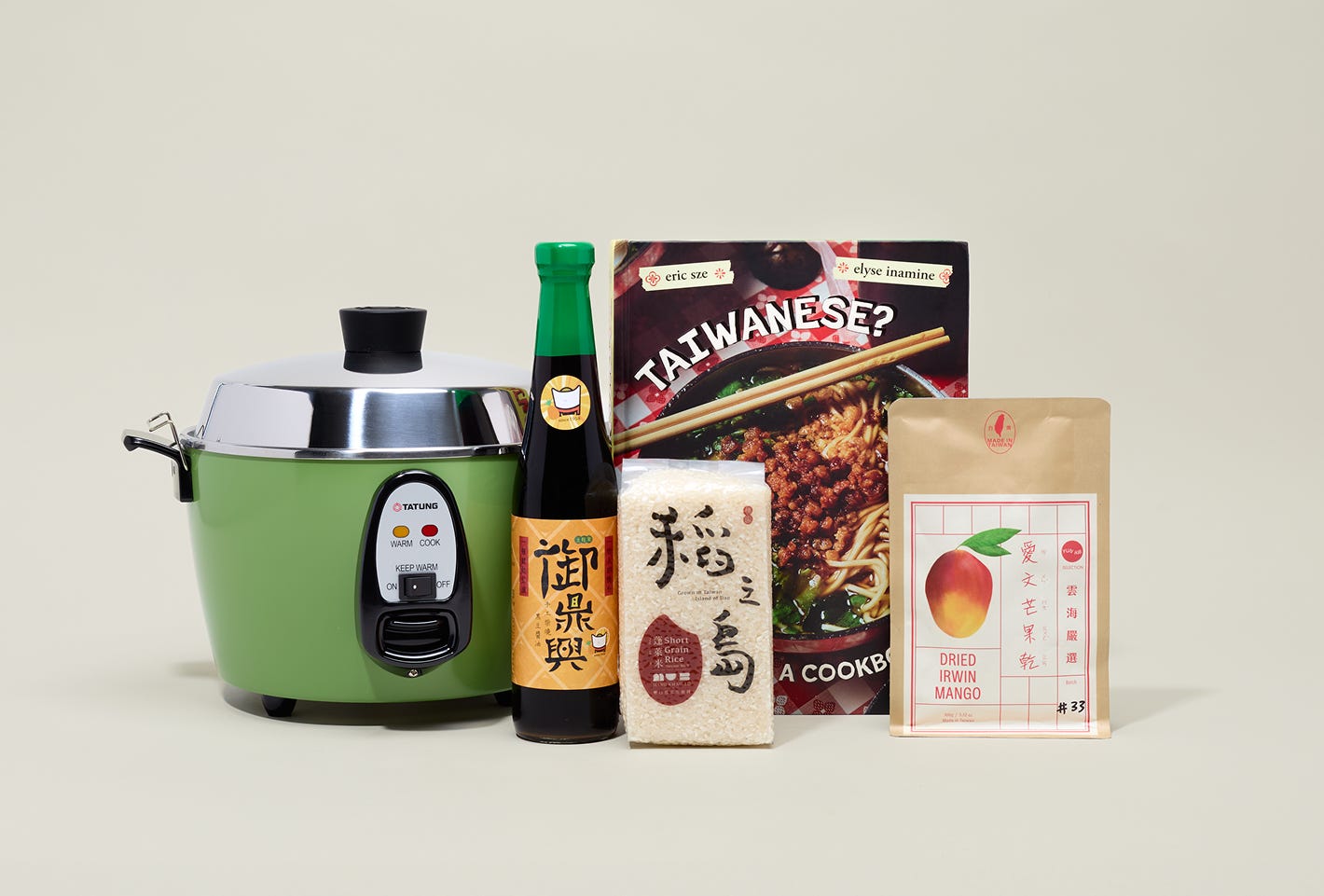
I’m super excited to be partnering with Eric and his publisher, Hardie Grant, to offer signed copies of the book to our customers, bundled with Yun Hai products (selected by Eric) that speak to different parts of our (evolving) Taiwanese identity: dried Irwin Mango (because fruit), the Tatung (because steam), the penglai rice mentioned above, and a very special Taiwanese Pineapple Soy Sauce that represents the way Taiwanese food evolves with each generation (which also happens to be one of the brews he uses for his annual oh ah mee swa party).
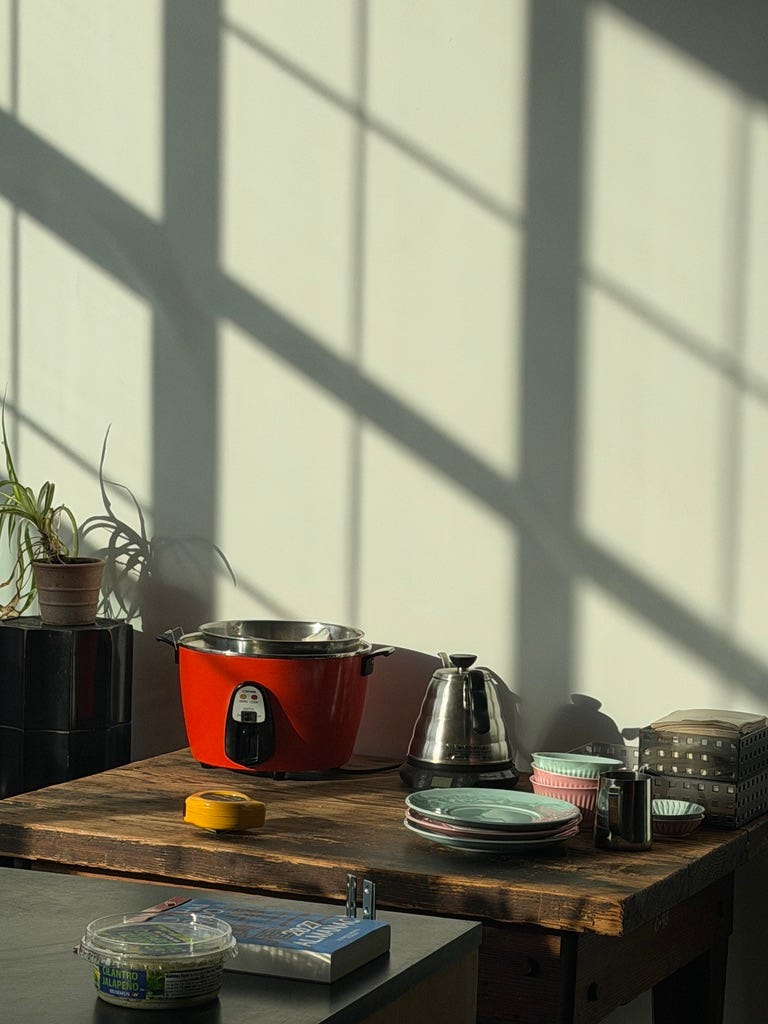
And please save the date for a cookbook talk in our brand-new-and-still-being-built-out studio (I’m painting one wall myself tonight, breaking news, team). We’ll release tickets soon. October 25th, Long Island City!
Before I Go…
Don’t miss our Sleepy Tofu Mattress Giveaway, in which I star in an advertisement for my favorite Taiwanese mattress brand, and you comment and tag a friend for a chance to win the best darn portable futon you’ll ever sleep on.
Live from New York,
Lisa Cheng Smith 鄭衍莉
Written with editorial support by Amalissa Uytingco, Jasmine Huang, Lillian Lin, and Natya Regensburger. If you enjoyed this newsletter, please share it with friends and subscribe if you haven’t already. I email once a month, sometimes more, sometimes less. For more Taiwanese food, head to yunhai.shop, follow us on instagram and twitter, or view the newsletter archives.

