


This is Yun Hai Taiwan Stories, a newsletter about Taiwanese food and culture by Lisa Cheng Smith 鄭衍莉, founder of Yun Hai. If you aren’t yet a subscriber, sign up here.
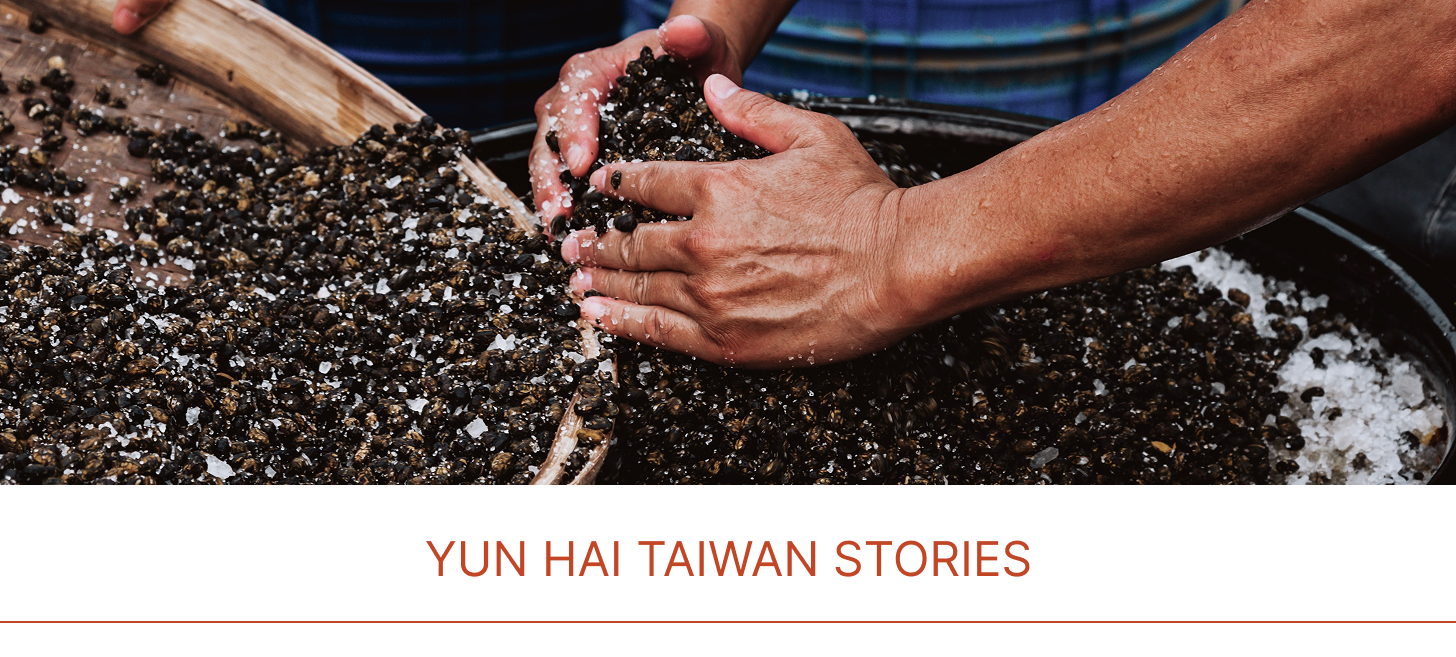
This week, I have the pleasure of reintroducing one of our longest-stocked products: Fermented Black Beans! This shit is ancient! It’s been around since the 2nd century BCE and has been flavoring our food and probioticking our guts ever since.
We’ve sold it for seven years (that means I’m old now), and I have never once written a newsletter about it. We’ve just relaunched it in new packaging inspired by Taiwanese herbal and medicine shops, with updated recipes to match.
New and improved and as old as ever.
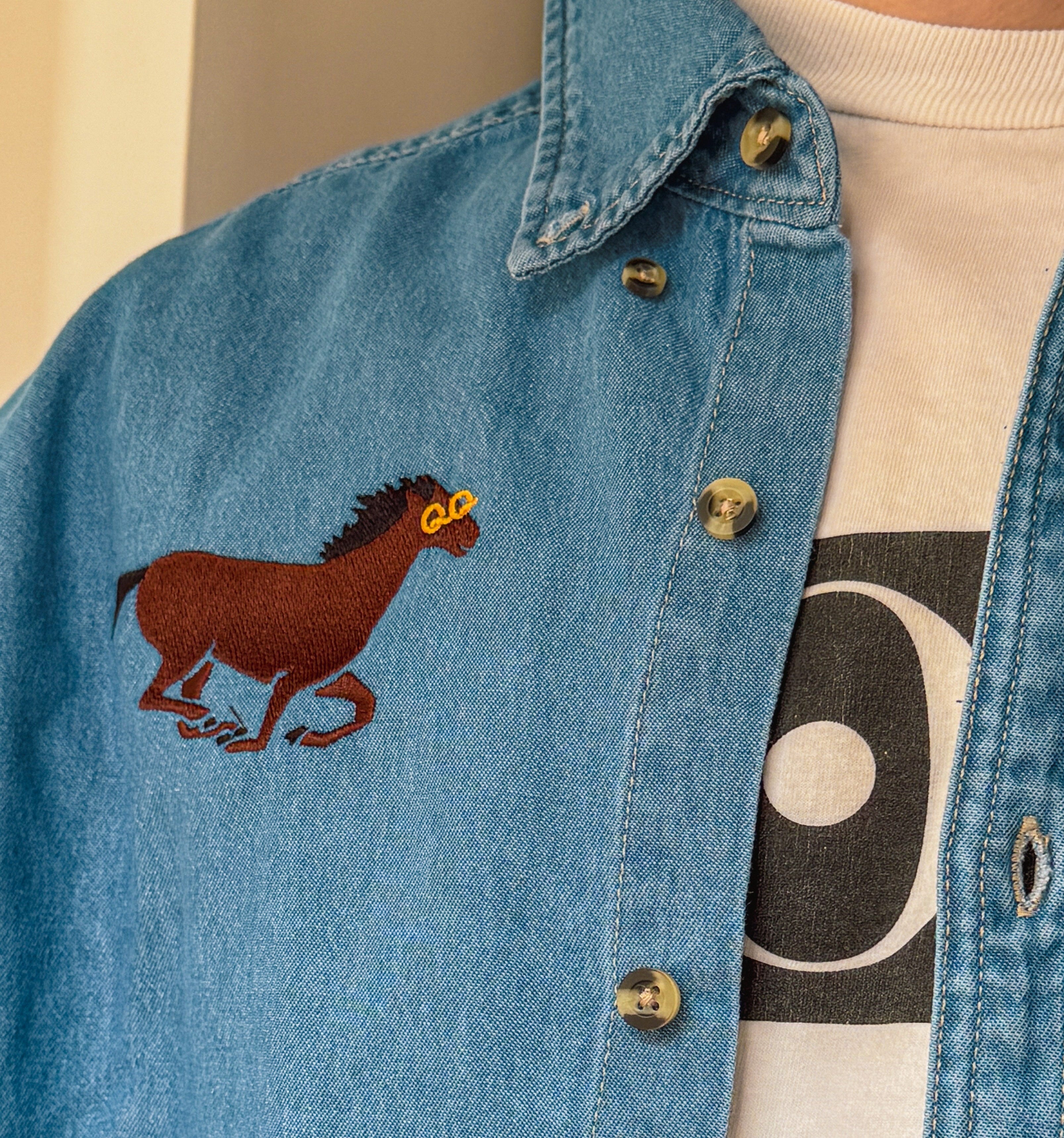
Finally, you may remember that last time, I told you about QQ Horse and QQ Snake. Well, the zodiac workwear has landed. Preorders have shipped and they are all available to order. Please join me in the cult of the little jumping horsey, thank you.
*And a small aside: in this newsletter, and always and forevermore, when Yun Hai says “black bean” we mean “black soybeans,” which are classified as a superfood because of the anthocyanin in their pigment. They are distinct from the more commonly encountered yellow soybean. Fun fact: the ones our soy sauce brewers use often have green kernels, which are very special and nutrient-dense indeed.
We are a bean people.
My mother spake it thus, pointing to her nose and referring to the Taiwanese spread in front of us. An instant hit in our family home, this idiom has remained an inside joke of choice since its emergence thirty-some-odd years ago. As kids in Texas, beans to us meant the cowboy variety, and the dishes on the table had nary a pinto in sight. Actually, no visible beans at all.
But (and this is not the first time I have surfaced this in the newsletter), Mom was right. She was talking about the soy sauce, the bean paste, the tofu, the sprouts, the mung beans, the adzuki, and, of course, the DOUCHI!
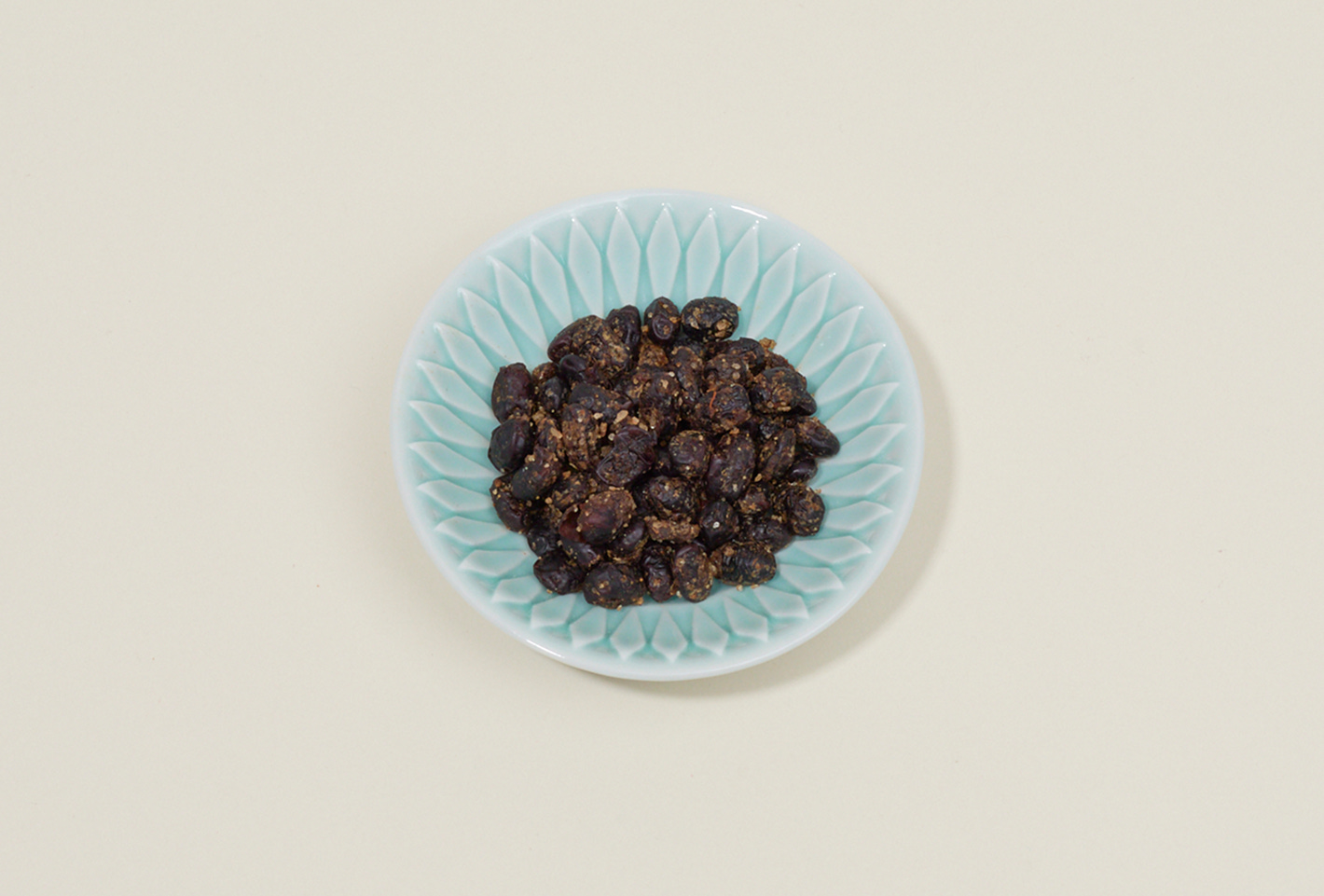
Douchi 豆豉, or fermented black beans, is the original fermented soy food, existing since at least 200 BCE. It is the king koji kernel, the natal nugget, the soy singularity, the origin of soy sauce.
According to Soy Info Center (a wow very thoroughly annotated compilation of thousands of soy-referencing historical documents), the oldest known douchi were discovered in 165 BCE, enshrined:
Fermented black soybeans are found clearly marked in Han Tomb No. 1 at Mawangdui near today’s Changsha, Hunan province, in south-central China. The tomb was sealed in about 165 B.C. and was first opened in 1972.
This is corroborated in a short paper by Chen Jianming of the Hunan Provincial Museum in Changsha, China, entitled On Chinese Delicacies 2,100 years ago: a Case Study of the Mawangdui Han Tombs in Changsha.
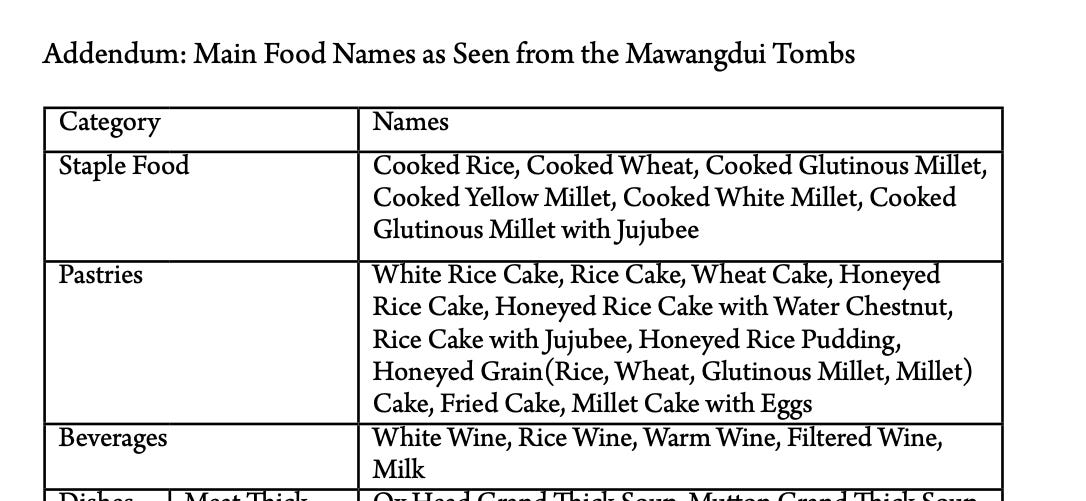
This charming paper almost reads like a menu. The author illuminates the foodstuffs found in the tomb, which were listed on an official inventory written on wooden tablets attached to bamboo cases (bills of lading also date back to 200 BCE, btw). Death’s larder included “such spices as sauce, meat sauce, fish sauce, fermented soybeans, salt, sugar, honey, sweet wine, ginger, mustard, and bitter leaves.”
This discovery confirmed douchi as the oldest known fermented soy food in the world. Fermented black beans are the progenitors of soy sauce, which was first known as chizhi 豉汁 (or fermented black bean juice). According to Soy Info Center, this was “a kind of soy sauce with no wheat, resembling Japanese tamari,” mentioned as early as 150 CE in The Shiming by Liu Xi, one of the earliest etymological dictionaries published in China. Sounds a lot like the Taiwanese soy sauce we distribute, also made with black soybeans and no wheat.
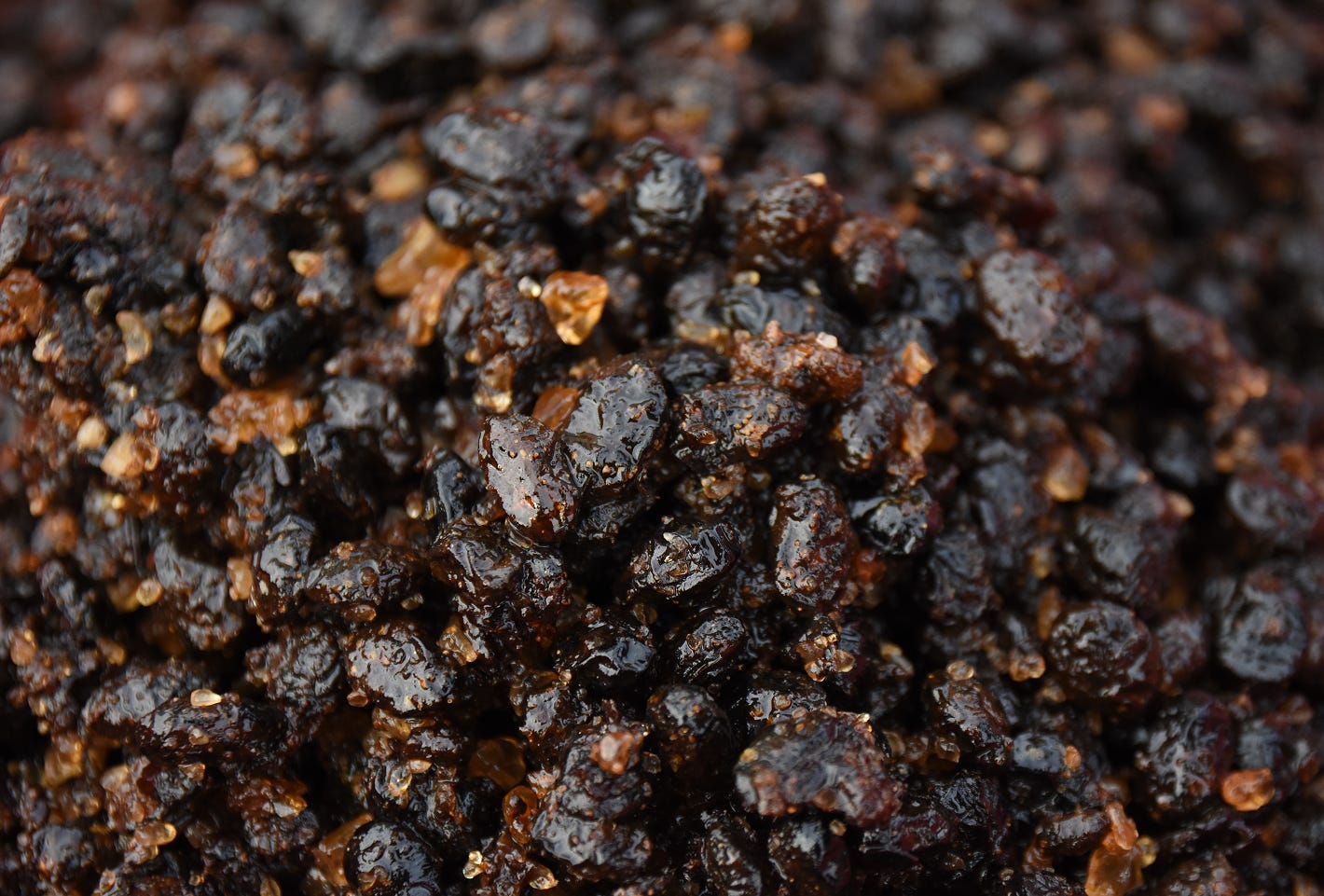
Douchi are still in wide use today. Though the specifics of production may vary, all are made by inoculating soybeans with koji (Aspergillus oryzae) or other compatriots in the mold world, salting them, and letting them ferment. Our friend Ken Fornataro recently did a deep dive on making a version of these at home in Cultures Group, his lo-technology hi-technicality newsletter on fermentation.
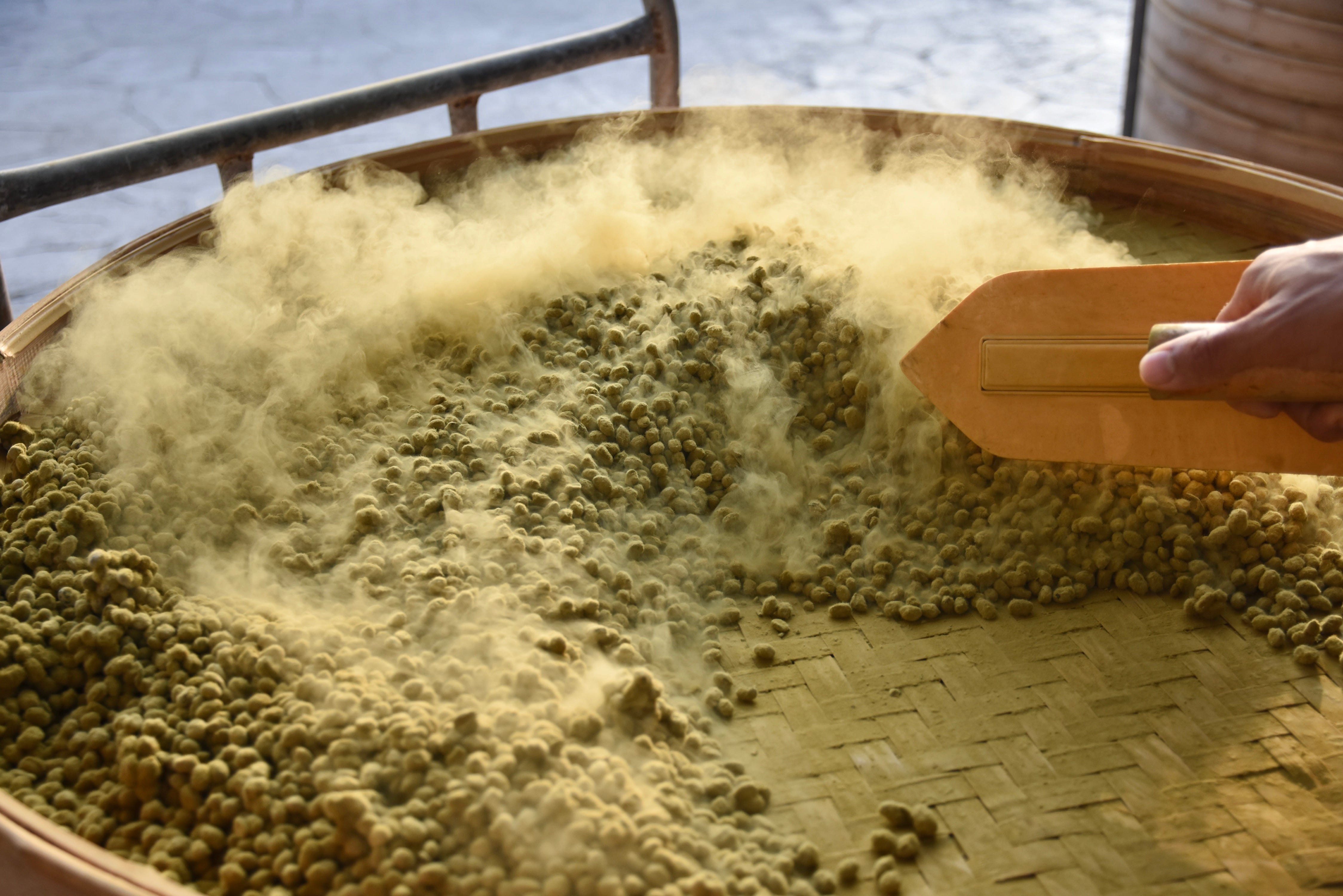
We’ve carried douchi since the very early days of Yun Hai, when we started importing Taiwanese black bean soy sauce from third-generation brewery Yu Ding Xing 御鼎興 in 2019. They make Taiwanese soy sauce in a traditional manner, which starts with—you guessed it—fermented black beans.
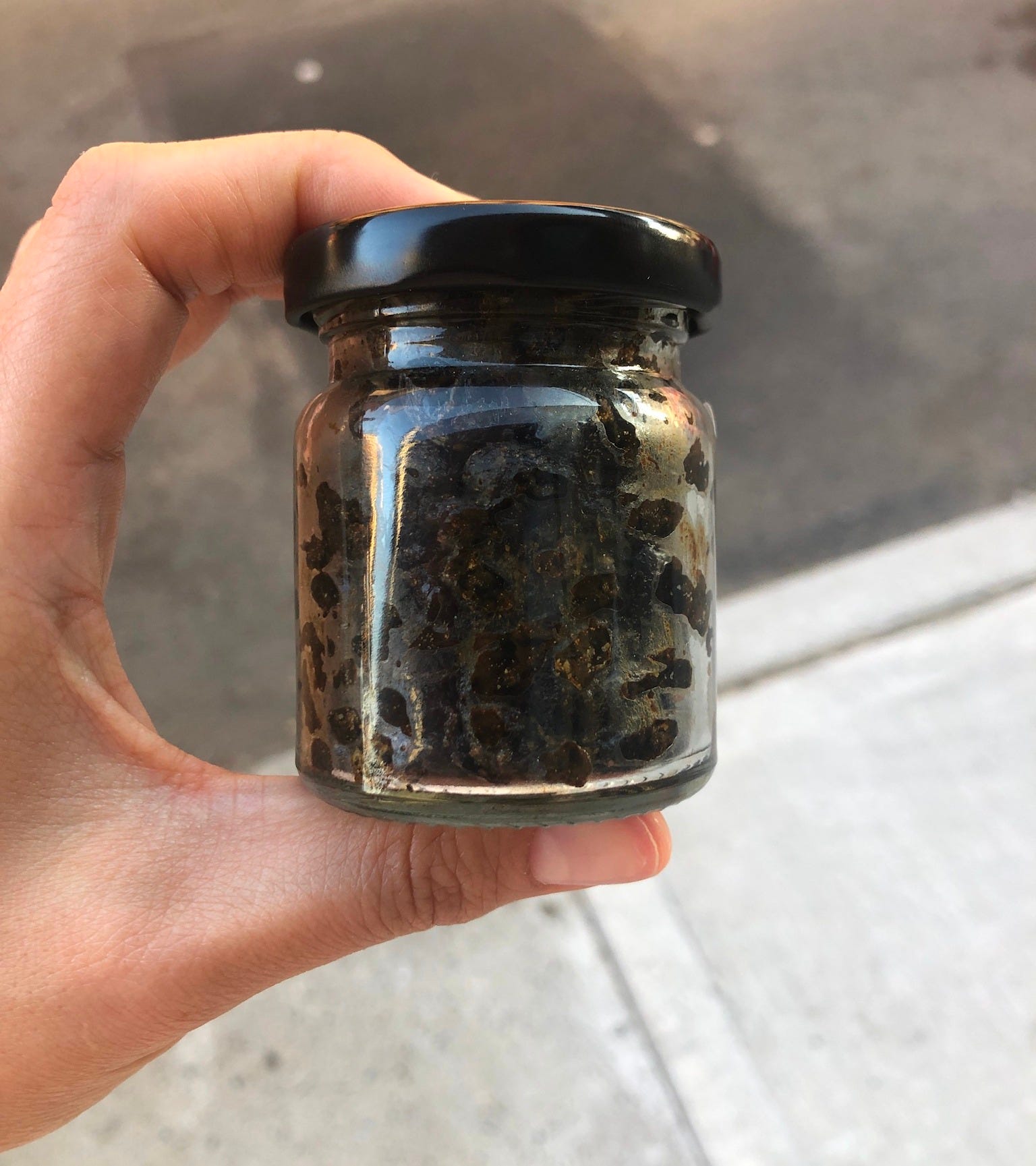
The brewers set aside a portion of the inoculated black soybeans before heading into the soy sauce production process. This portion ages and cures for another year or so, before transforming into their fullest fermented black bean flavor.
When I saw a small jar of these in their office, I knew I had to have some for my planned holiday soy sauce launch (I had a feature in Bon Appetit scheduled to be published a few short months later), but with no time to devise packaging, I ordered big bulk bags and packed them myself in NYC, in stand up pouches with a simple stamp.
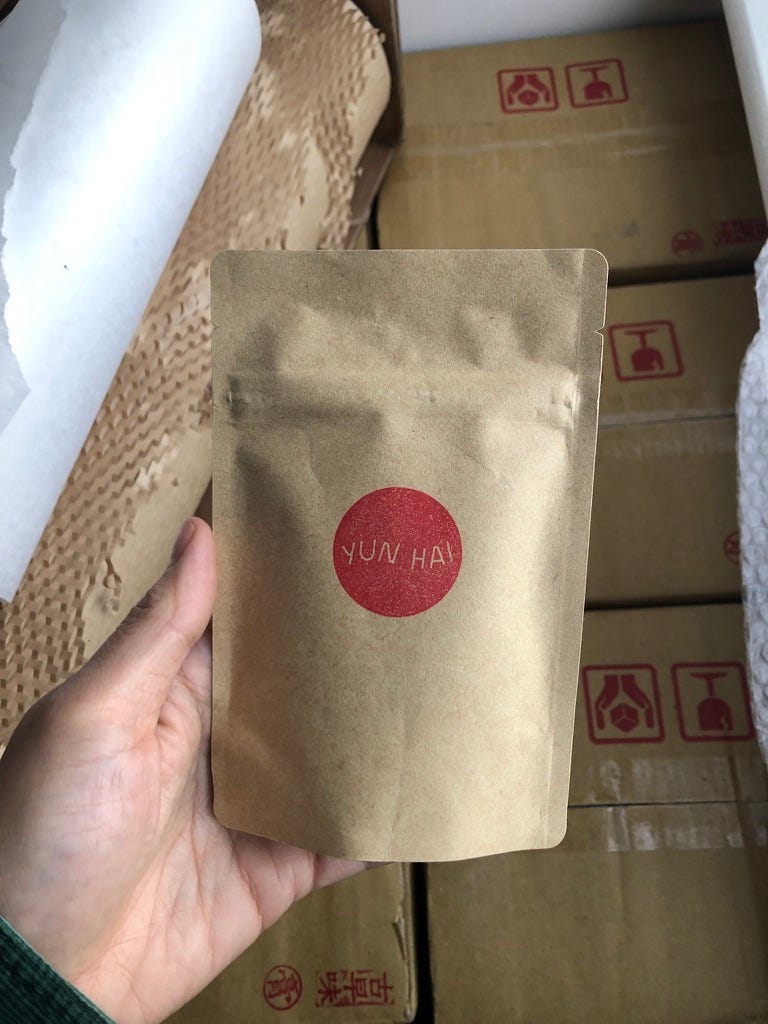
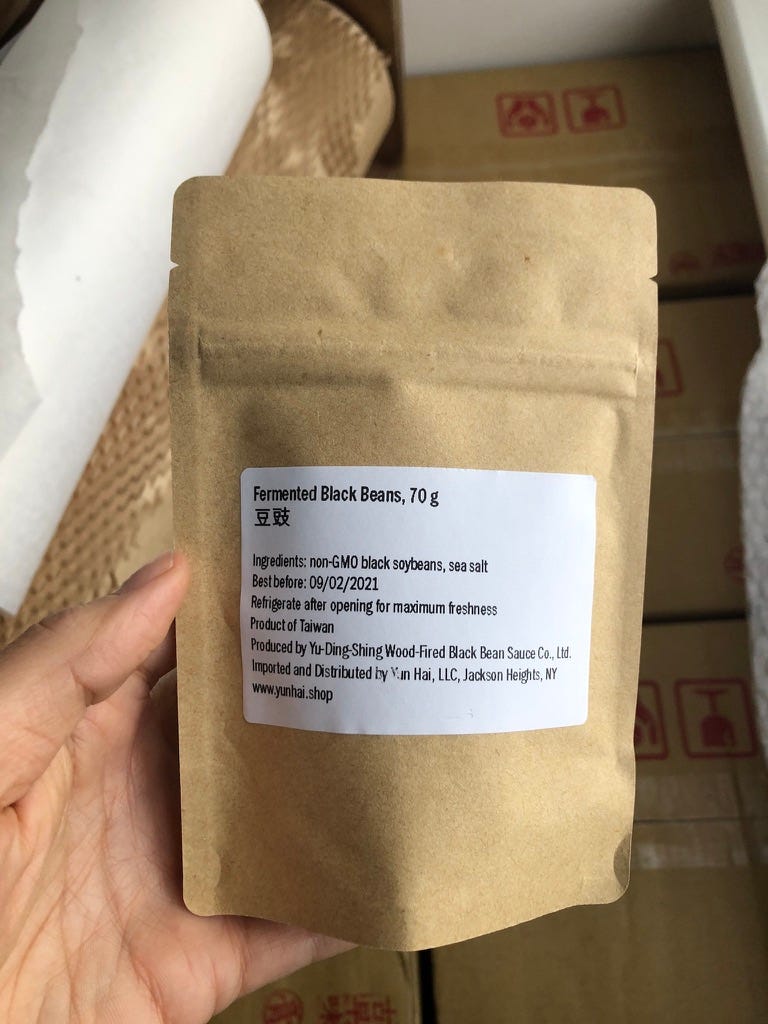
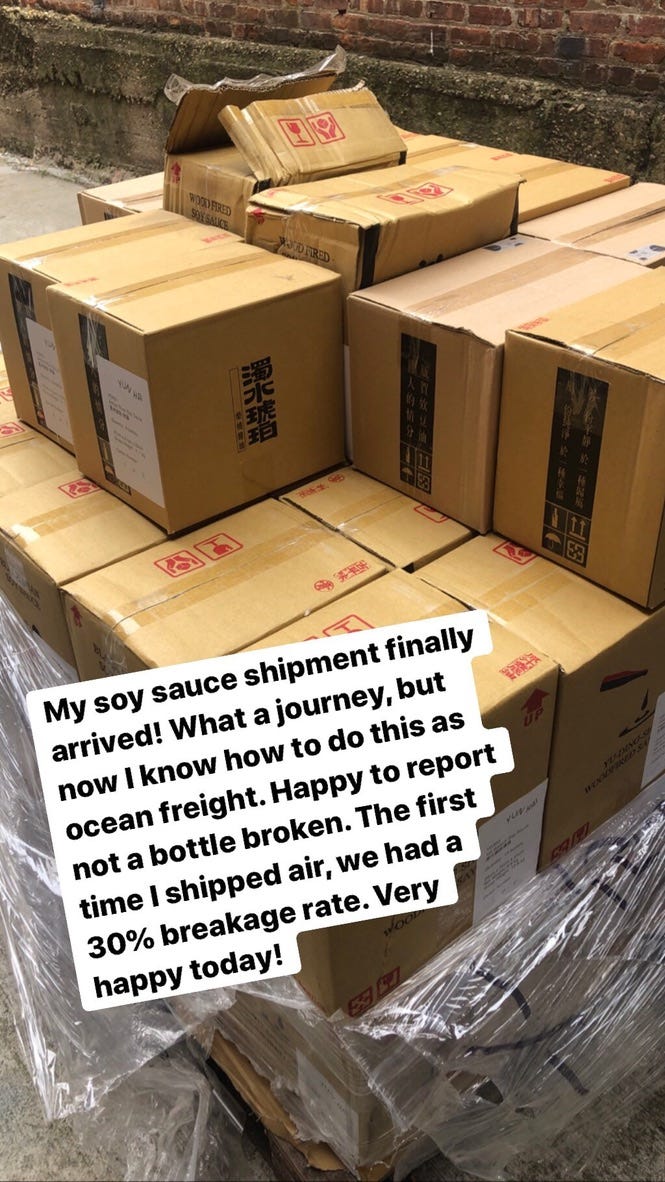
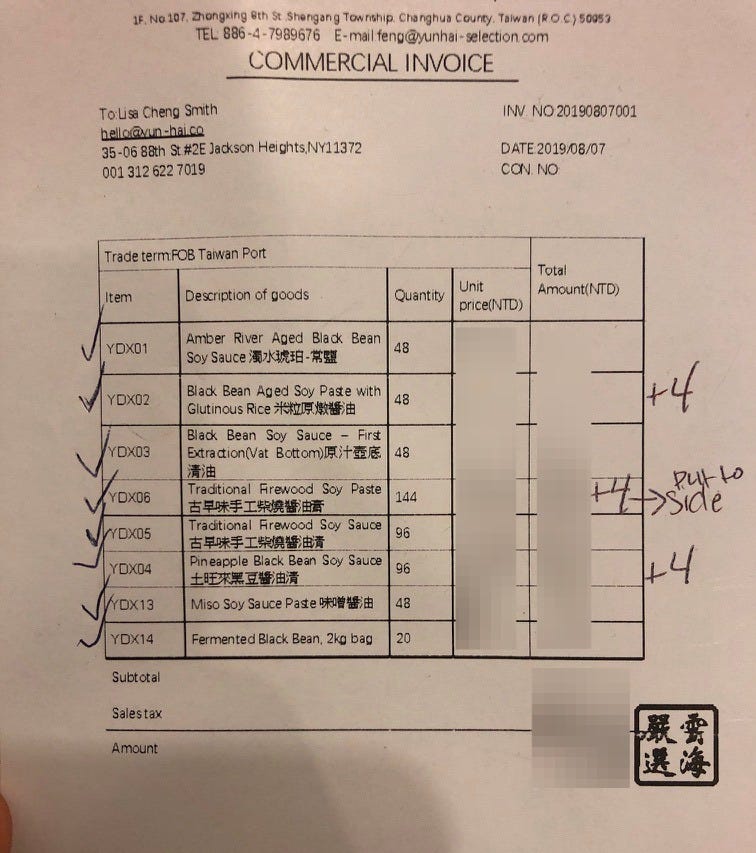
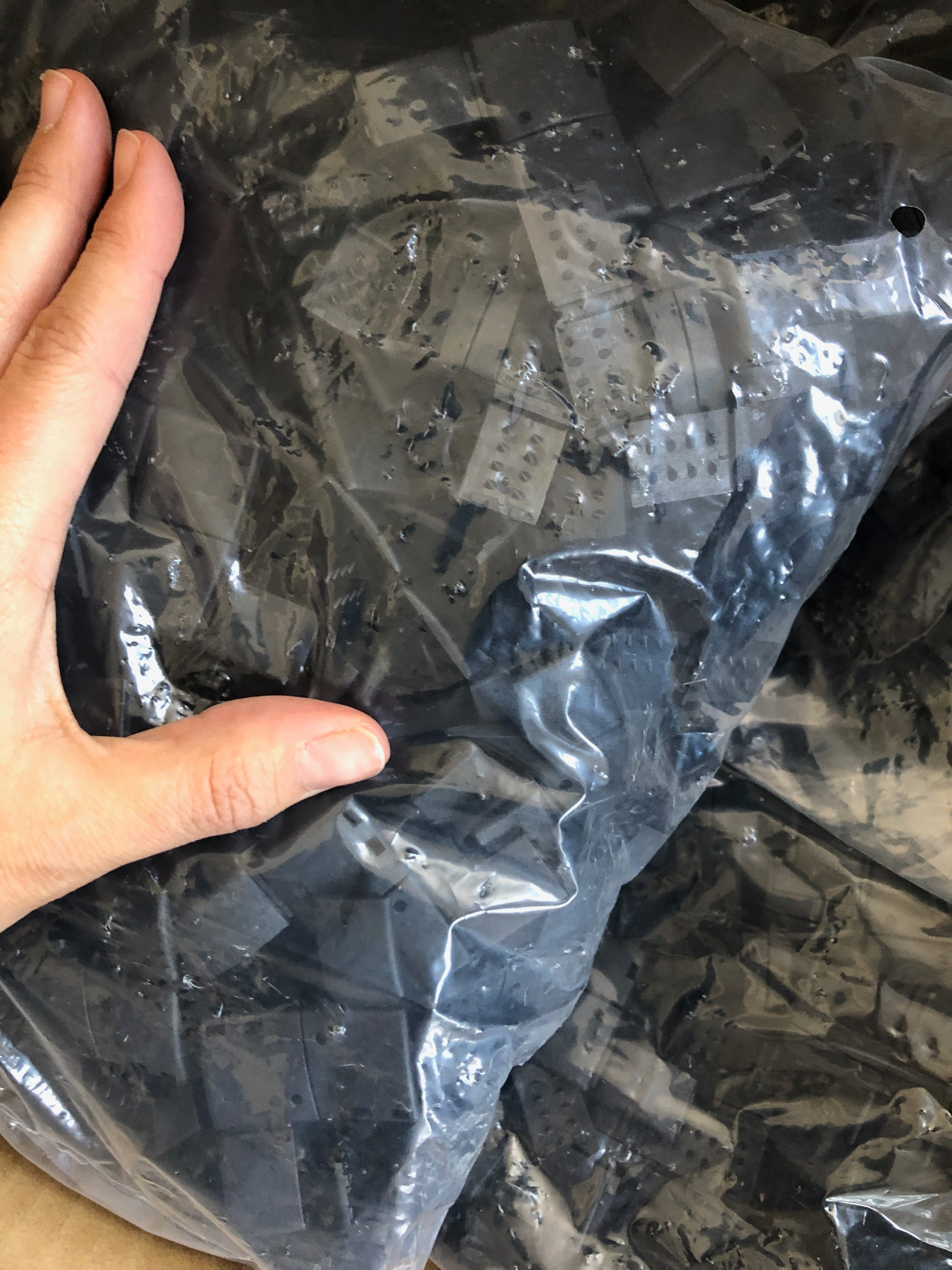
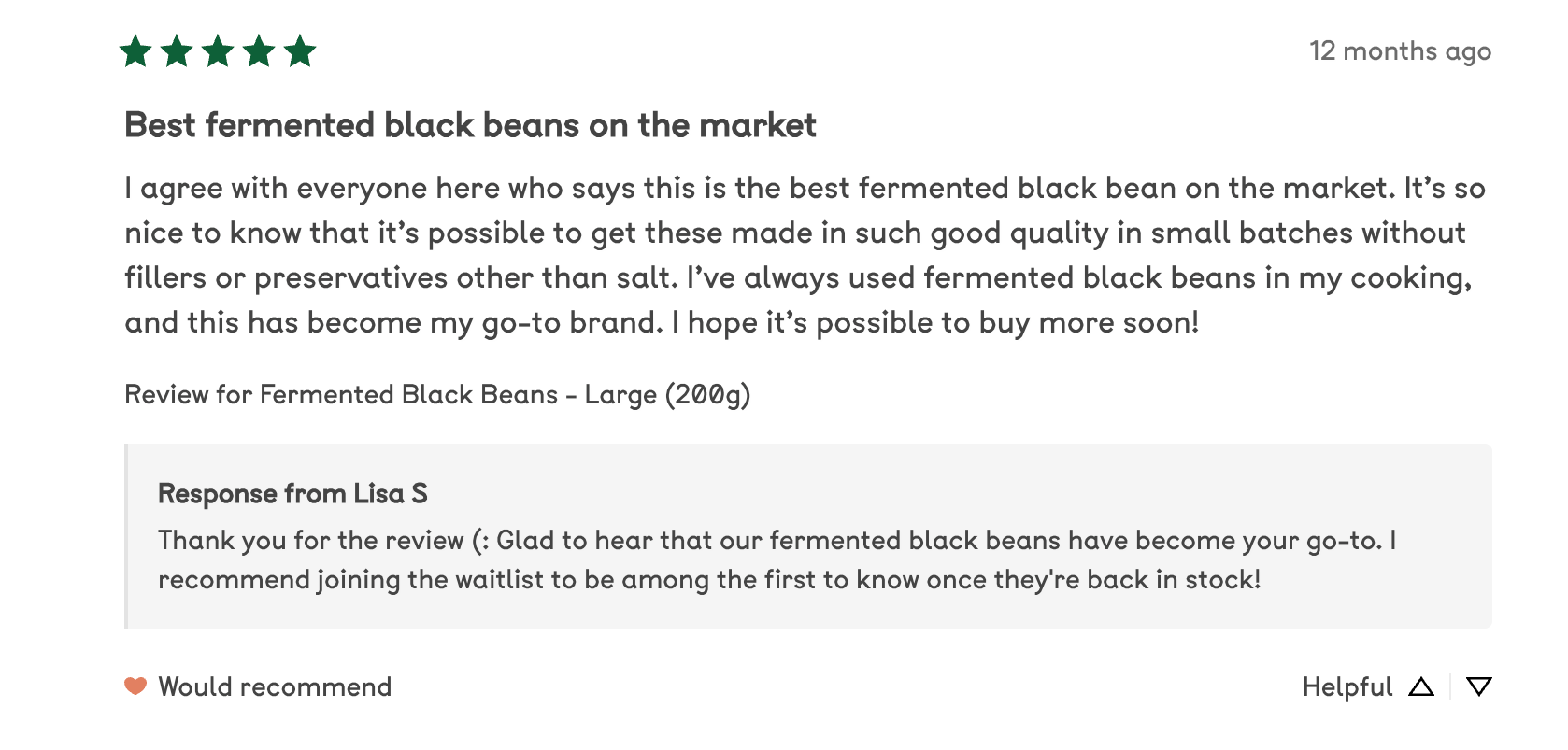
Since then, the fermented black beans have been consistently well reviewed, tend to sell out, and we absolutely adore them. I am not one to speak in superlative, but I do think they’re the best out there. Others agree:
In addition to the retail pouch, we have always sold this in 2 kg bags to restaurants like Win Son, so if you’re a restaurant, hit us up!
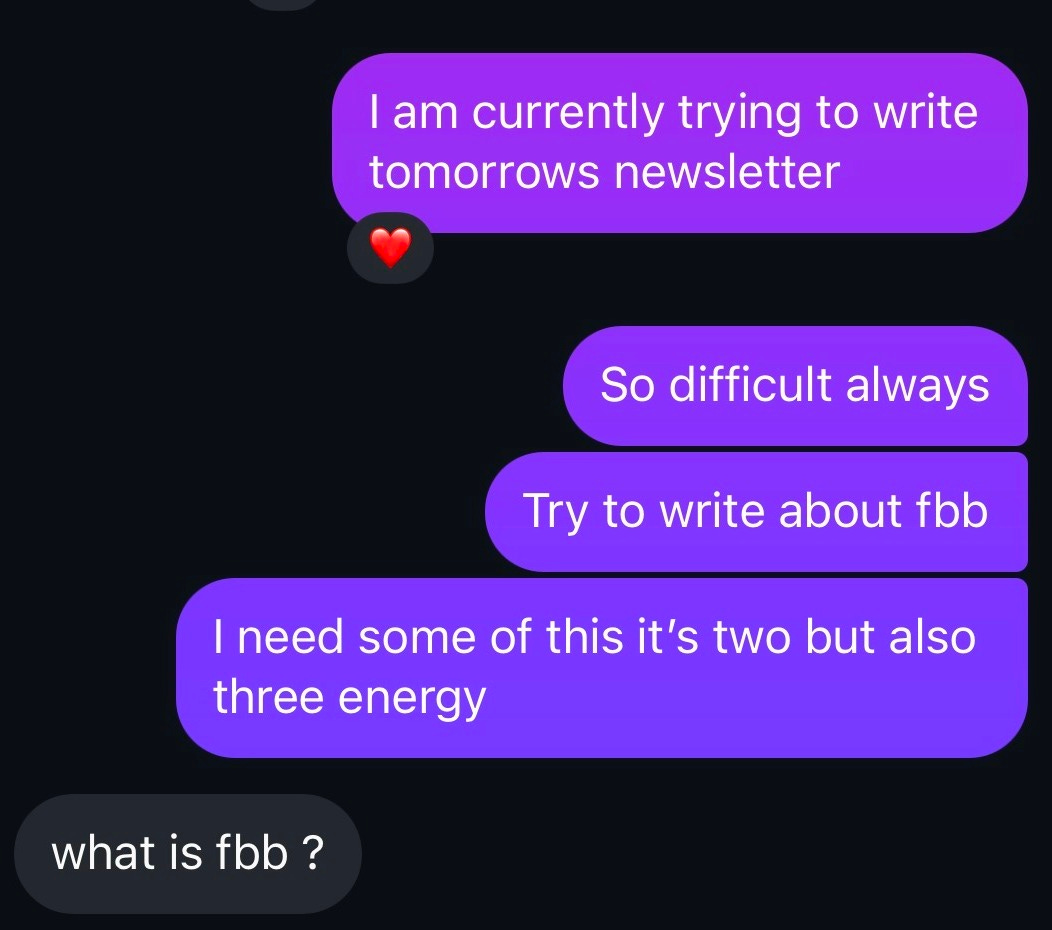
These little beans are such a big part of our day-to-day parlance that they’ve become affectionately known as “FBB” in the office. This is so second nature to me, that I forget people don’t readily know what I’m talking about.
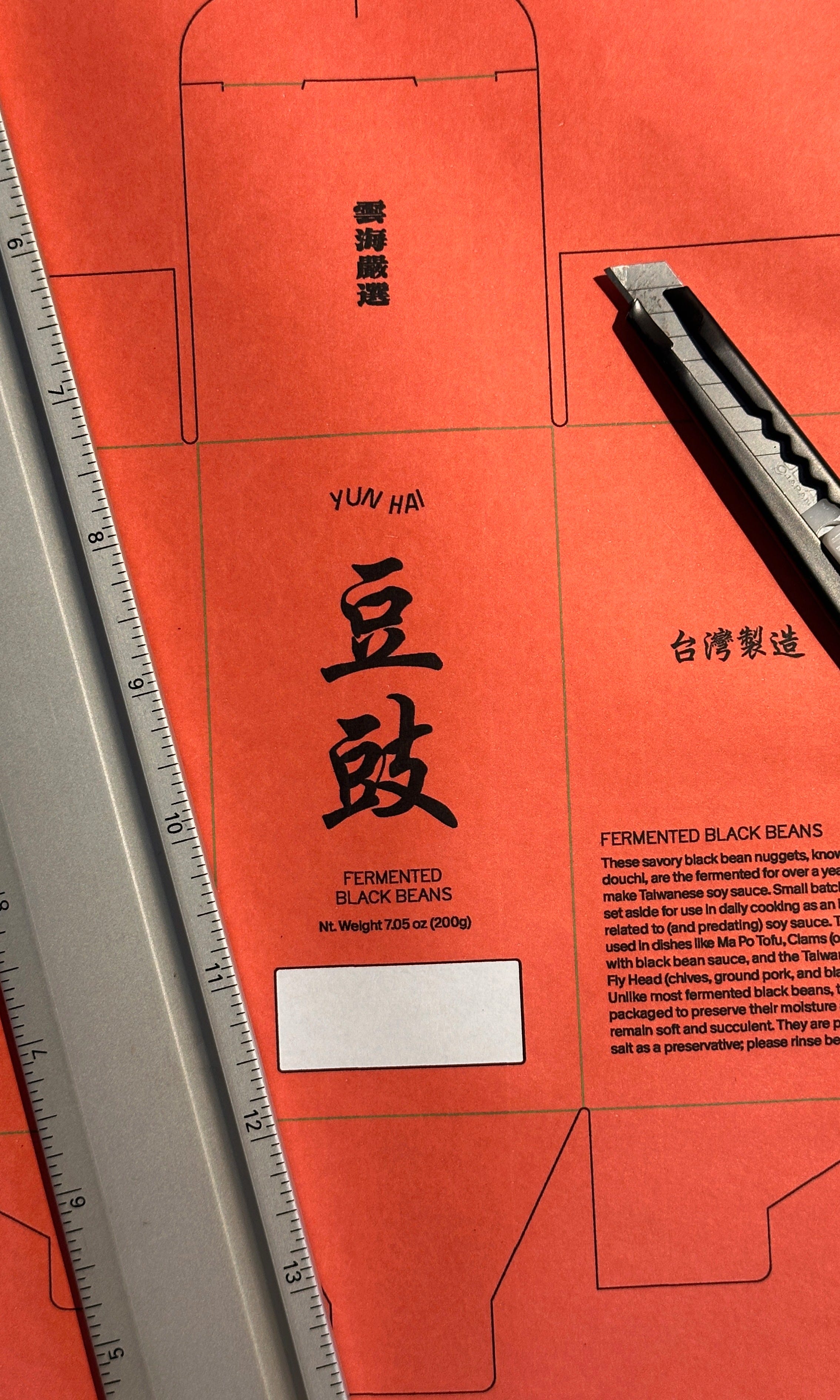
We’ve finally worked out a new packaging design that’s worth its salt (snort), and are excited to reintroduce this ancient condiment in a tidy little jar that references Taiwanese everyday life.
Red-Topped Faceted Column Jar, for Lack of a Better Name
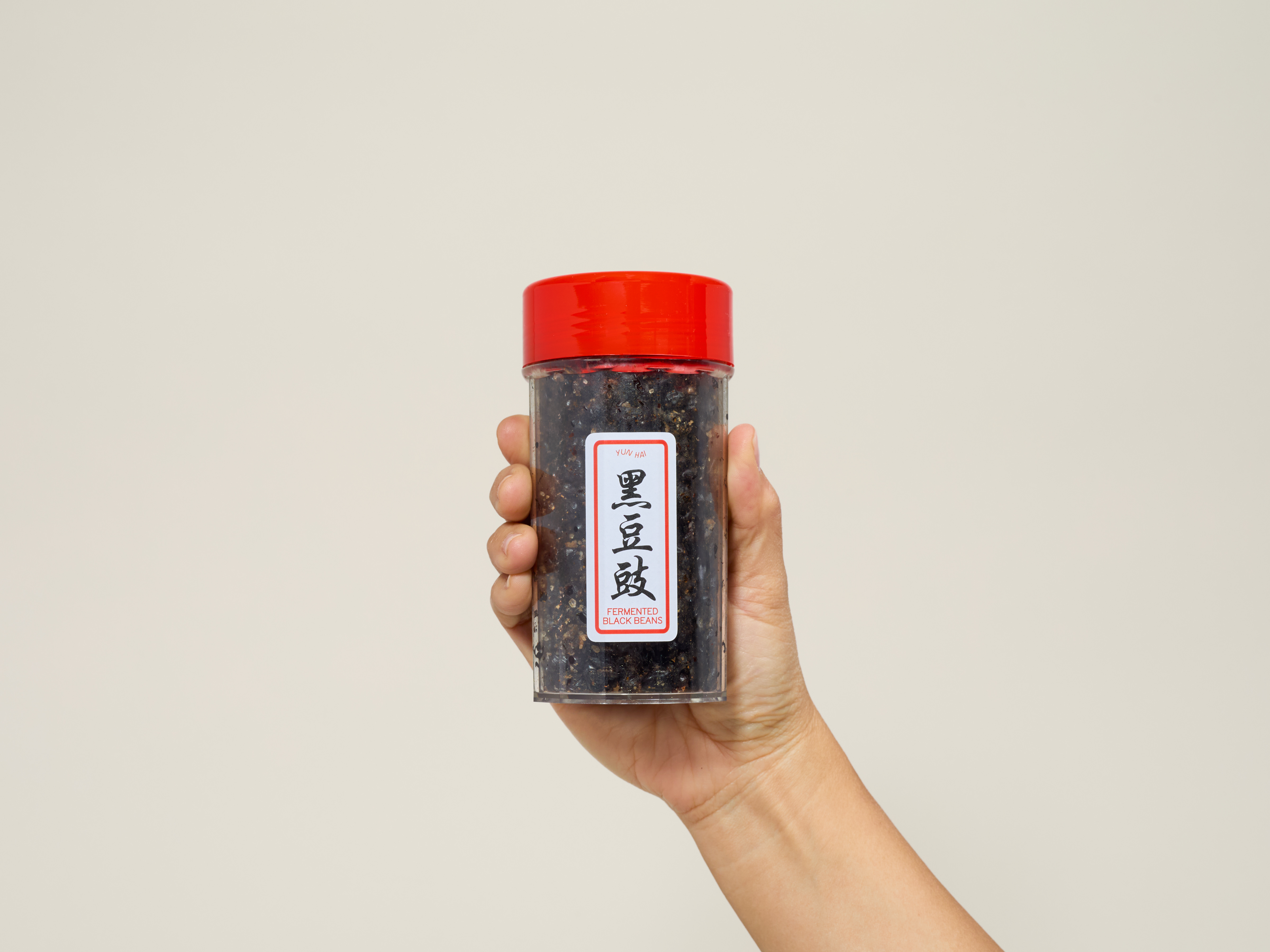
It’s been almost seven (!) years since we first started selling fermented black beans. They’ve flown under the radar for that entire time, with the constant idea that “we would eventually update the packaging.” This goes to show that it’s hard to change a product after launch (are you with me fellow product developers). Once we released it in a stand up pouch, in a stand up pouch it stayed.
The packaging was actually pretty ok, but could be done better.
First, the pouch didn’t show the product or celebrate what was inside. This is something we really care about at Yun Hai. It isn’t so much a desire to “elevate” a product as an intention to communicate it.
Second, they’re hard to pack. Stand up pouches take up very little room in storage, but they need to be expanded and held open to be filled cleanly.
And third, the original packaging, made of kraft paper and mylar film, is not the easiest to reuse or recycle. Only a limited set of facilities can recycle that specific mix of materials.
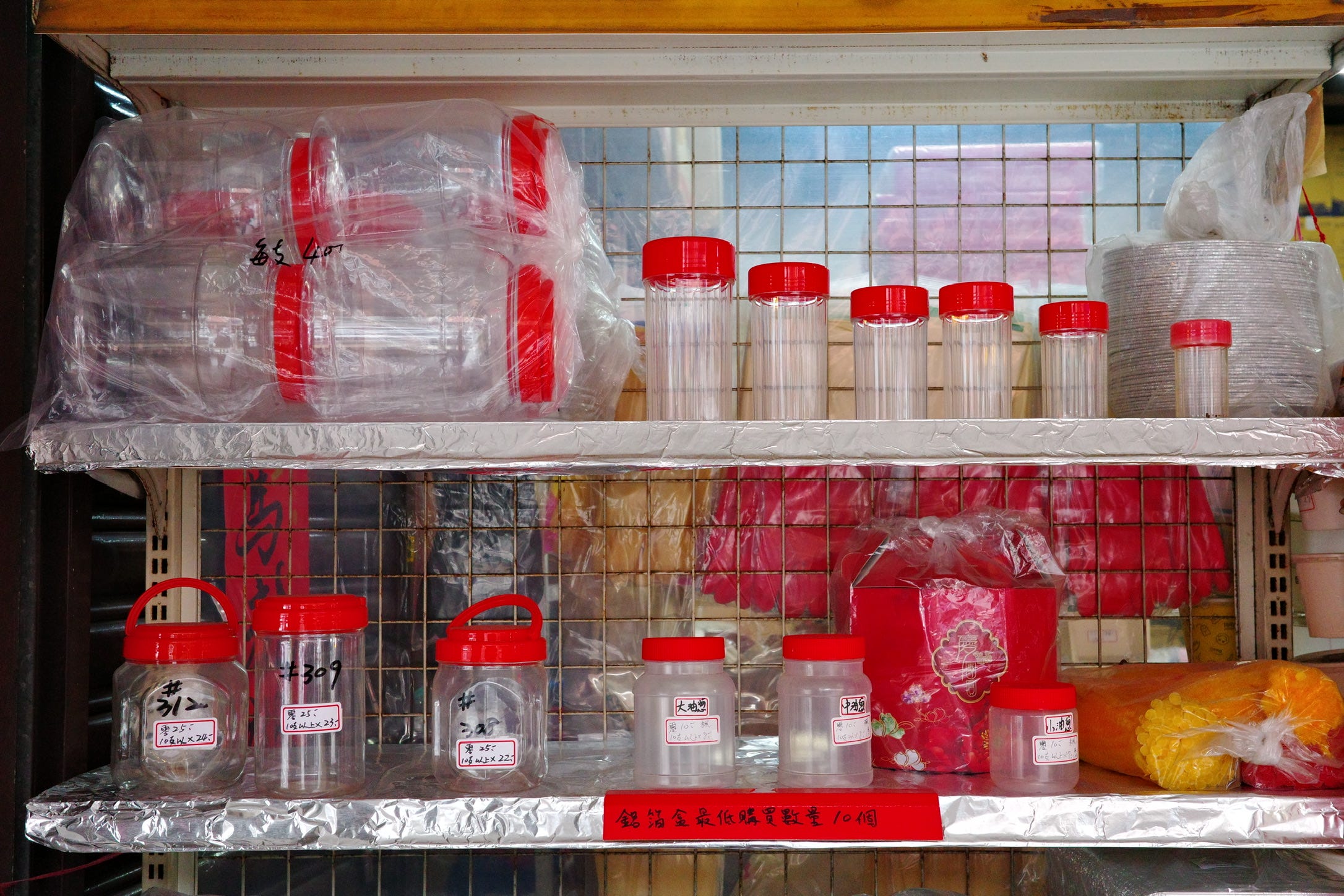
Of course, I looked no further than the daily life shops of Taiwan, where packaging is abundant and also abundantly recycled. I’ve long loved the red topped jars and bottles found in herbal and medicine shops. They’re inexpensive, lightweight, easy to fill, easy to get, available in many sizes, and are so beautiful, with the refractive effect of reeded glass captured in its faceted shape.
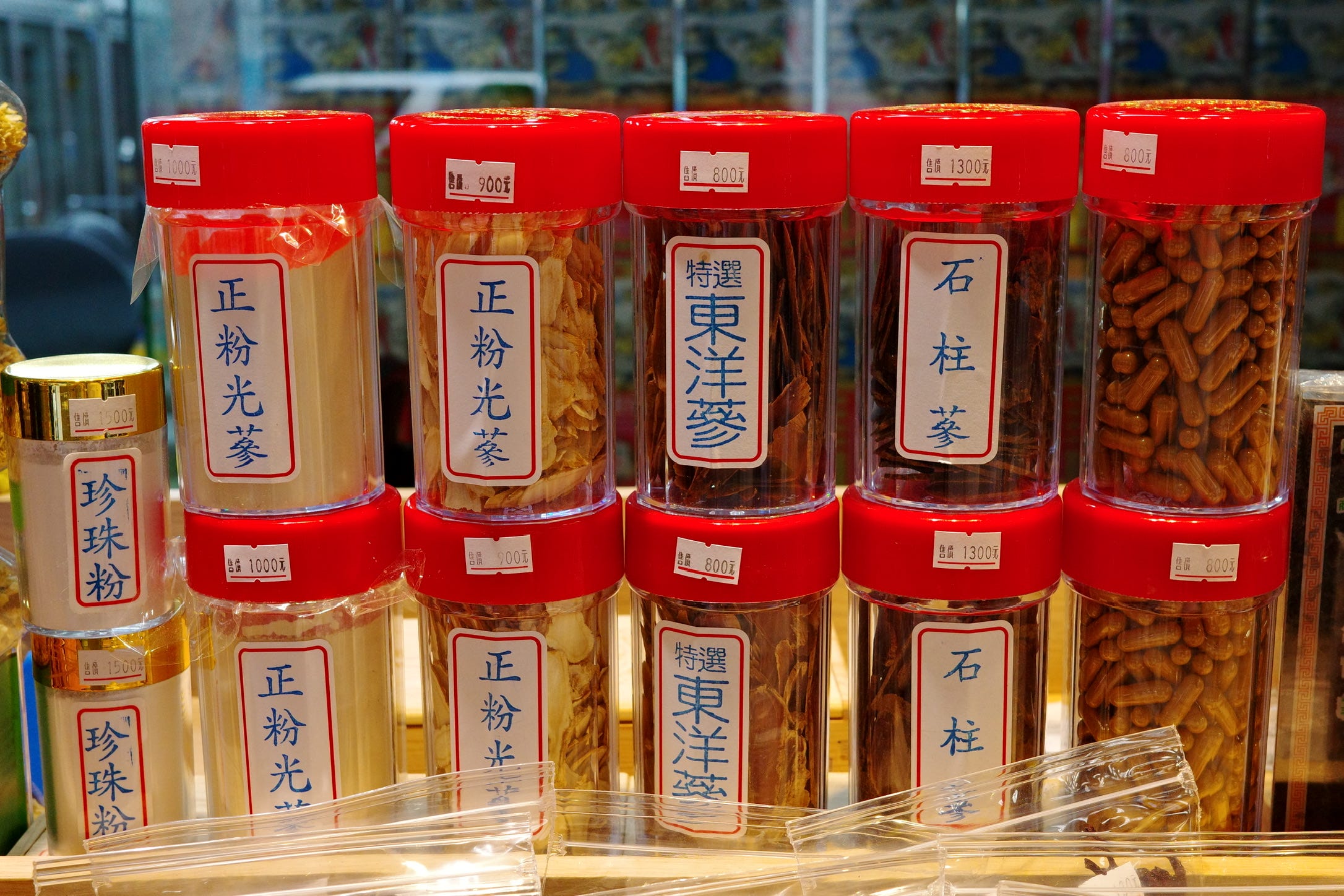
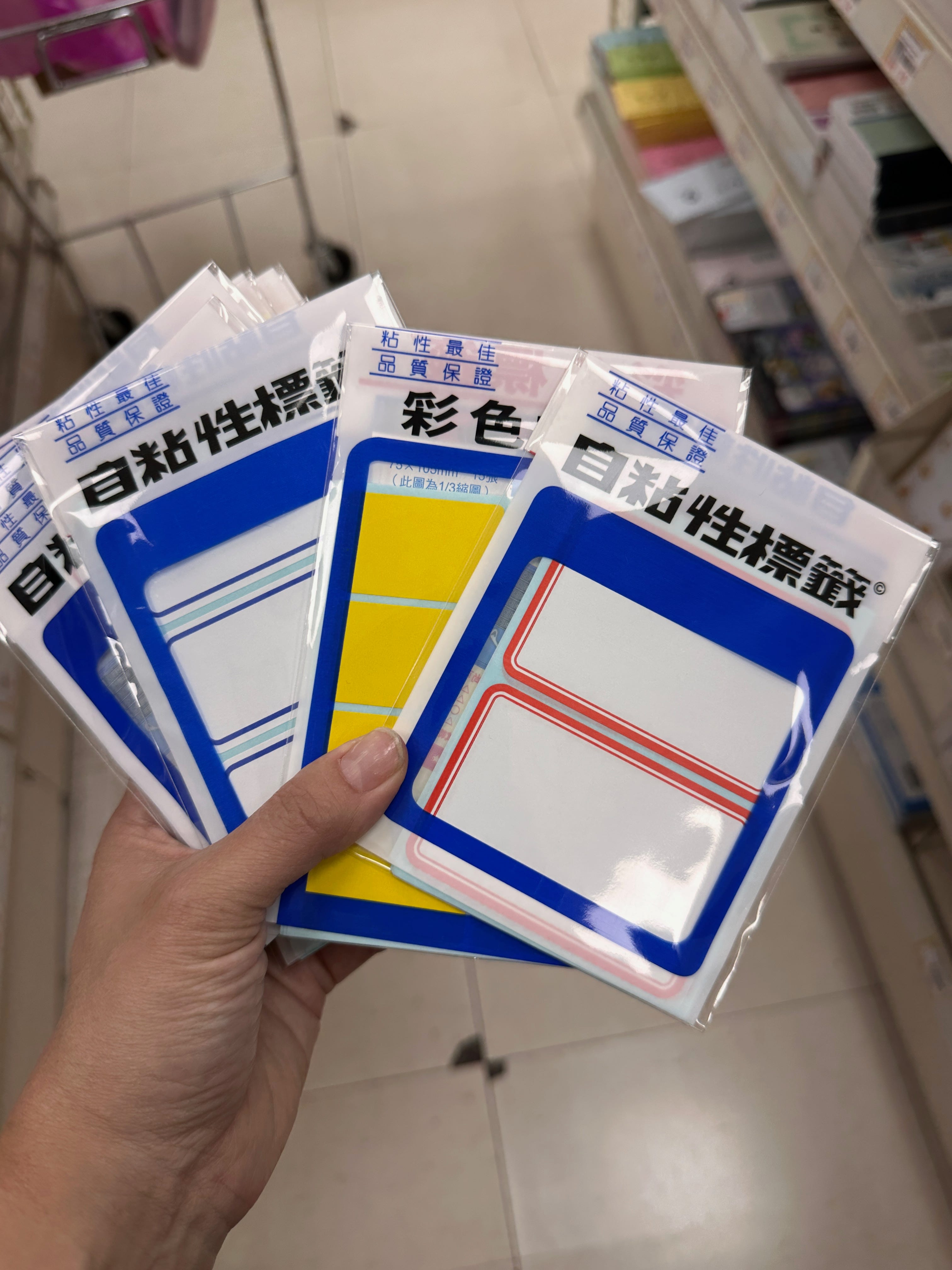
Our packaging also references the stamped labels commonly in use on these same jars, with typefaces varying from product to product or shop to shop. The labels, bordered with a strong red or blue stripe, also come in many different sizes, and are easily found at any stationery store.
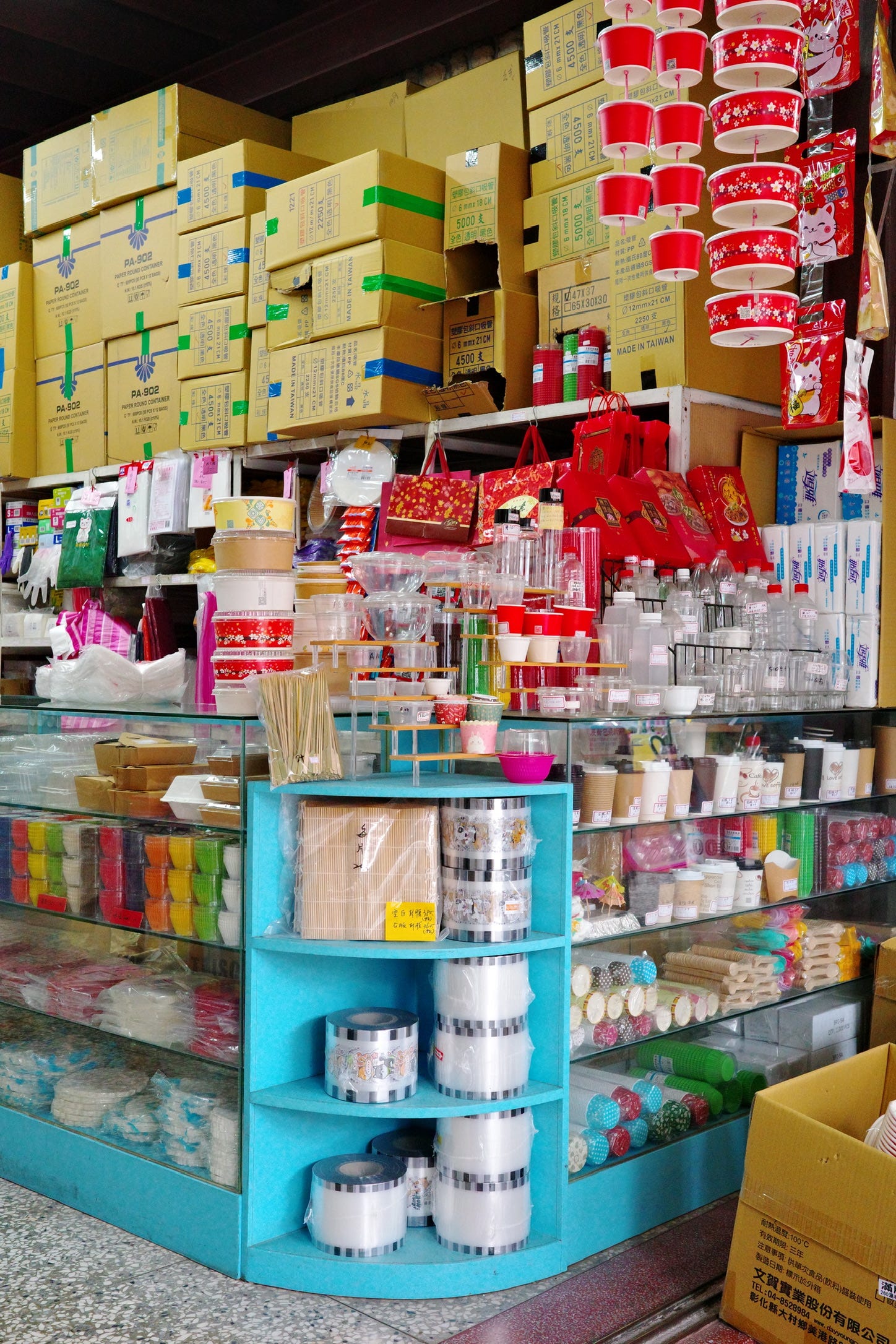
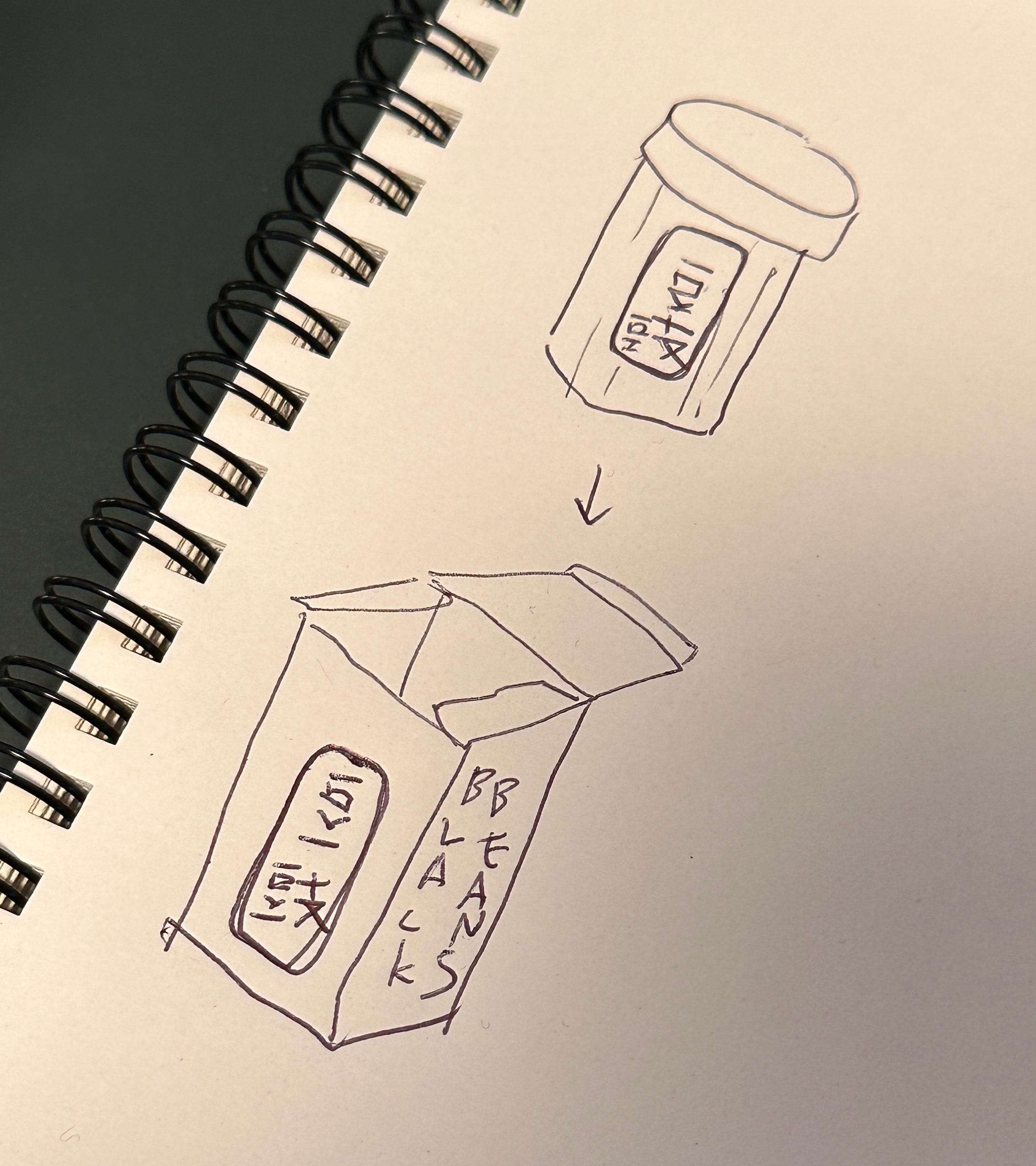
We decided to package the black beans into one of these jars and encase it in a lightweight box, which solved all of our problems. You can see through it (box has a window); it’s affordable; it channels Taiwan sensibility; it’s easy to fill; it’s not a headache for the vendors to get, and, as it turns out, it’s made of PET, one of the most widely accepted 100% recyclable plastics in use today.
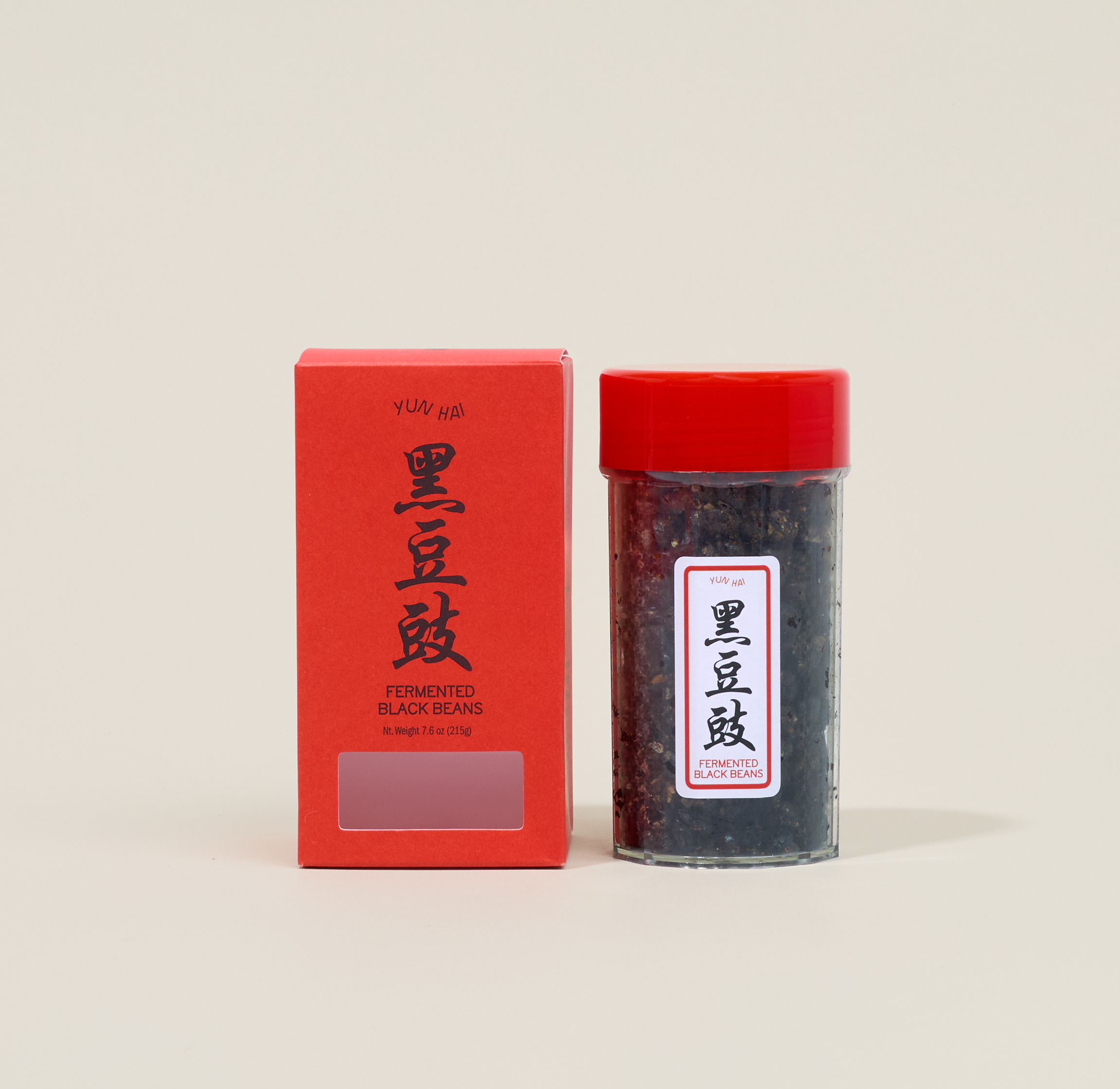
More on the plastic point: we try to avoid plastics as much as possible, and lean into glass, metal, and paper. It’s not always an easy choice, when reviewed holistically. Aluminum requires lots of water to produce and glass is heavy to ship. Mylar film pouches are lightweight and recyclable, but difficult to find facilities that accept them. The PET used in this jar is the same material that soda bottles and peanut butter jars are made from, and if you’re going to go plastic, is probably the best bet for now because it is so easy to recycle.
Though I’d love to package these in a wax coated paper or similar, we do need a reliable vapor barrier that can be affordably and securely transported. This new iteration may look like more plastic than the kraft paper stand up pouches we were using previously, but it’s actually a far more recyclable product, and can also be reused!
HTCWFBB
(How to Cook with Fermented Black Beans)
Douchi are a perfect seasoning. They impart a rich, savory flavor to any dish. Find them in well-known dishes like Flies’ Head (quintessential chive explosion), Clams with Black Bean Sauce (Canto favorite), Mapo Tofu (a weeknight staple), and Twice Cooked Pork Belly (dec-a-dent, also kind of easy).
Think of them as a non-dissolving soy sauce bouillon. Take them out of the jar, soak them for five minutes, then rinse. Go from there.
The easiest thing to do is to fry them with garlic and ginger as a base for a quick improvisational stir fry (my tip: one veggie and one protein only with this flavorful mix). You could even go so far as to mash them up and blend them into a rich vinaigrette. I’ve even seen people make FBB butter. They’re just beans. Perfect, magic, punchy little beans.

I cooked through a few of my favorite recipes this past weekend, photographing them on a tray balanced on a stool, with a tripod on a cookbook and a tofu light in hand. All I can say is that for every good image there were many blurry ones. I prefer to photograph by chance.
Without further ado, here are the dishes. Bury me with them.
Ma Po Tofu
麻婆豆腐
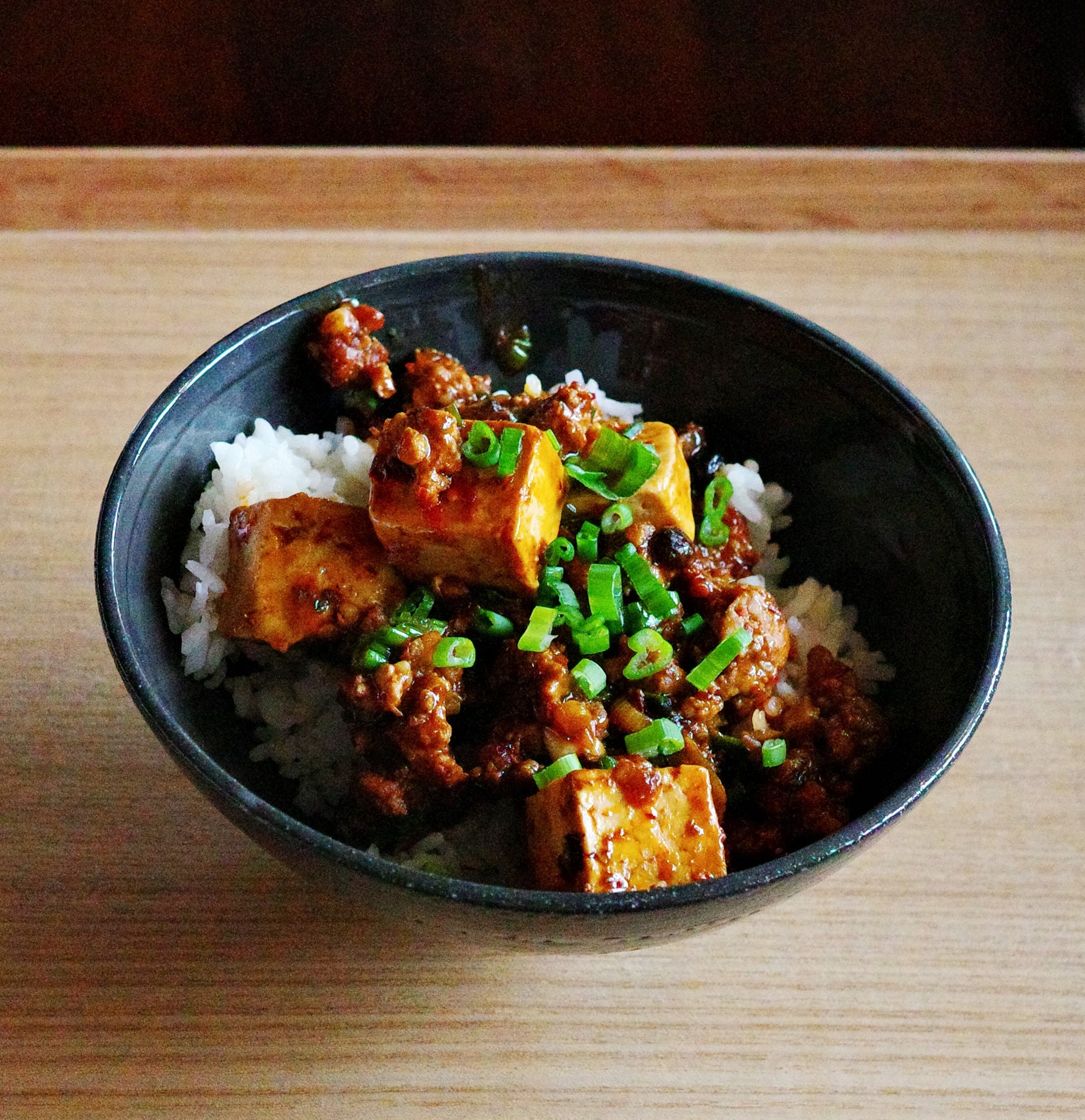
This recipe is the oldest in the Yun Hai book, and uses our hot-and-numbing Su Chili Crisp to make short of the work, transforming this dish from an involved preparation requiring roasting and grinding Sichuan peppercorn to a weeknight staple.
Q: Why is this so good?
A: FBB
A: And Su.
Flies’ Head
蒼蠅頭
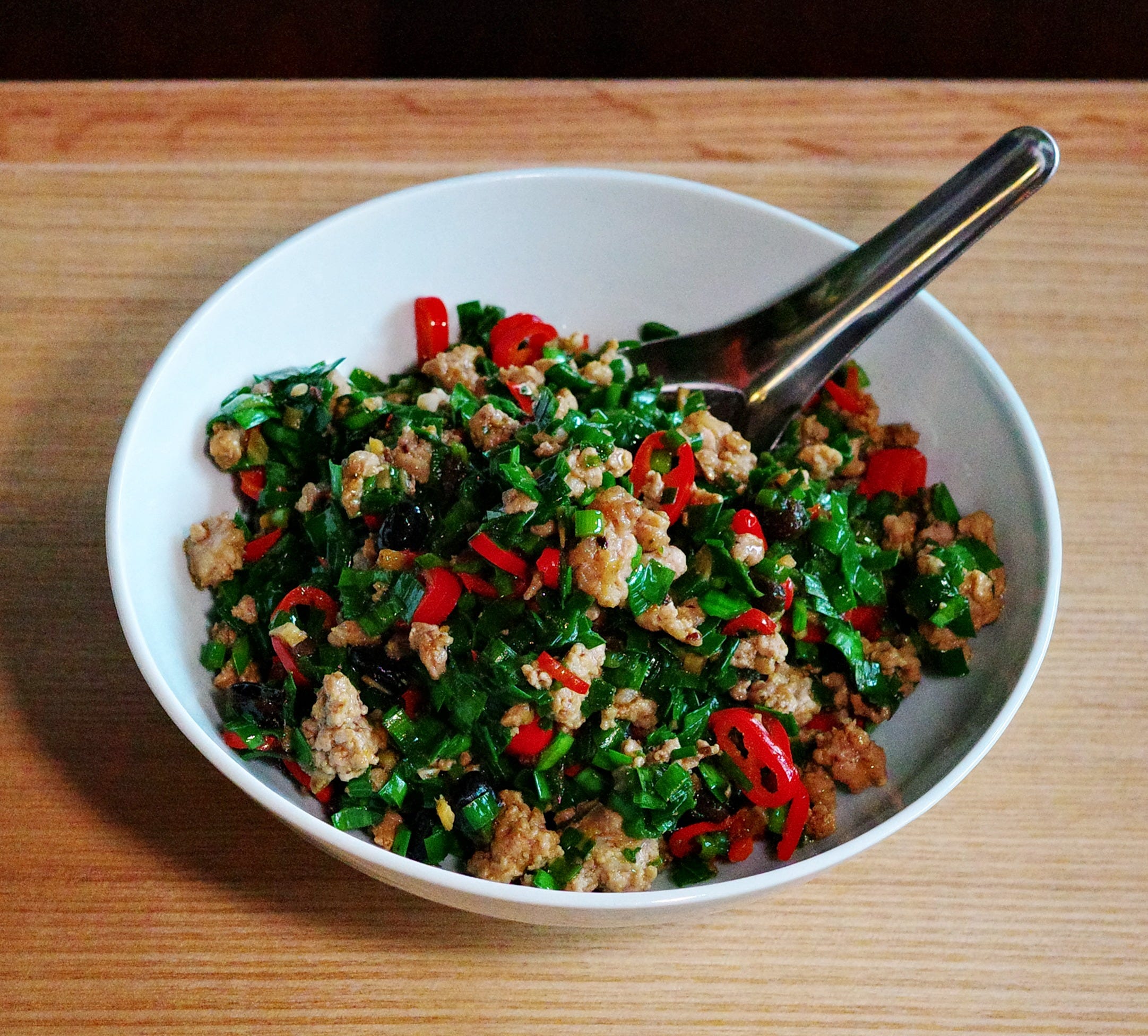
No insects were harmed in the making of this dish; a large number of fermented black beans serve as their stunt double. This dish takes a little bit of pork, a whole lot of chives, a palmful of FBB, and as few or as many red chili peppers as you like—and transforms them into a pulse-quickening, hash-like dish best eaten with lots of rice. A Taiwanese homestyle favorite. My tip: go 1:1 on the chives and pork by weight, and use a cold-pressed peanut oil to warm up the whole dish.
Ozzy Hsieh's Green Pepper You Tiao (!)
青龍椒豆豉油條 (!)
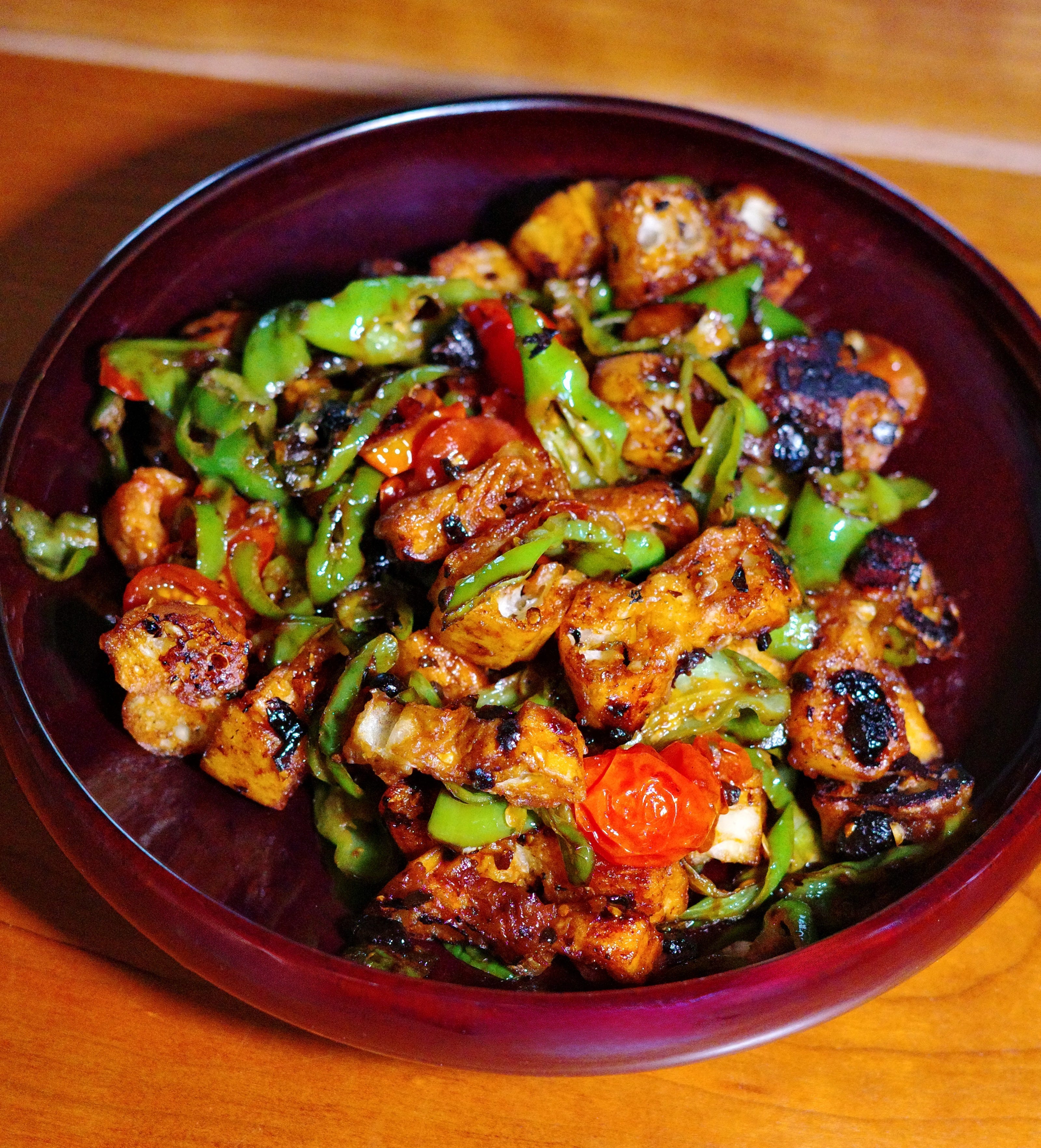
This original recipe was generously provided by Ozzy Hsieh, the producer of our fermented black beans (also an excellent chef). It’s something between a chao bing (shredded scallion pancake stir fry) and a…panzanella (don’t crucify me Taiwanese and Italian readers)?
Day old Chinese cruller is sliced up and tossed with a rich dressing made from tomatoes, chopped peppers, spicy soy paste, ketchup (👍), and, you guessed it, FBB. It’s warm and there’s no acid, so technically not a panzanella at all, but the tomato and pepper sauce absorbed by the yeasty cruller brings a Mediterranean vibe, in my HUMBLE OPINION. I did once have an Italian/Taiwanese food cart with my friend Michael, so if this feels like a stretch, chalk it up to that ongoing fantasy.
In any case, it was amazing! This was gone almost before I had time to photograph it; I was yelling at my family to “please do not eat from the pot during a photo shoot.”
Crullllllllers — get ‘em frozen at the Asian grocery store and whip this up in a pinch. Good with rice, too, especially if carb-loading.
Before I Go…
Pick up your QQ Horse and QQ Snake Merch online or in store! We’ve got sizing samples at the shop if you’d like to try them on. Make this your winter-spring transition piece of the 2026 season. Honestly, great over a swimsuit, I would know.
Speaking of the store, we’ve just restocked on nos books and added more Taiwanese art book titles and stationery (including elementary school Chinese writing practice books). Come see us!
I had a wonderful time speaking as a featured presenter at the Asian American Arts Alliance Town Hall hosted by the Museum of Food and Drink earlier this week. The theme was Culinary Arts; thanks to all who shared their work and pitches! Learn more about this organization and their wonderful events here.

From L to R: Me, Lisa Gold (A4 Executive Director), Yumna Madi and Rala Ziadeh of Lammeh, and Justine Lee (A4 Programs Director). Yes, I am wearing QQ Snake. We continue on the march to Yun Hai Press with the release of a lovely informational pamphlet all about the Hsieh Brothers and what they’re doing for Taiwanese soy sauce at Yu Ding Xing in Yunlin, Taiwan. More details on this in a forthcoming newsletter, but as of today, one copy is being included in every order. It’s a small but big thing. We always seek to walk the line between culture and commerce, representing our producers without beating our customers over the head with product speak.
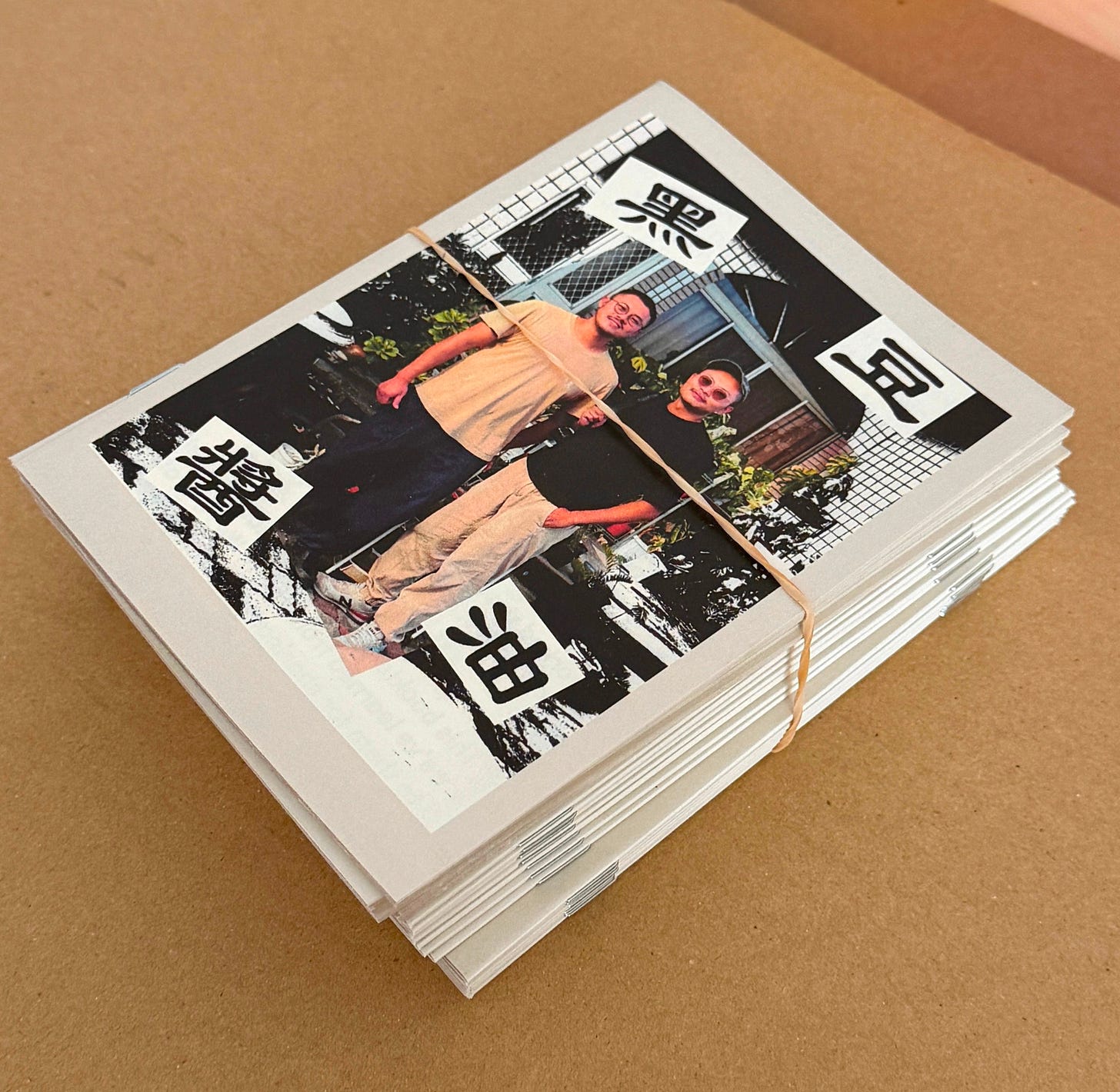
So excited about these; Jasmine Huang saw me scream when I opened the box, then immediately slam it shut and walk in a circle. And finally, if you are in the Bay Area, don’t miss Lillian (co-owner and COO) at Preserved in Oakland tomorrow, 3/27. She’ll be running a soy sauce tasting spanning Yu Ding Xing’s offering, including our new fermented black beans. The new soy sauce zine will be on site as well! The event RSVP is full, but please join the waitlist to be notified of any last-minute availability.

And with that, I guess I better get back to figuring out the whole it’s two but also three thing.
new and improved and as old as ever,
Lisa Cheng Smith 鄭衍莉
Written with editorial support by Amalissa Uytingco. If you enjoyed this newsletter, please share it with friends and subscribe if you haven’t already. I email once a month, sometimes more, sometimes less. For more Taiwanese food, head to yunhai.shop, follow us on instagram and twitter, or view the newsletter archives.

黑豆油: Everything I Know About Taiwanese Soy Sauce, Part One

dedicating my life to Taiwanese soy sauce for the better part of a decade
辣椒油: Ode to Chili Crisp and a Mapo Tofu Recipe

all about su chili crisp with a does of pluralism thrown in