

This is Yun Hai Taiwan Stories, a newsletter about Taiwanese food and culture by Lisa Cheng Smith 鄭衍莉, founder of Yun Hai. If you aren’t yet a subscriber, sign up here.
Hi everyone! I’ve been writing so many newsletters, so many exciting things! A few more will come before the year is out; we’re packing it in. 🩵➰
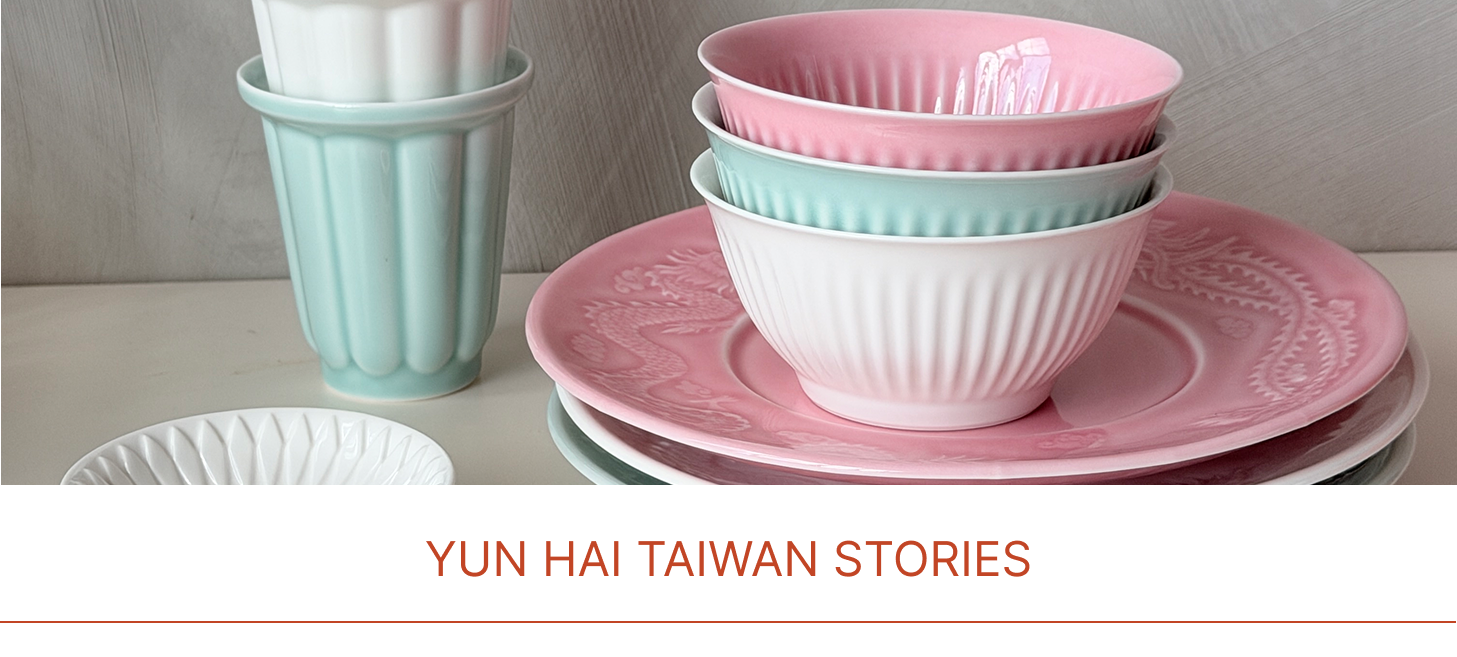
Today, I’m writing with news of perhaps our most surprising launch this year, just in time for holiday gifting and the festive table: Bando Porcelainware. Like many of my favorite things, this series is an homage to a Taiwanese everyday object. Read on to find out more.
This is our last major product launch before the end of the year. Stay tuned for a very special in-person West Coast debut. We’ll be popping up at Goodfight in LA for the entire month of December and then some, kicking off December 4th. See you there!
Pop quiz: do you know what this is?
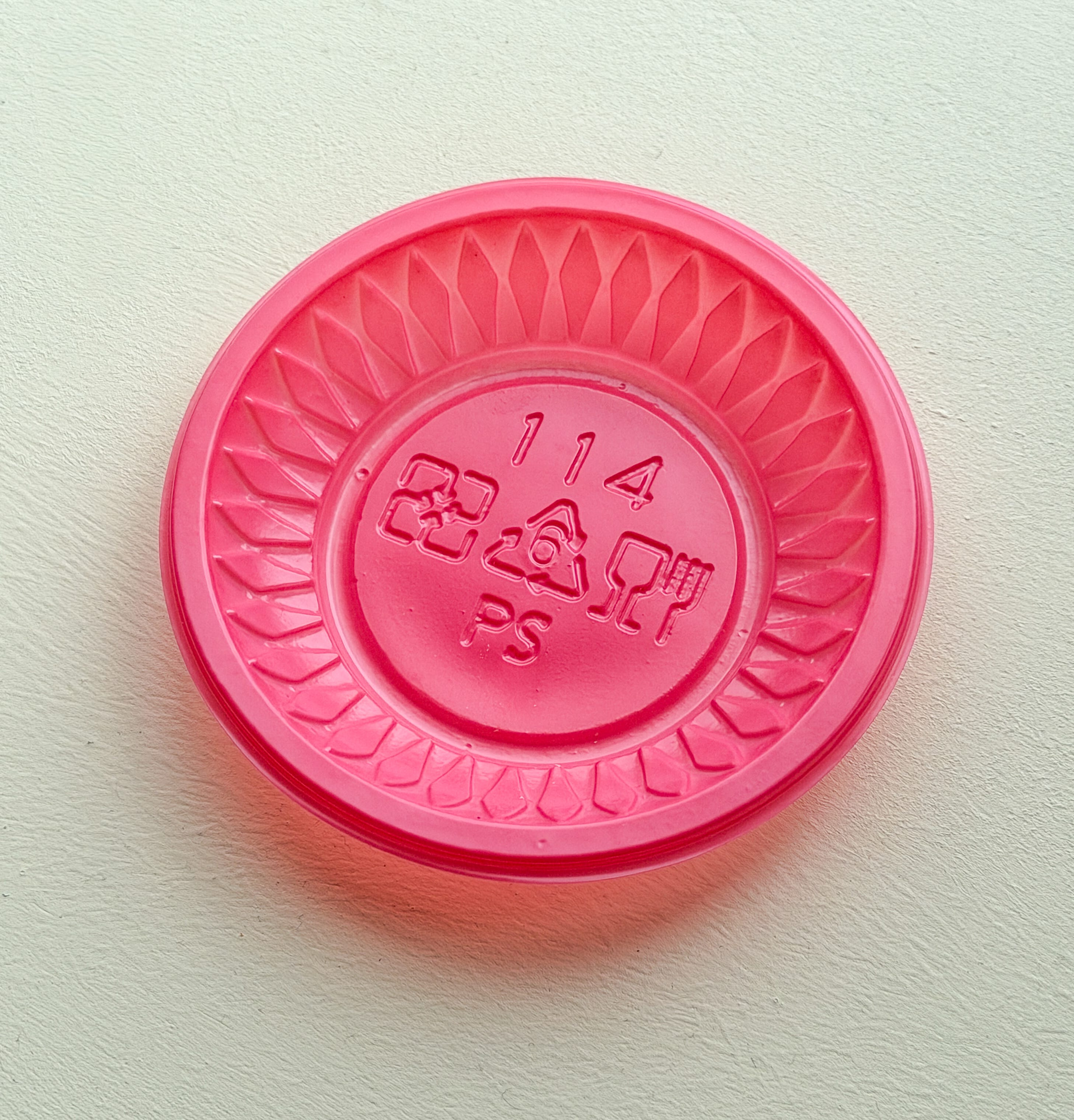
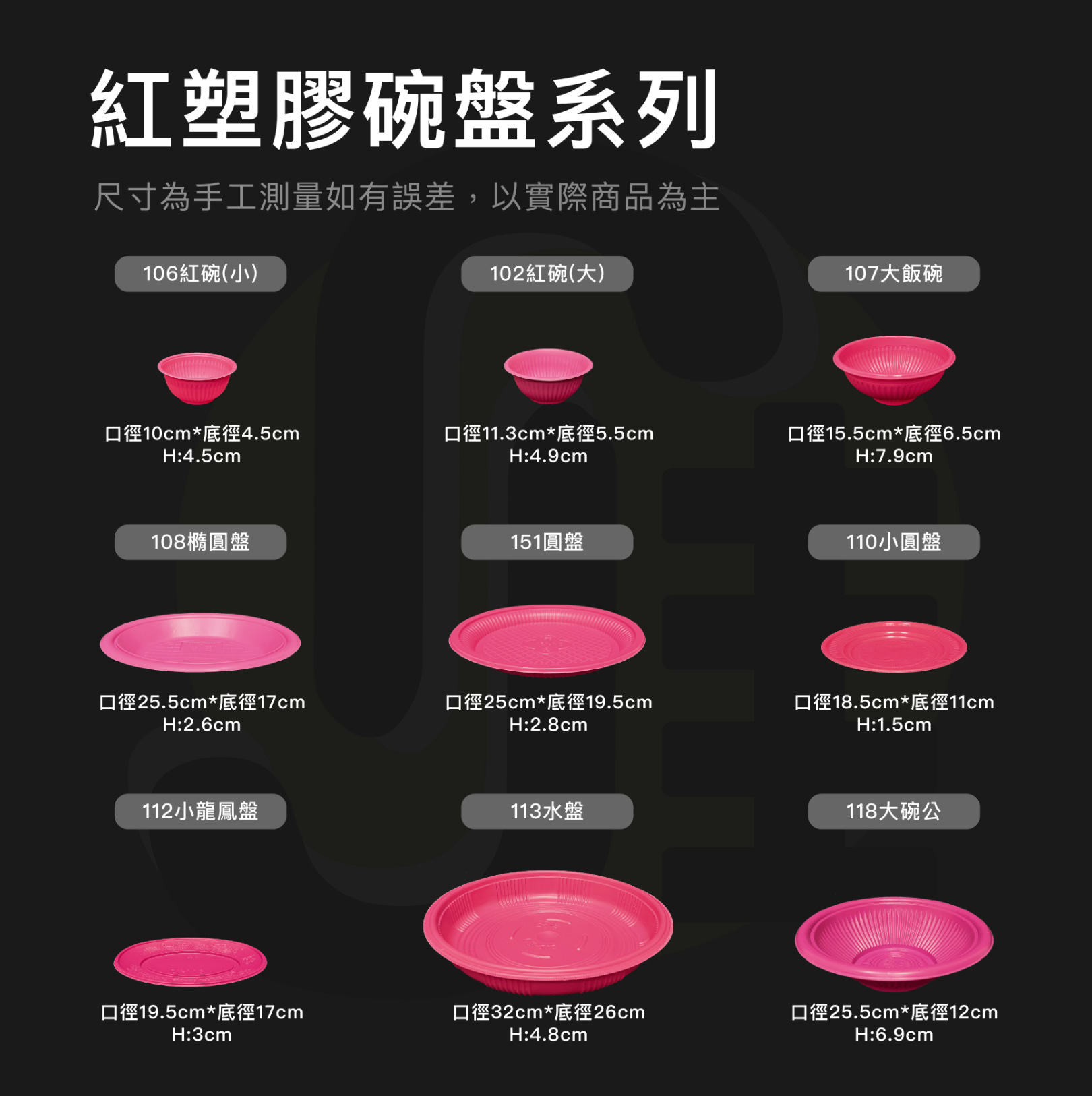
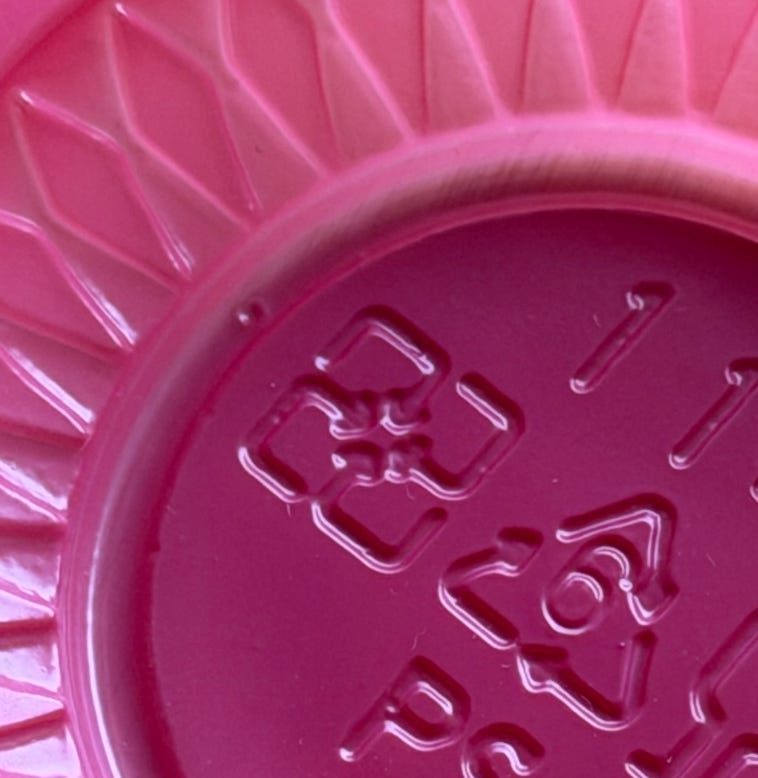
If you said “hot pink polystyrene disposable sauce dish commonly seen at roadside banquets in Taiwan,” you would be right.
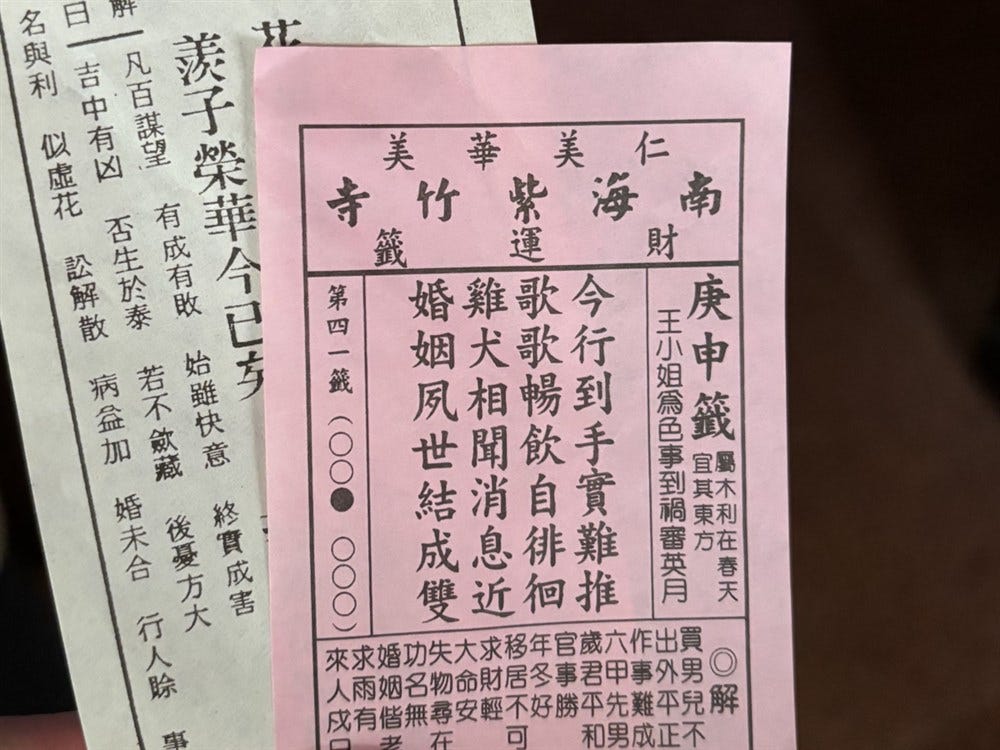
Extra points if you noticed the Taiwanese recycling symbol, debossed into the bottom of the dish. It looks like this:

In my opinion, it’s one of the most perfect symbols ever designed, using the black stroke and the negative space between them to form two sets of arrows, pointing both inwards and outwards.
Pop quiz question 2: Do you also know what this is?
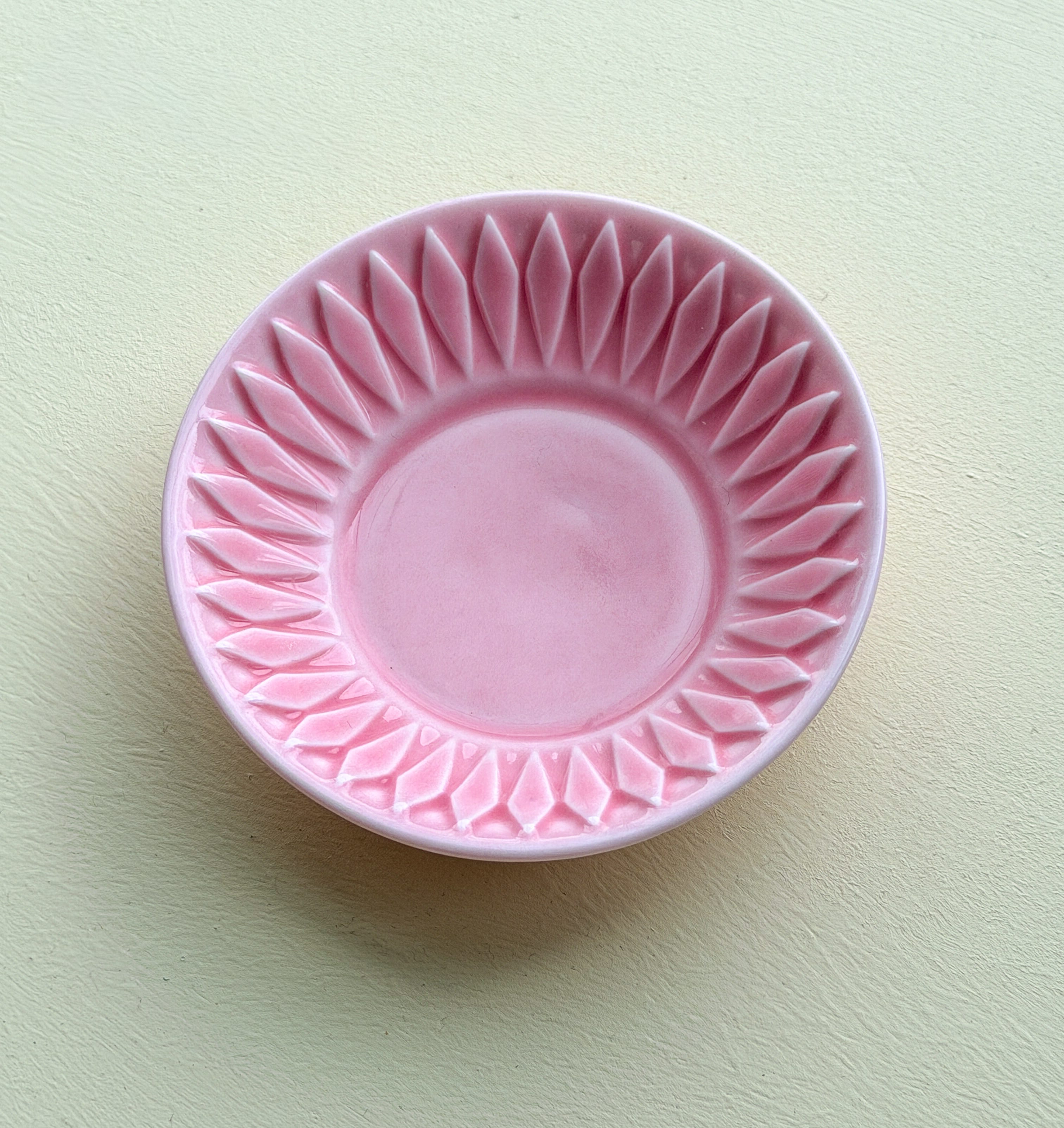
If you said “porcelain version of ubiquitous roadside disposable made by a small ceramics production facility in Yingge,” you would be right, again.
Extra credit granted for recognizing that this shape was not cast from the original but sculpted to match.
Which brings us to bando 辦桌, the Taiwanese roadside banquet, where these unabashedly pink dishes come from.
Roadside Banquet in Taiwan
Bando, or roadside banquet, is a common way of marking momentous occasions (weddings, holidays, births, funerals, et al.) in Taiwan. You’ll notice a large collection of round tables (often red) under a colorful striped canopy, a boisterous outdoor kitchen, and an MC that people may or may not be listening to. Our friends from Good to Eat Dumplings in Emeryville, Chef Tony Tung and Angie Lin, staged one in Taiwan. Watch the coverage at Taiwan Plus for more insight into the significance and vibe of this special dining practice.
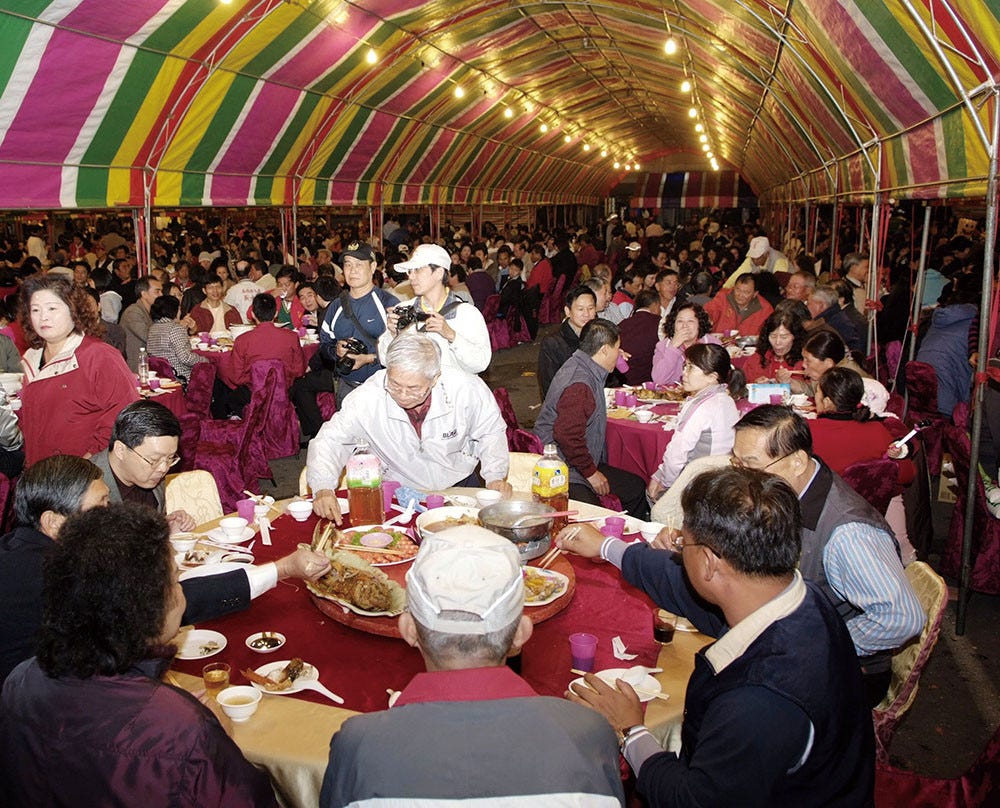
Since writing his vegan Taiwanese cookbook, A-Gong’s Table, Chef George Lee (a longtime friend of the shop) has taken to cooking and studying bando dishes, ingredients and culture. Funded by the Hakka Affairs Council, Bando in the Wild is George’s ongoing project documenting the practice in Meinong, Kaohsiung (where our preserved radishes come from).
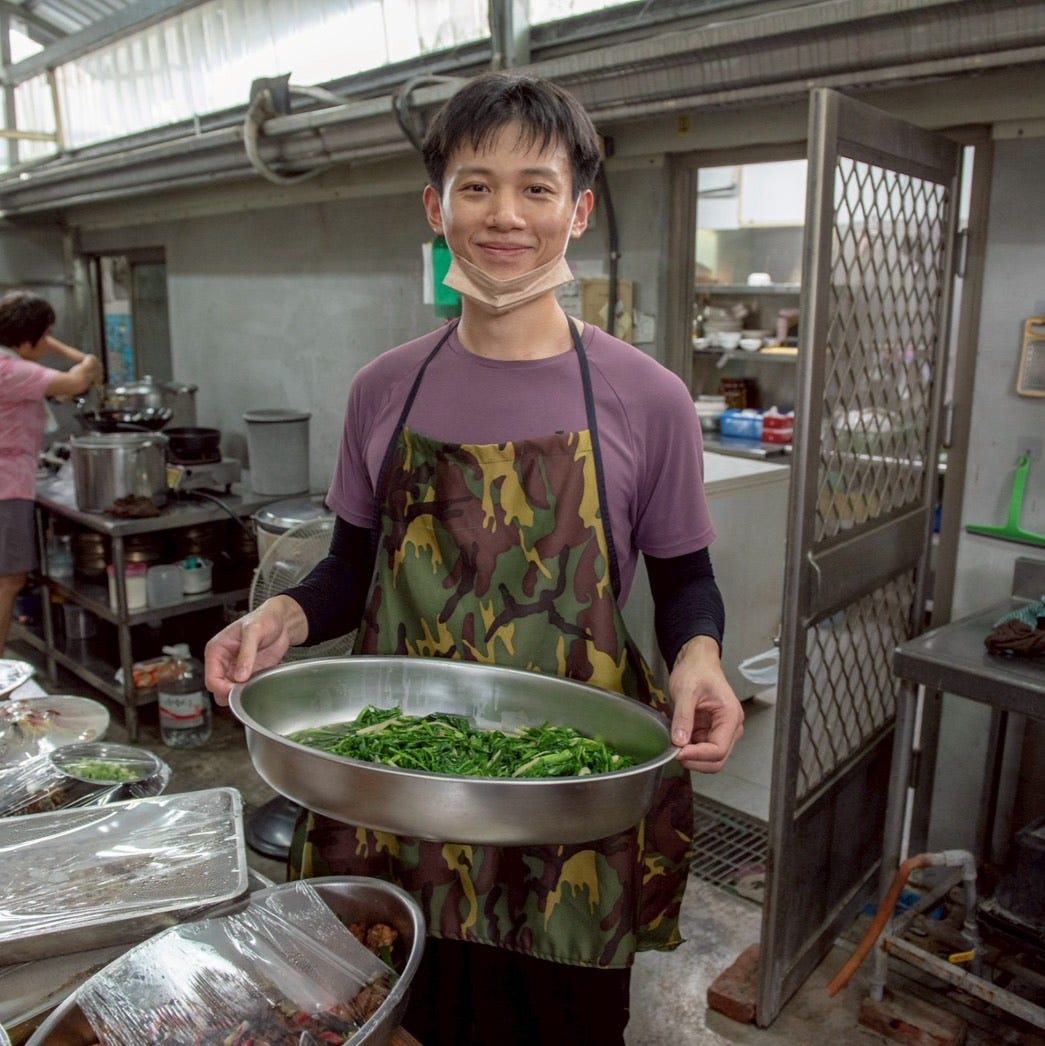
He sent me these images from recent banquets he helped cook:
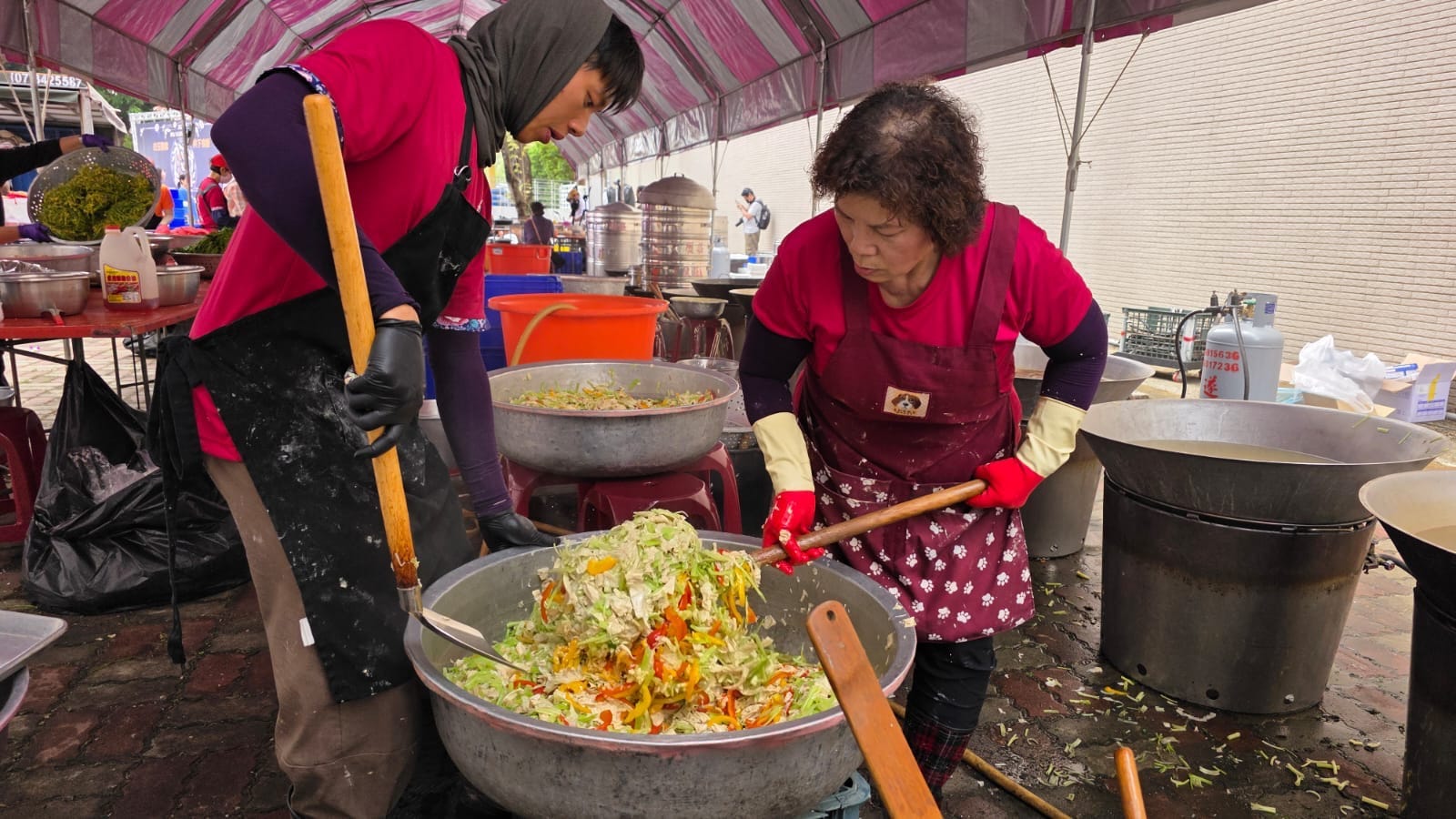
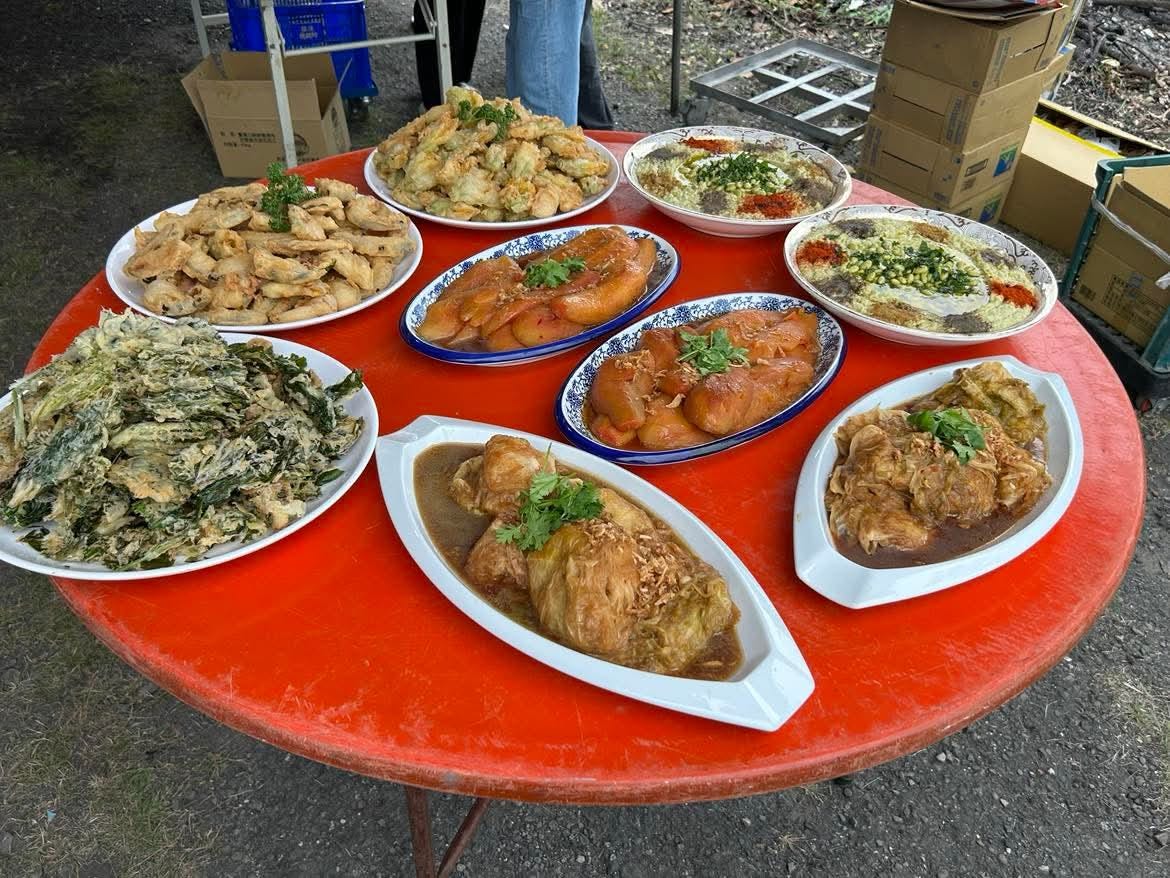
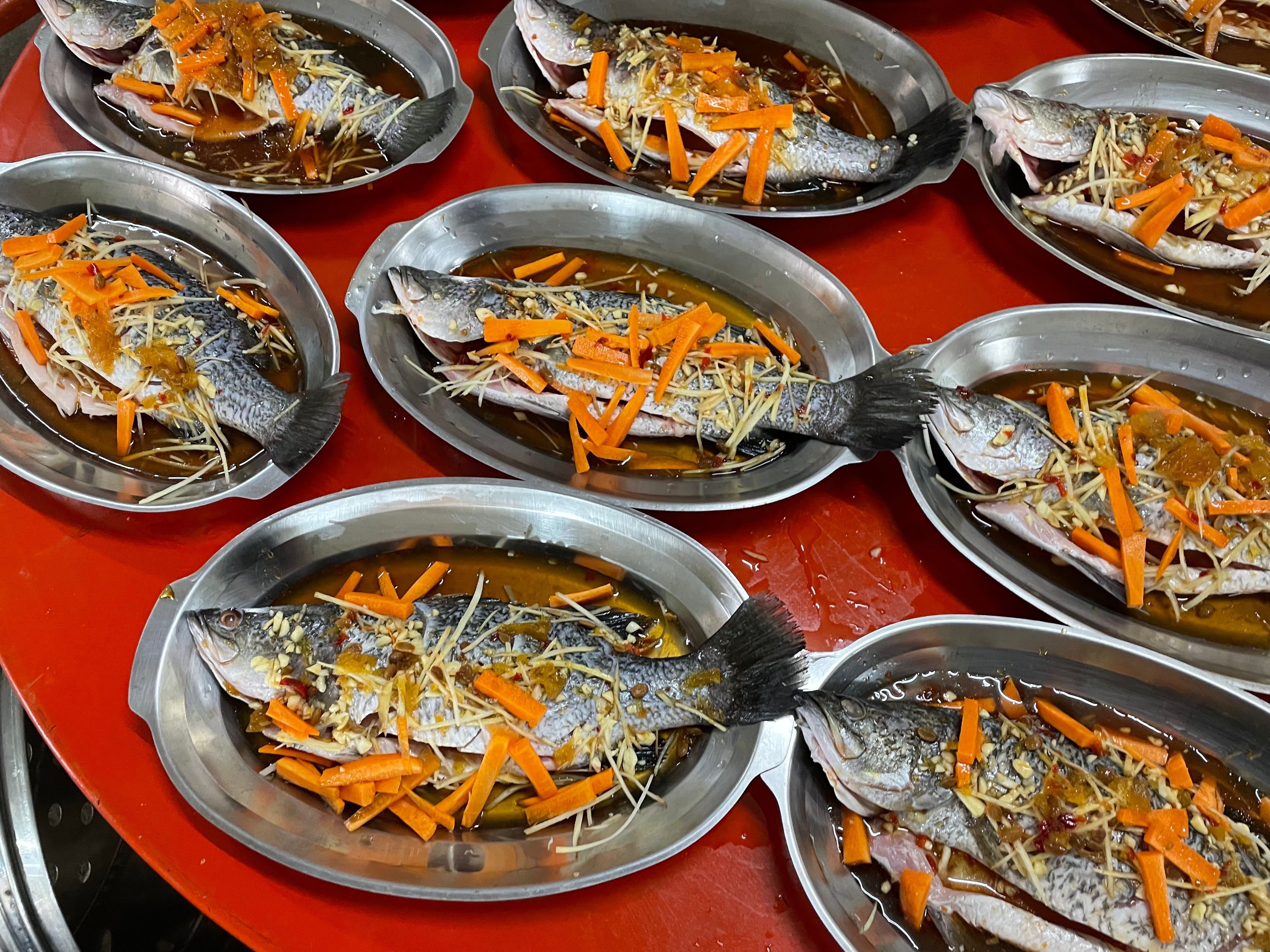
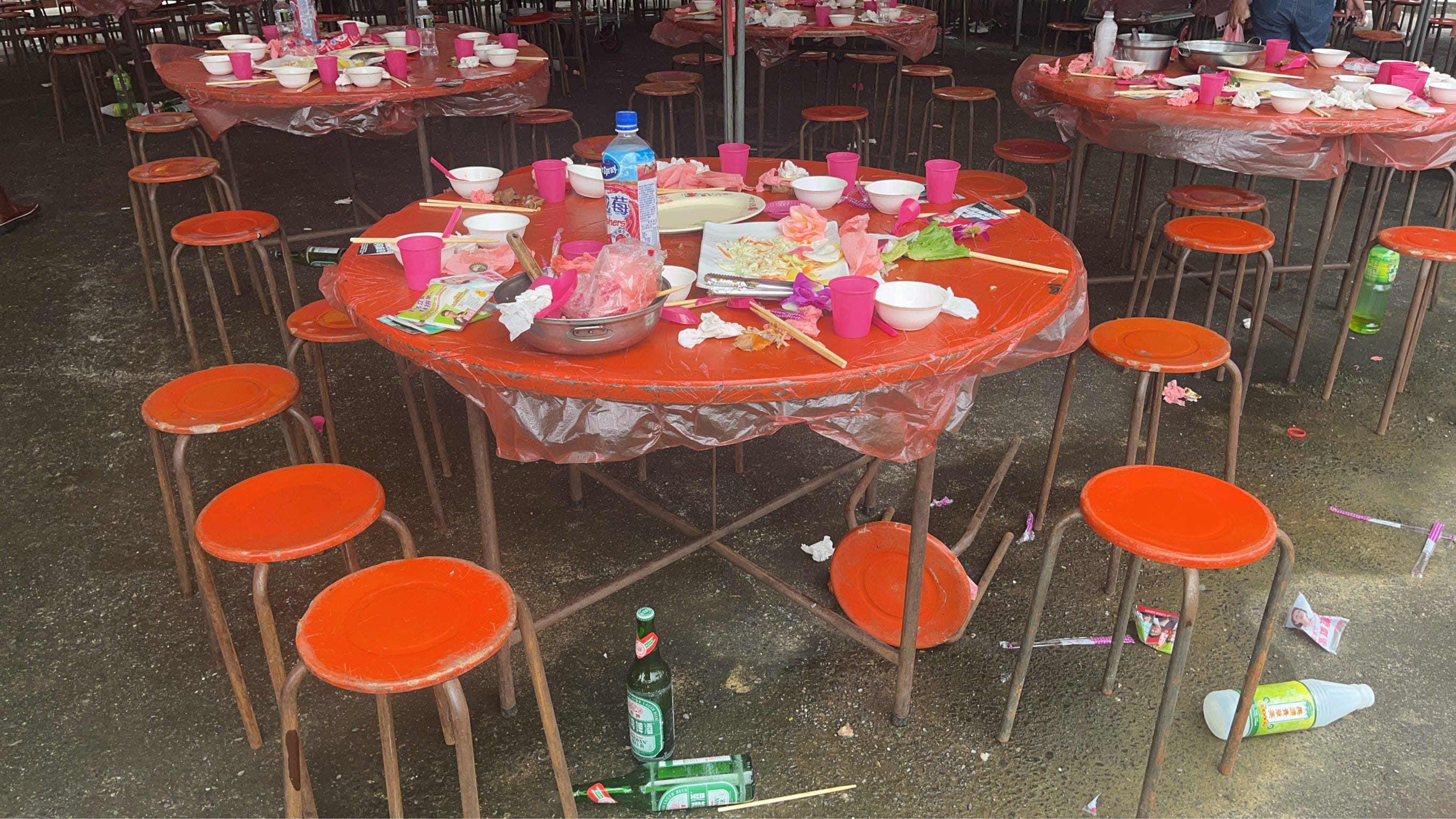
What better person to ask about the significance of this pink disposable tableware, and how it came about?
Bando, in its original form, didn’t start with foldable tables or single-use dishware. Instead, chefs had to gather the infrastructure themselves. Disposables and collapsible furniture came later, and not to everyone's delight.
Liu Jinzhong is a first-generation banquet chef, now 78 years old. Here’s how he described the environment of the bando to George in an interview conducted earlier this year in Meinong.
In the past, banquets used earthen stoves and burned wood. When cooking in a village, we would first trek into the forest to cut bamboo (to make long benches), borrow door panels from house to house, and place the door panels on the small benches to form a long table. Bowls and chopsticks were borrowed from temples. I was a one-man operation, one cook, carrying a knife, a ladle, and a meat hook on my back; nothing else. Back then, when we were apprentices, if we had a banquet the next day, we would go to another village to prepare. At night, we slept on cardboard boxes or on the floor.
In the 1970s, disposable tableware and plastics began working their way into everyday life in Taiwan. In the 1980s, the government promoted them as a hygienic alternative to shared dishes, based on the mistaken belief that the then-widespread hepatitis B virus could spread through sharing meals. It cannot, but by the time that was understood, disposables were firmly part of daily life. The government began restricting single-use plastics in 2002, yet they remain a fixture at roadside banquets today.
Ok, that explains the plastic, but what about the color? George surmised:
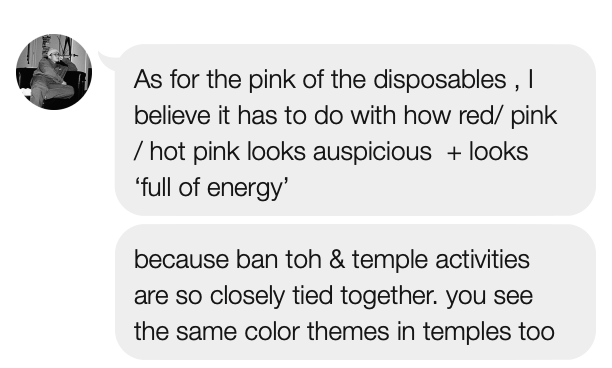
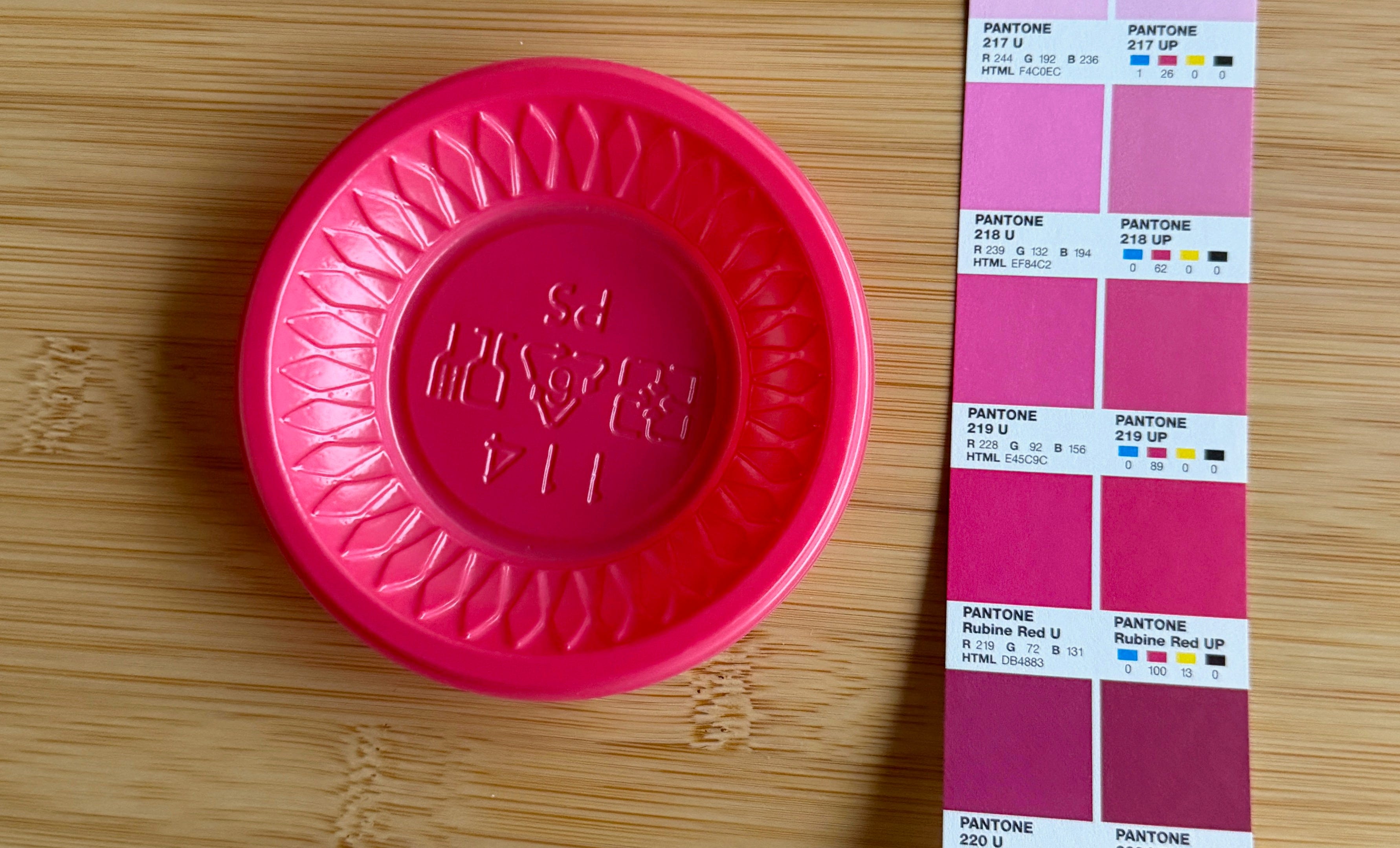
This is corroborated by a group of students from National Tsing Hua University, who have defined the widely appearing color as Taiwan Red, or Pantone 219C.
Lo and behold, it’s pink:
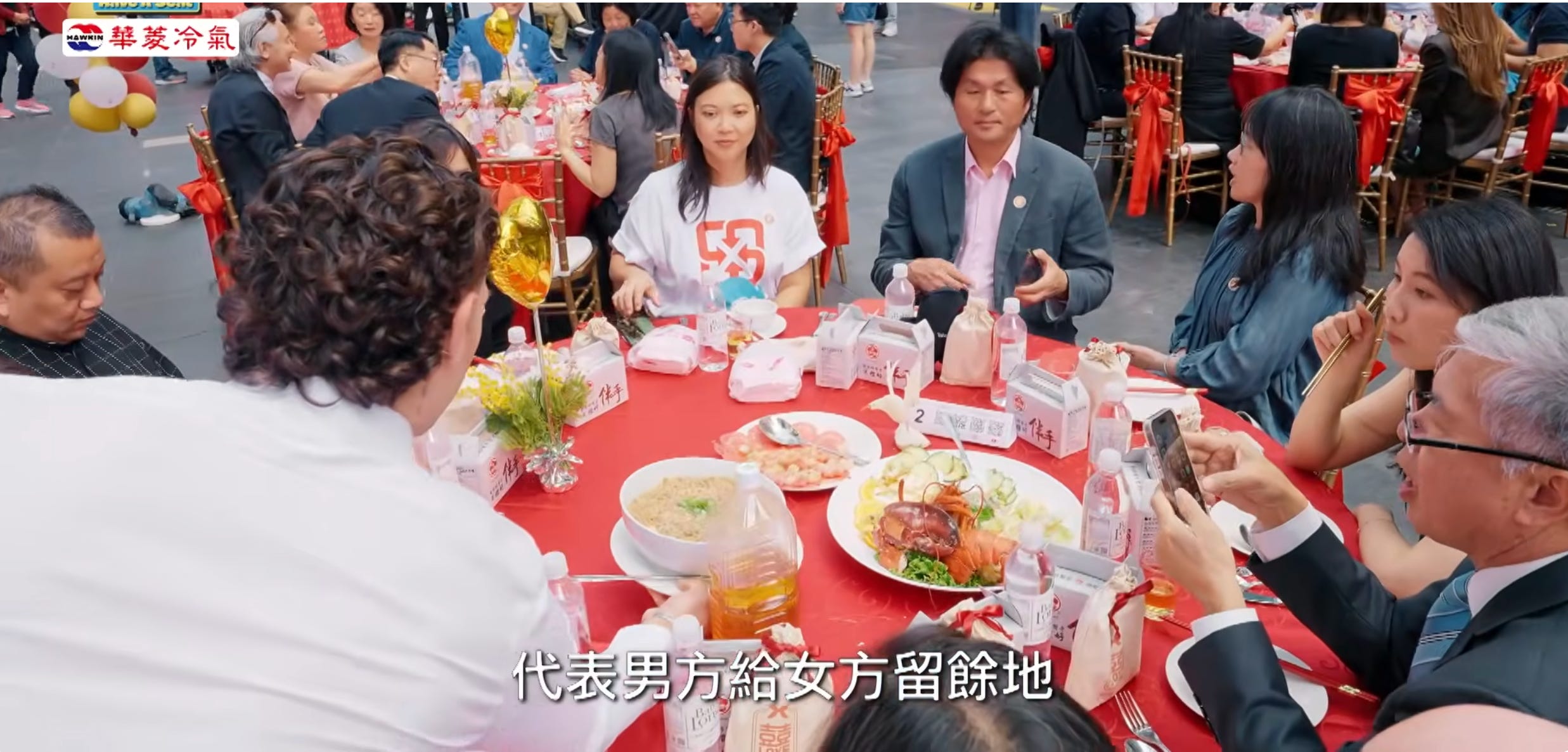
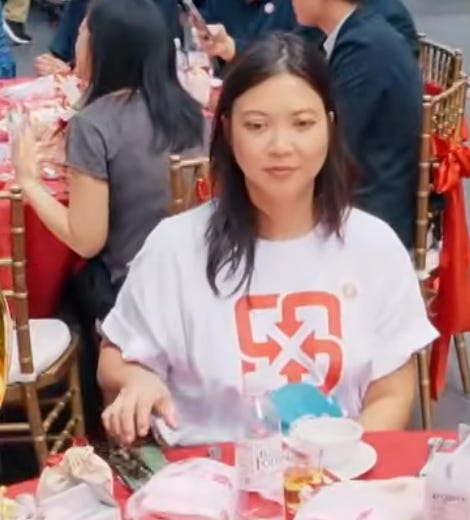
Final tangent before we get into the banquetware: I once attended a bando in New York City hosted by a Taiwanese reality show. I did not fully realize this would be televised, so I grabbed a shirt I had made at a Yun Hai silkscreening class where we used Taiwanese logos and symbols for designs. Guess what was on it?
Porcelain Bandoware by Anta Pottery 安達窯
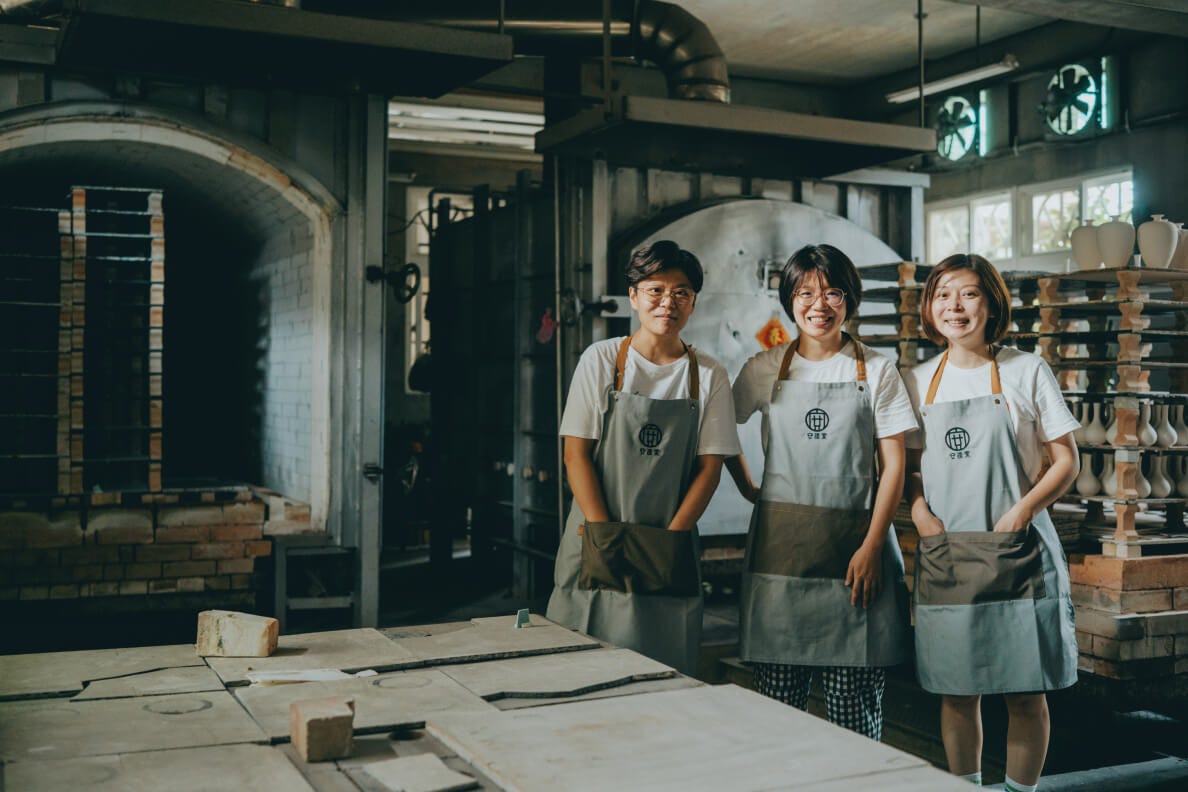
Founded in 1976, Anta Pottery 安達窯 is a family-owned pottery studio based in Yingge, the ceramics capital of Taiwan. Today, it’s run by the second-generation sisters Sun Ying-Xin 孫盈馨, Sun Ruo-Ping 孫若屏, and Sun Zhu-Yi 孫筑怡.
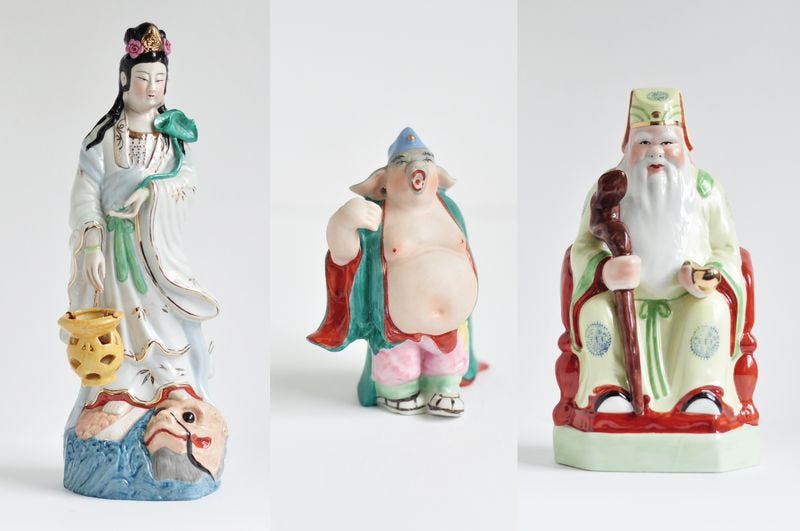
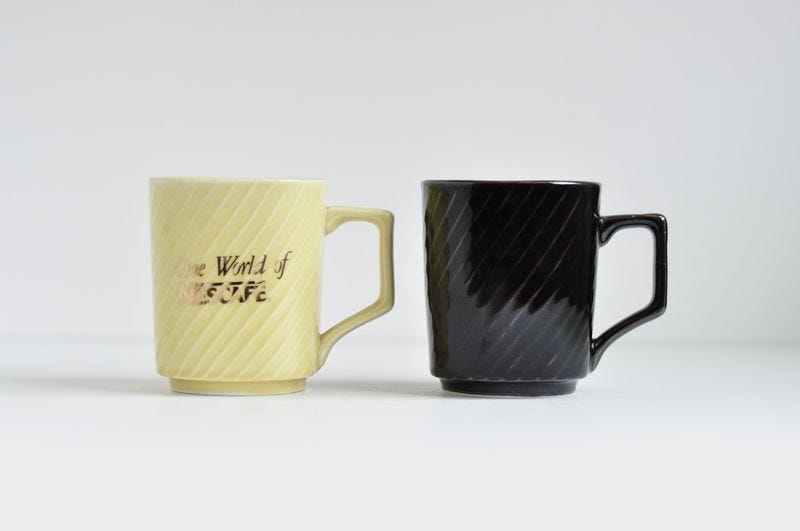
They got their start crafting ceramic Buddhist statues, but later moved to tableware, applying traditional glazing techniques to the scaled production of tea sets, dishes, and other serveware, like this amazing Nescafé mug made in a brownish-black traditional Tenmoku glaze:
Together with RE:LAB, a Taiwanese data science company, they developed a line of porcelain based on the vernacular shapes of the bando disposables. RE:LAB polled Taiwanese consumers to find out what sizes and shapes would be best for the collection, and Anta developed the designs.
Here they are, in white, pink, and celadon:
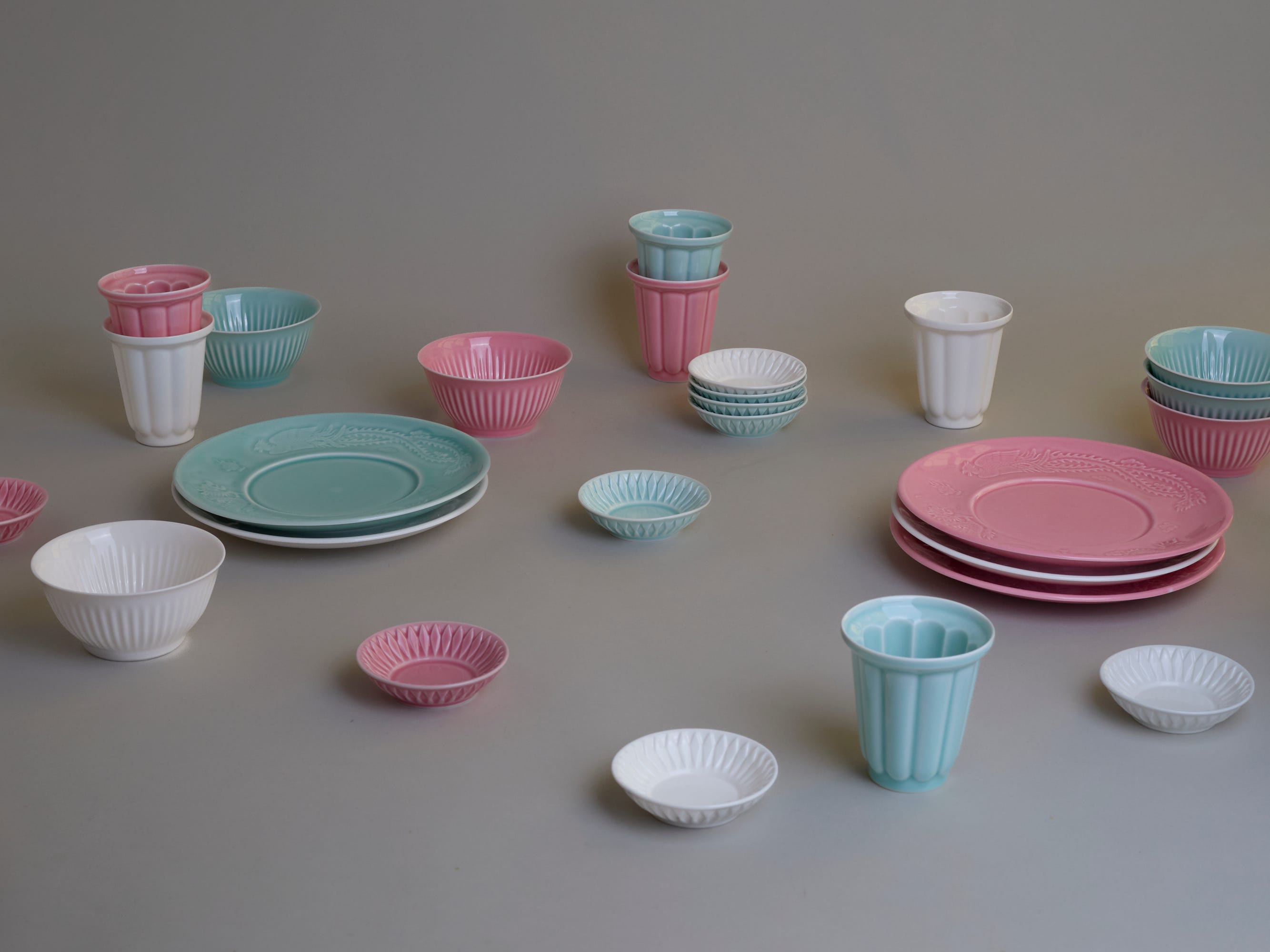
The full line includes sauce dishes, rice bowls, dragon phoenix plates, and flower cups. They come in glossy white, celadon, and pink.
Here’s a rundown:
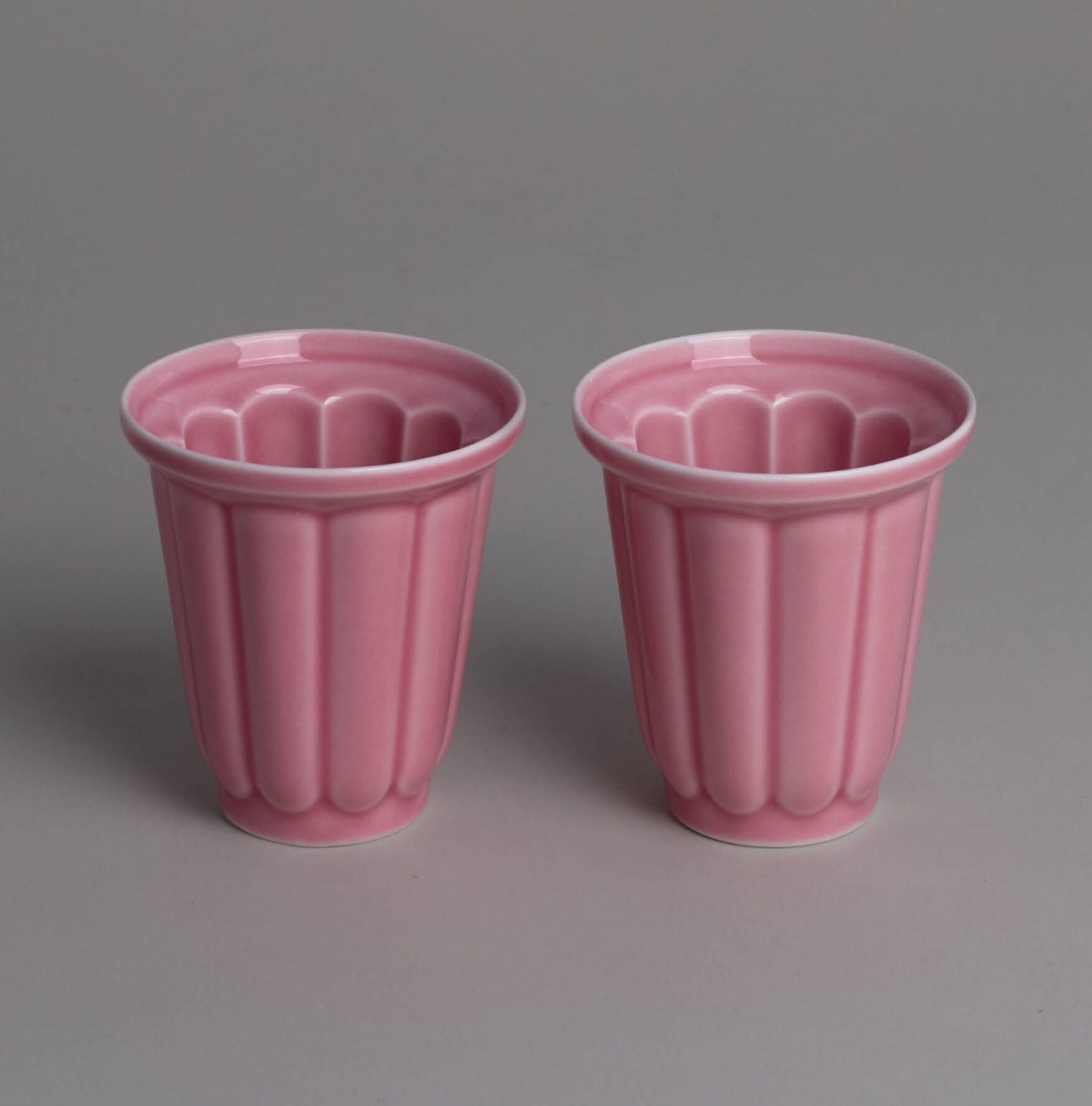
BANDO CUPS
These are scalloped to resemble Taiwan’s national flower, the plum blossom. They’re the perfect size for an individual soft-serve sundae, a wonderful cup for water or sparkling tea, but also excellent for hot liquids. The rim at the top is an easy way to hold a hot cup. I’ve been drinking oolong from mine nonstop.
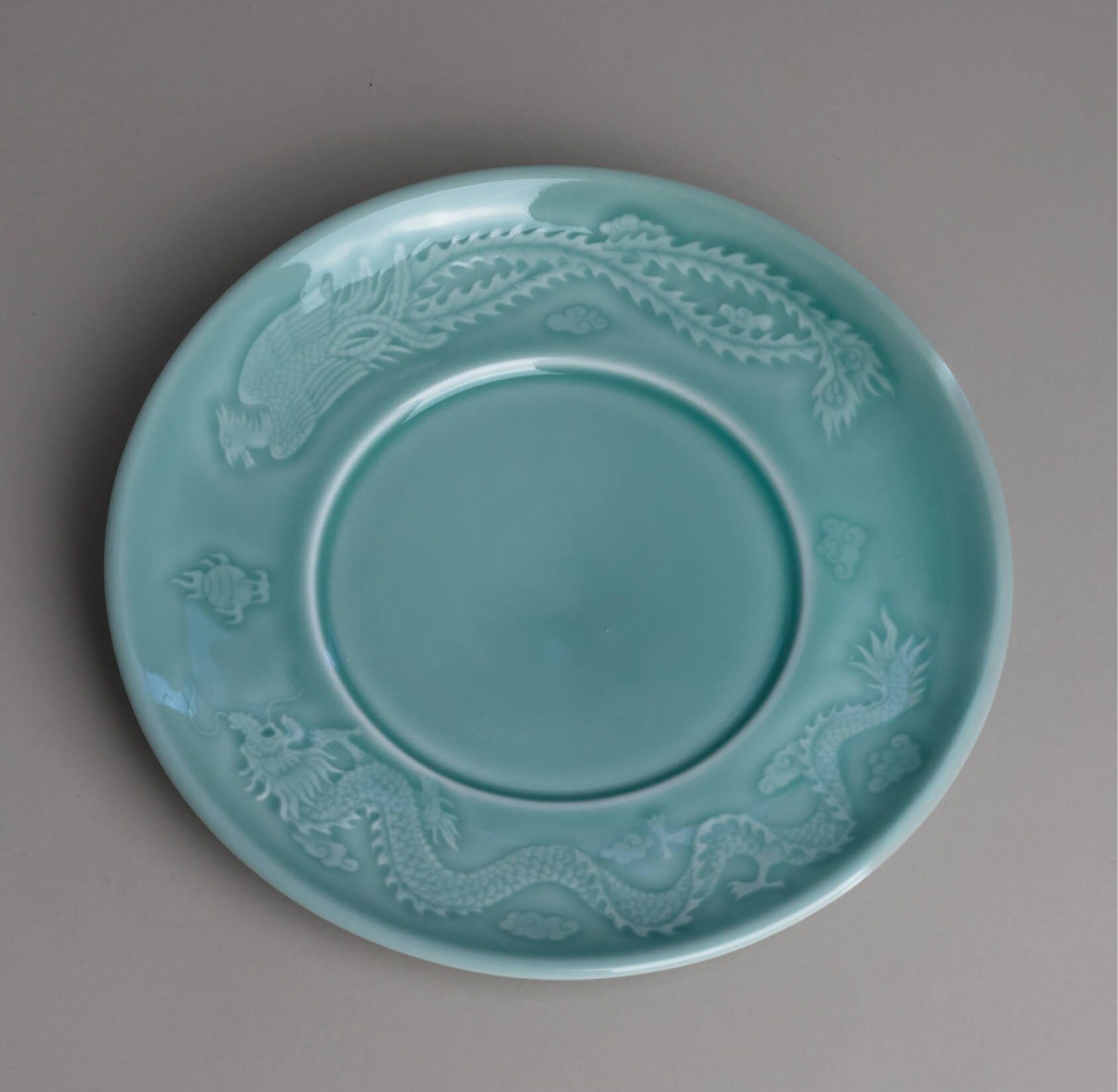
BANDO DRAGON PHOENIX PLATES
I grew up eating at a dim sum restaurant in Houston with a giant dragon and phoenix wall sculpture. The dragon had red Christmas lights for eyes and the phoenix blue. These creatures symbolize a harmonious marriage (anyone getting married soon?) and for me they bring a little of that crazy-eyed-we’re-ordering-a-million-dim-sum-dishes kind of festivity. Note to self for this weekend.
BANDO BOWLS
A versatile bowl sized properly for Asian staple foods: use it to enjoy your daily rice, sip soup, or steam egg custard. Dishwasher, microwave, oven, and steamer safe, like the rest of the series.

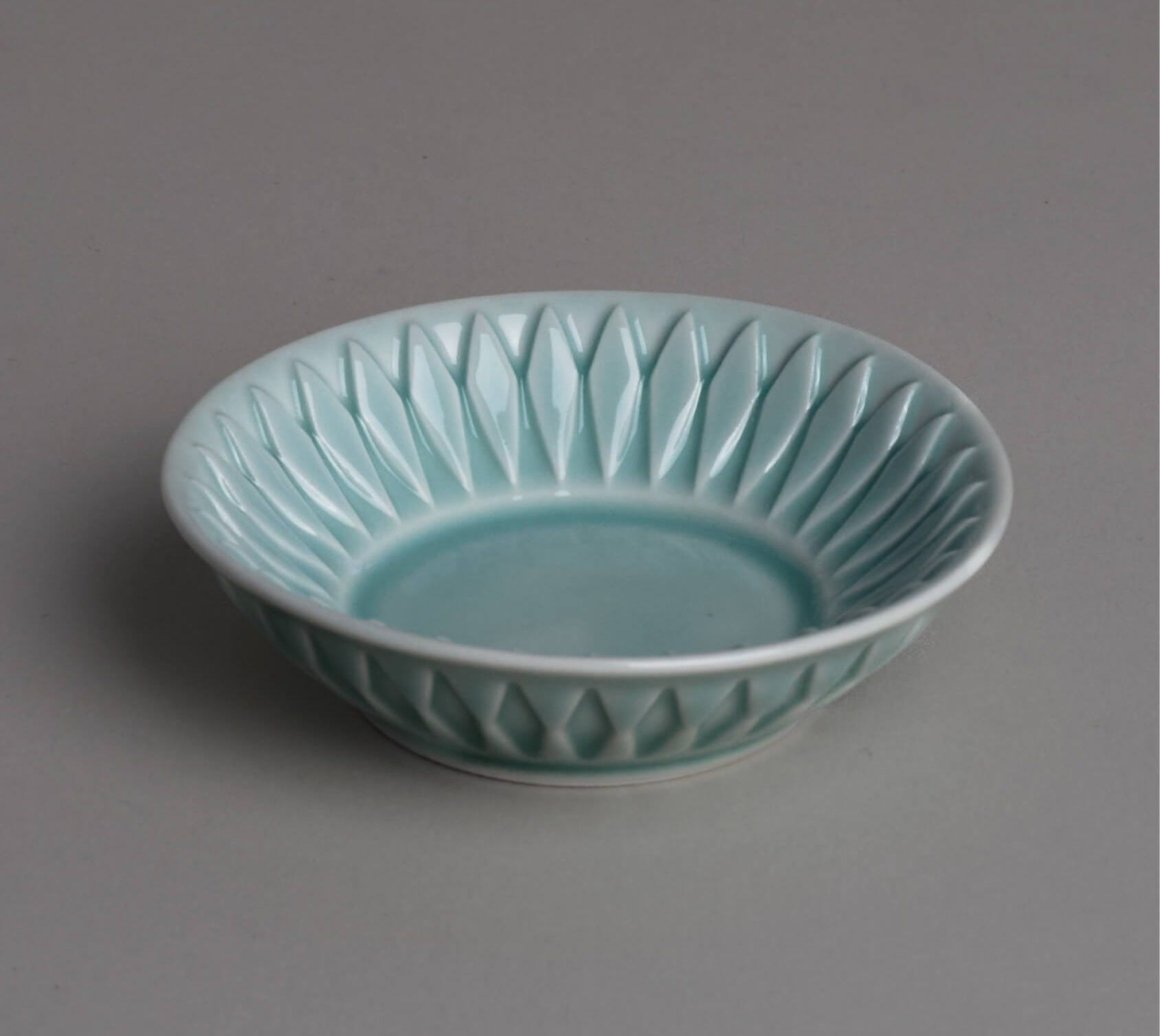
BANDO SAUCE DISHES
A petite and shallow sauce dish, excellent for serving dipping sauces, tea snacks, olives, or pickles. I also use it for Cheetos, thinking I’ll only have a few, then refilling it a few too many times.
BANDO FULL SETS
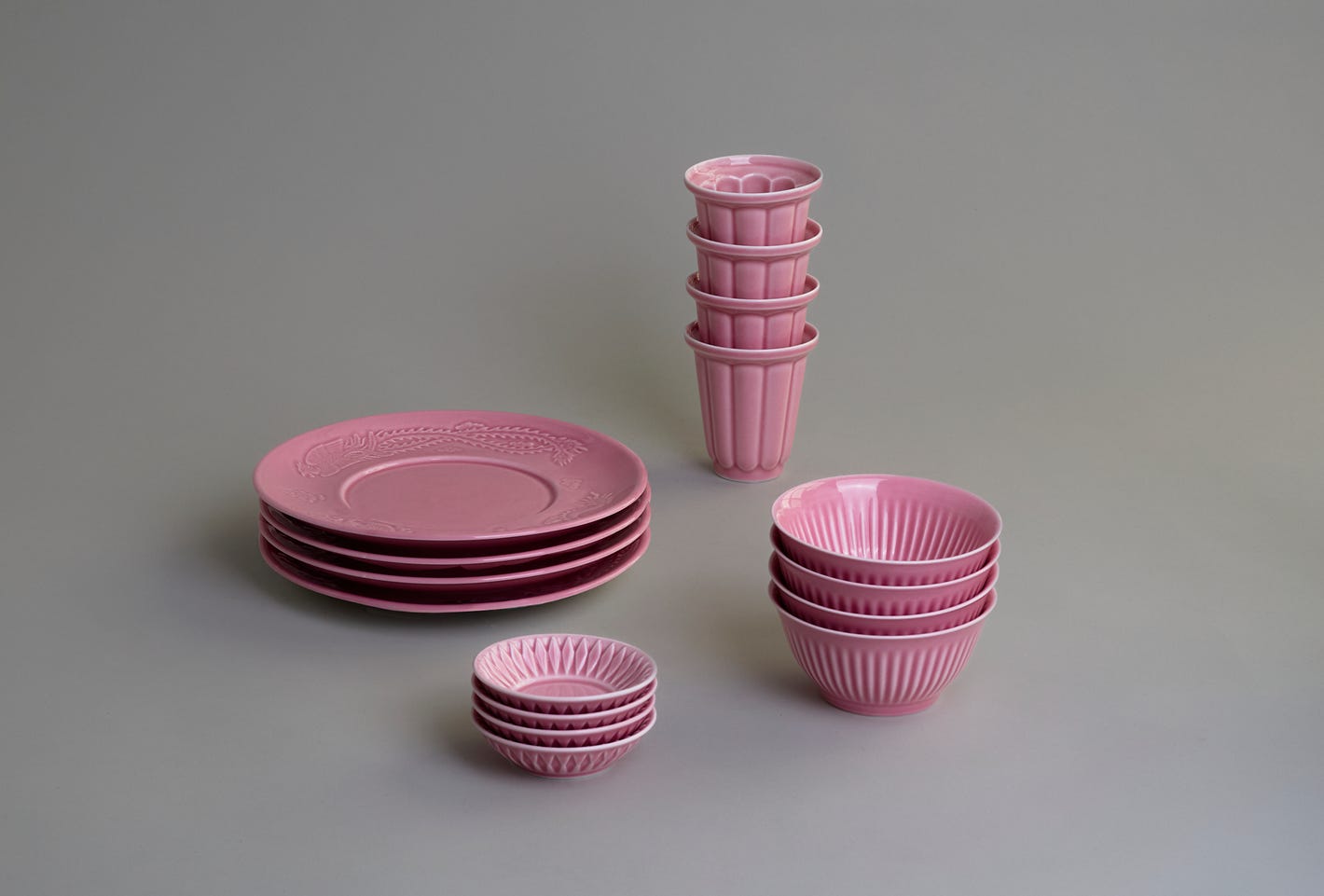
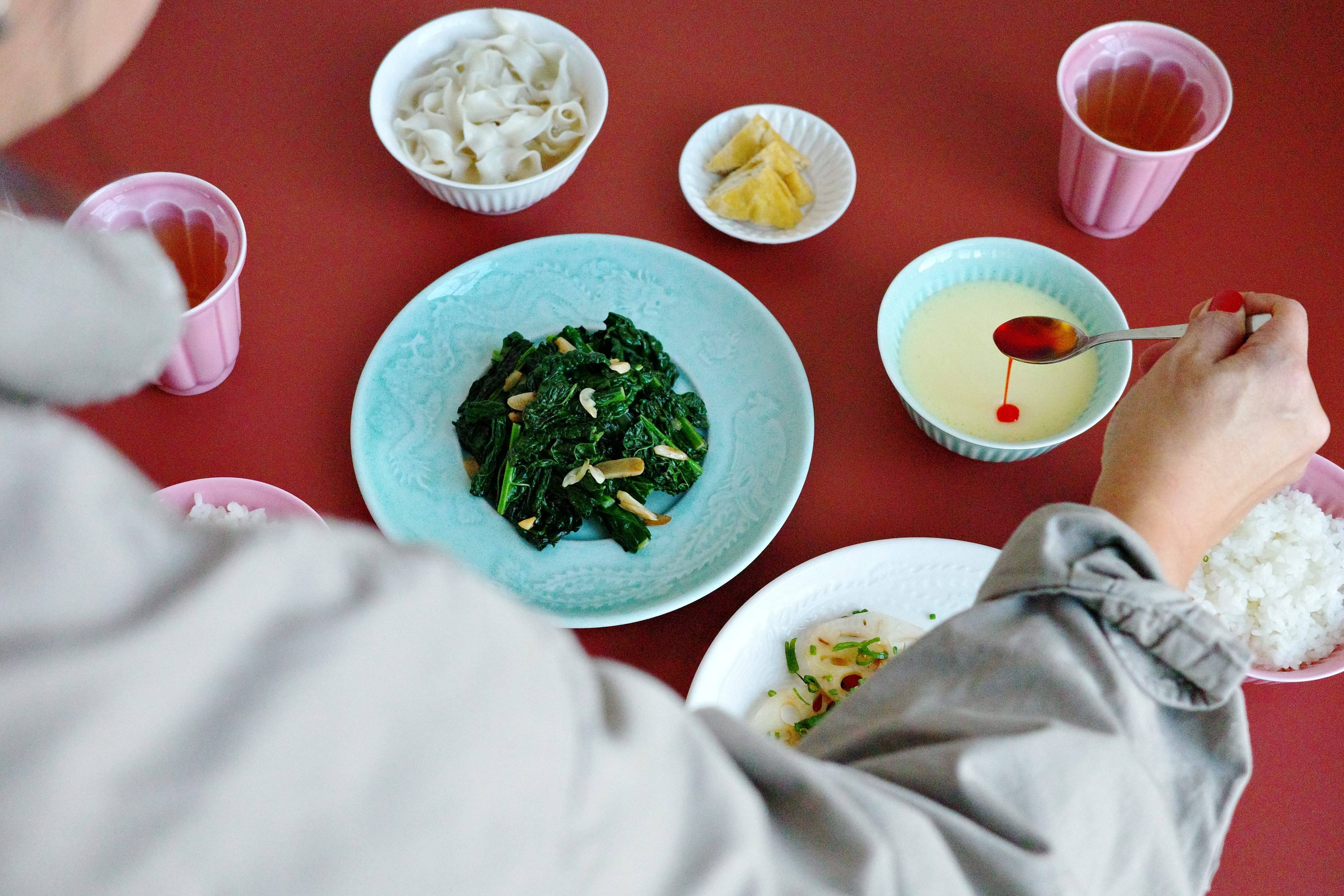
We’re also offering these in full sets for two and four people. They’re practical but also dress up a simple meal. Use the plates as platters for serving stir-fries or steamed dishes, sauce dishes for portioning pickles, bowls for rice and soup, and cups for warm tea. Cozy, cozy, cozy.
How Bando Porcelain is Made
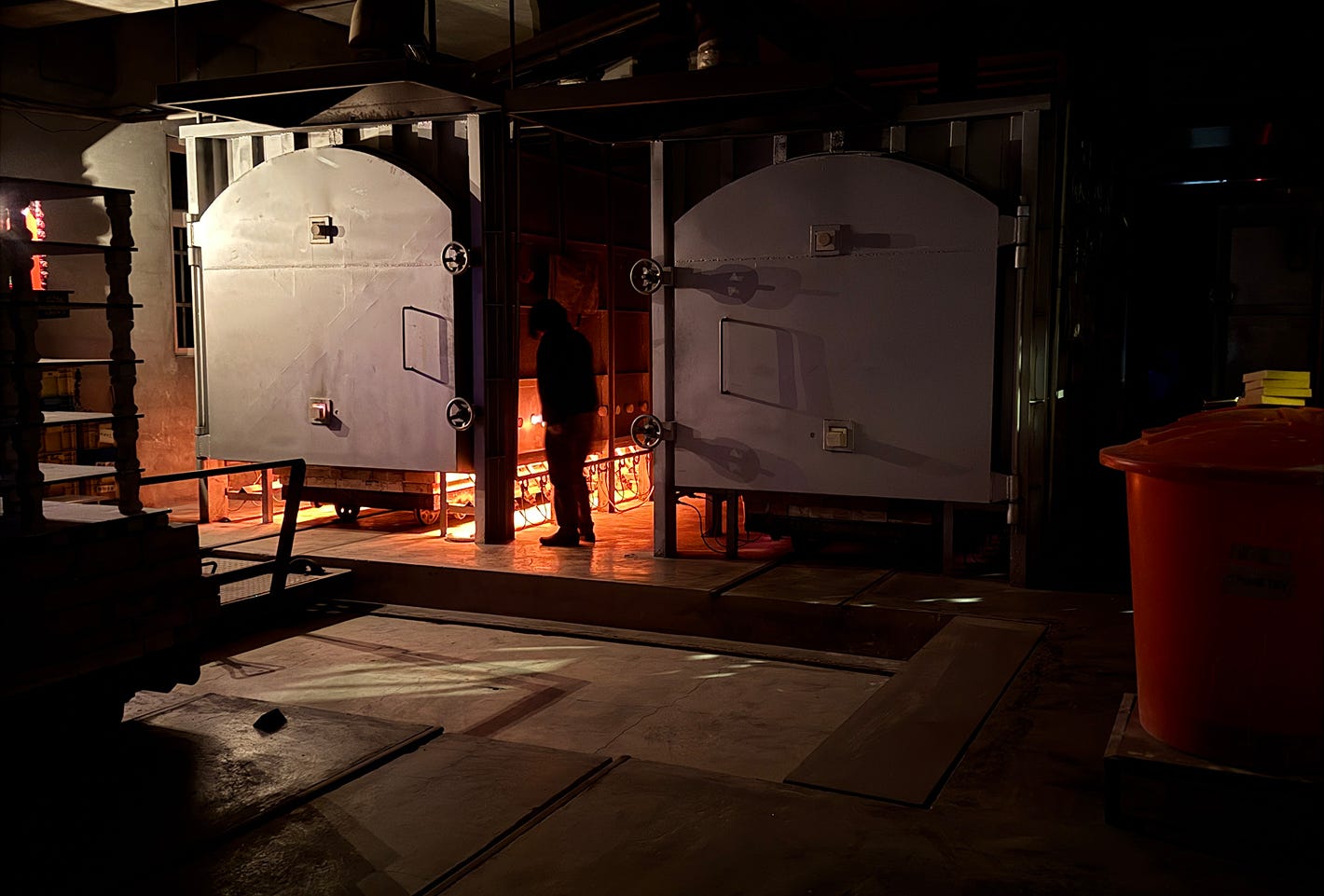
Anta produces these in their signature style: with an efficient and organized production line that prioritizes traditional craft. This mixes modern pressurized casting and a whole lot of handwork, including manning the kiln, mixing the glazes, and touching up each piece. The glazes and forms have a touch of variation, which gives them the feel of the hand.
They sure make kiln work look relaxing:
Every item in this line begins by injecting porcelain slip, a mixture of clay and water, into a porous plaster mold under pressure. The mold absorbs the water from the slip, which firms up the clay.
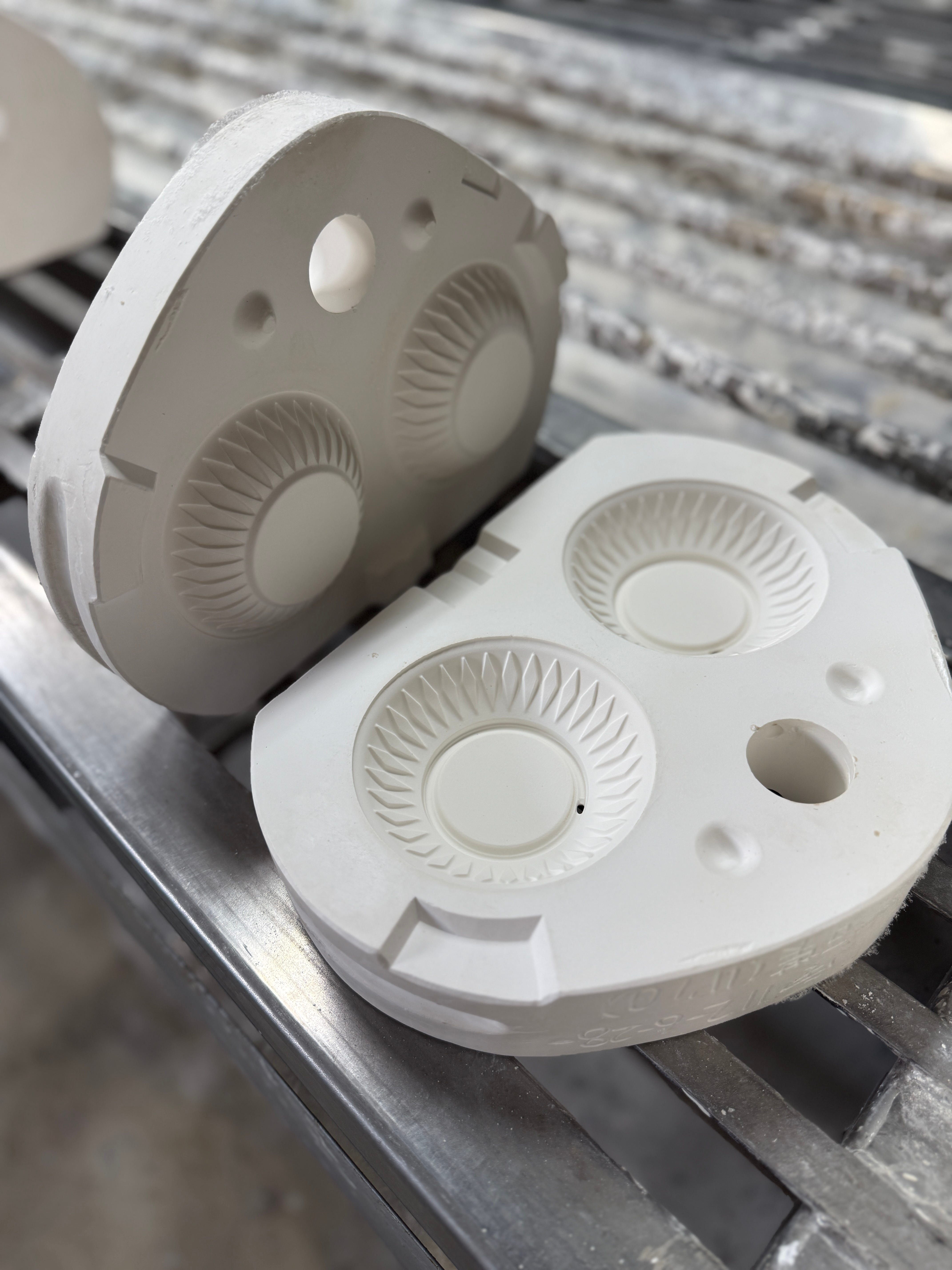
After the firm pieces have been carefully demolded, artisans leave them to air dry for one to three days. At this stage, the unfired pieces are known as greenware. Watch them demold a bowl below—it’s very satisfying and shows just how much work goes into each one of these.
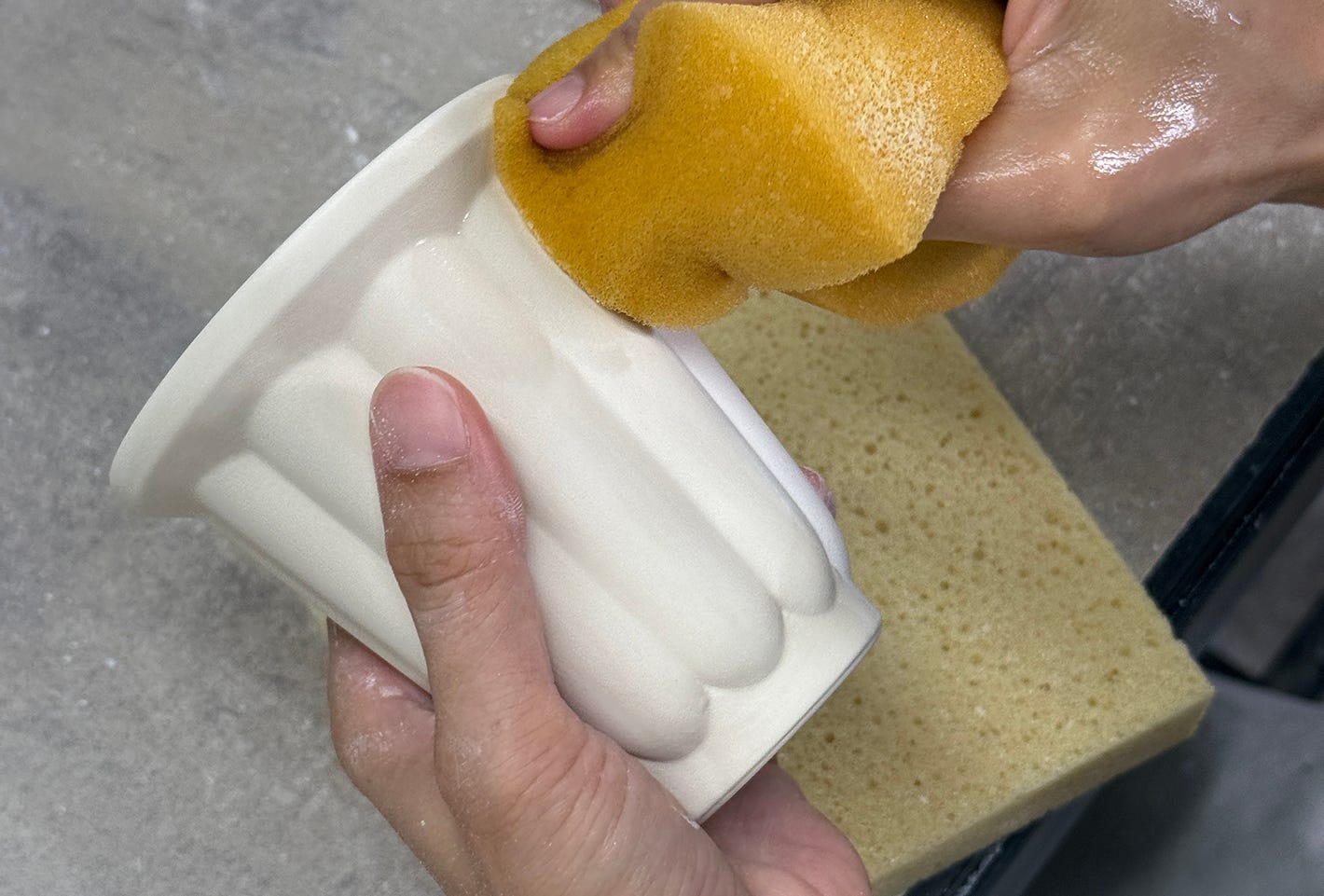
After drying, sharp edges are softened using a water-dipped sponge. Then each piece is sent through the first fire, which bakes the item at 800°C to fix its shape. This is called the bisque firing (素燒), and the fired pieces are known as bisqueware.
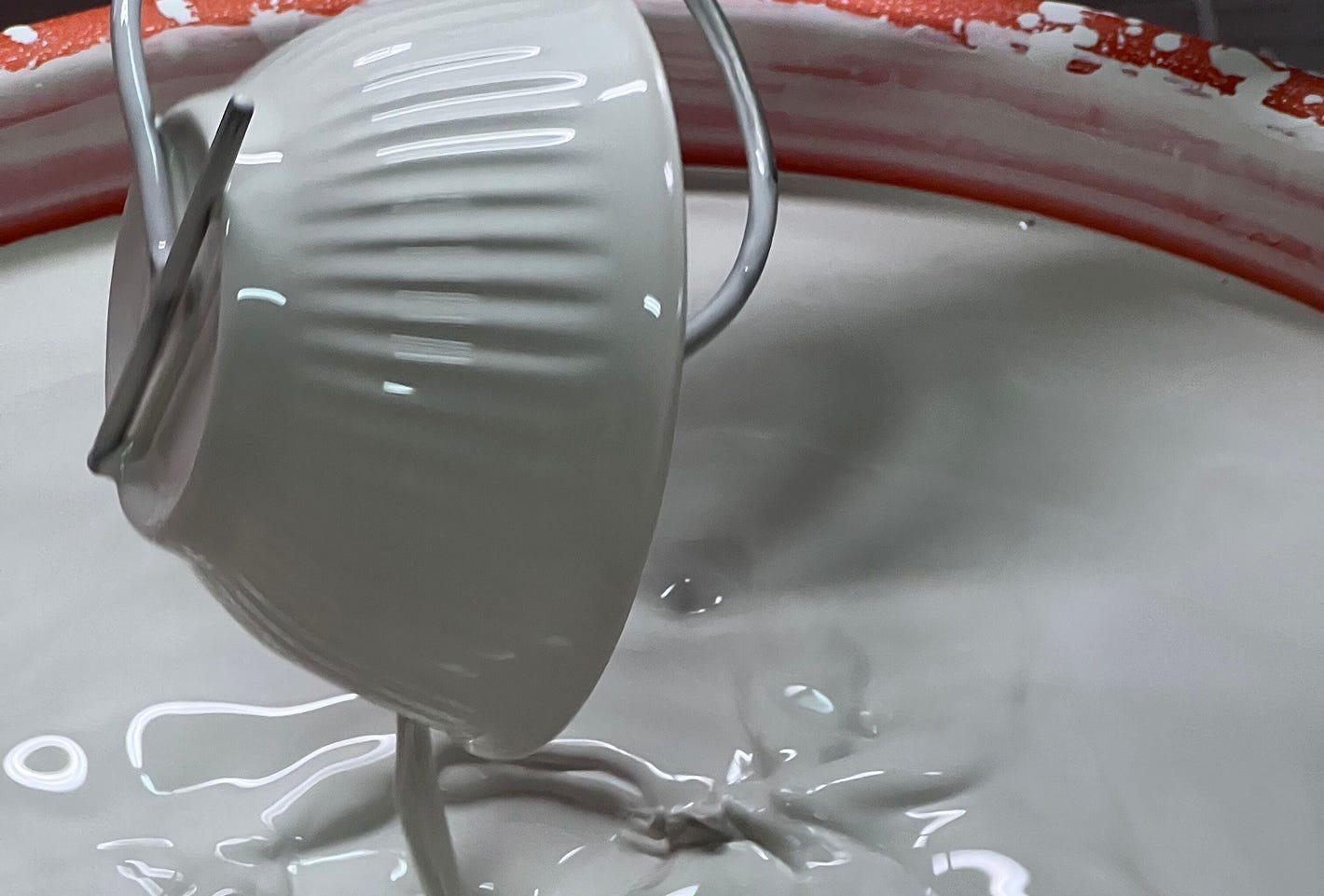
Next, each piece is dipped into a mineral-based glaze, a process called immersion glazing (浸釉). Artisans inspect every piece and fix any imperfections in the glaze by hand.
For the second and final fire, pink- and white-glazed wares are fired at 1230°C and celadon-glazed wares at 1260°C. Each item is left to cool to 100–200°C, about 24 hours, before being pulled out.
And then we eat.
Before I Go…
Here’s a trailer for the next episode of Cooking With Steam, all about Thanksgiving leftovers. Coming next week!
In case you missed it, we just launched our 2027 Lunisolar Almanac, designed in collaboration with design studio O.OO. Read more about the design process (and the new blue color) in our last newsletter.
We’re making our West Coast retail debut! Yun Hai will be popping up at clothing boutique Goodfight in LA’s Echo Park from December 4th through January 8th. Save the date for our opening reception on the evening of December 4th. Details coming soon.
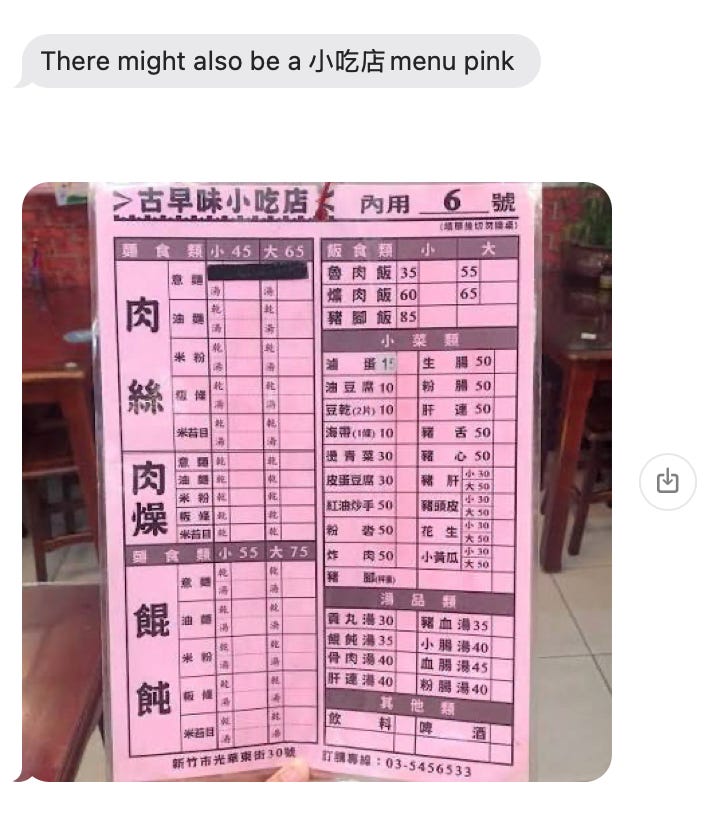
And speaking of bando, our good friends Jessie Yuchen and Nicole Wang have started a supper club called Bando Haus. Look for our porcelain in their videos and at their dinners. In discussing Bando Pink, they suggested there may also be another color to add to the mix:
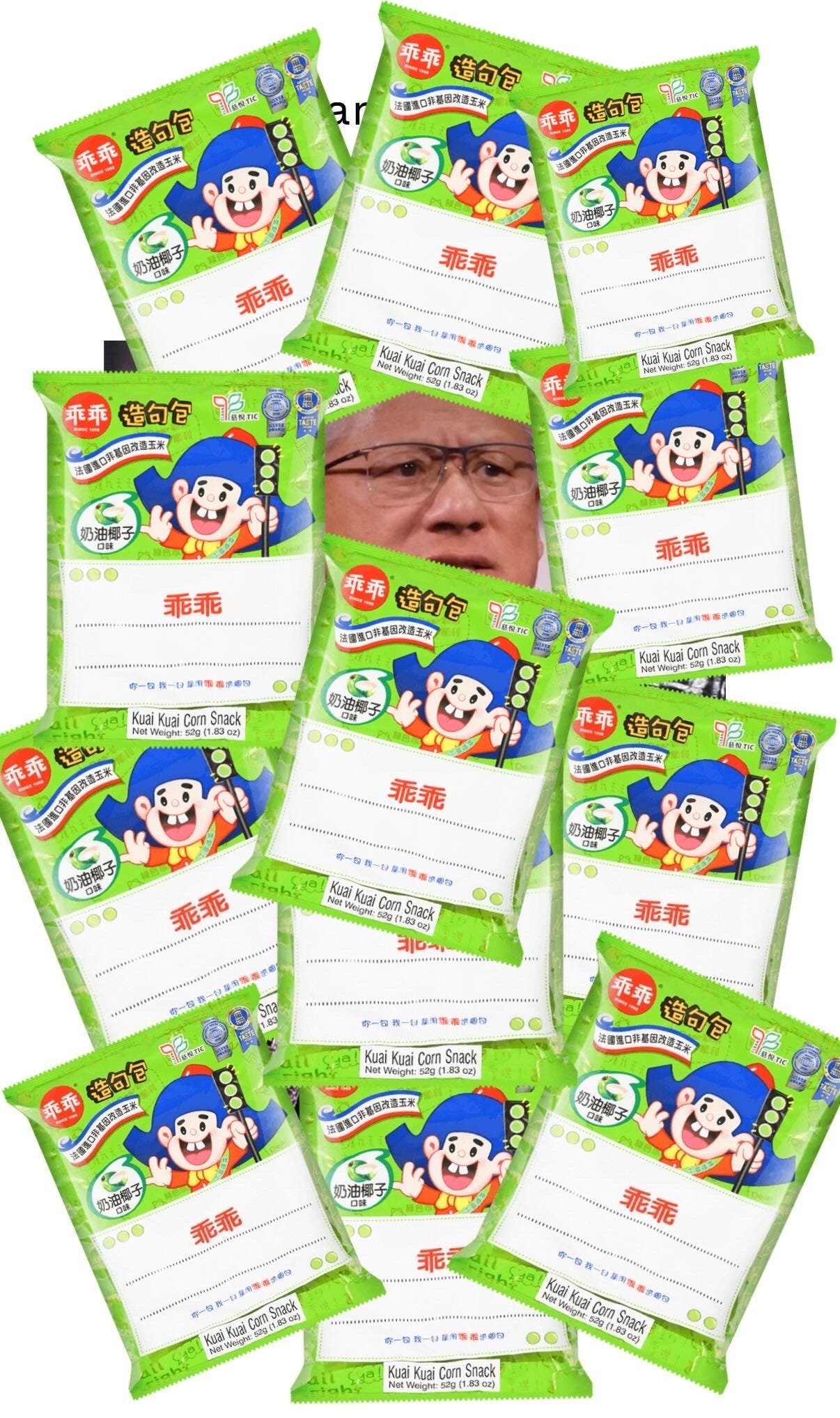
And finally, wtf Jensen Huang? I don’t think Kuai Kuai can fix this, but trying anyway:
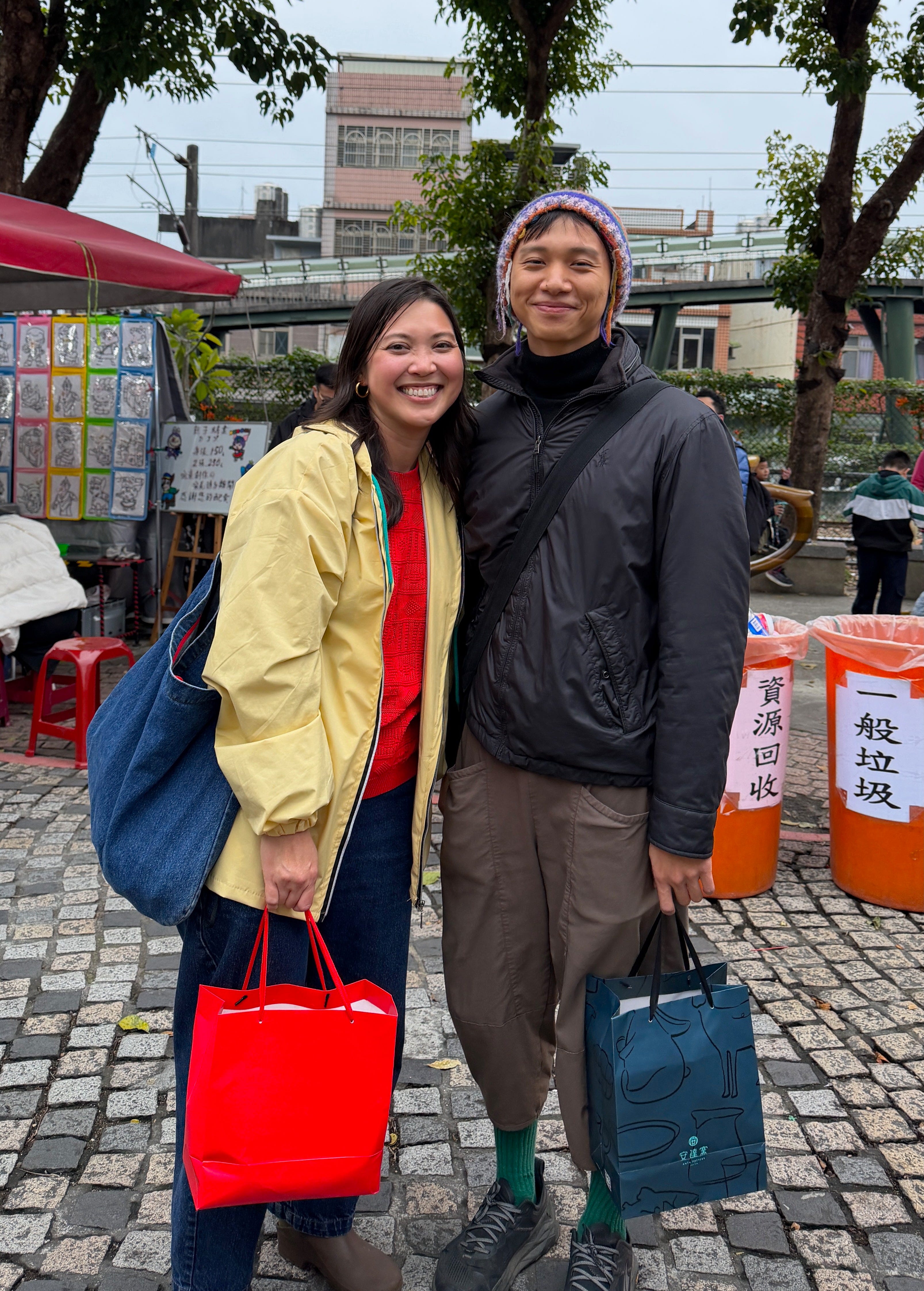
Pivoting from Jensen meme to this cute photo of me and George, with Anta Pottery bags in tow, from last Lunar New Year. Viva Taiwan!
hot pink polystyrene,
Lisa Cheng Smith 鄭衍莉
Written with editorial and research support by Amalissa Uytingco, Jasmine Huang, Lillian Lin, and Natya Regensburger. If you enjoyed this newsletter, please share it with friends and subscribe if you haven’t already. I email once a month, sometimes more, sometimes less. For more Taiwanese food, head to yunhai.shop, follow us on instagram and twitter, or view the newsletter archive.


阿公的圓桌: Braised Tofu of My Heart

A love letter to tofu and George Lee's vegan Taiwanese cookbook, A-Gong's Table.