


Hi, it’s Lisa Cheng Smith, founder of Yun Hai. I write Taiwan Stories, a free newsletter about Taiwanese food and culture. If you aren’t yet a subscriber, sign up here.
This is Studio Notes, a paid series within that newsletter. It’s an informal exploration of the things on my desk—cultural references, first-hand research, and archival material—all in relation to how we tell stories, create spaces, and design products at Yun Hai. Your paid subscription supports the free newsletter and our cooking show, Cooking With Steam.
To celebrate my return to writing and an eventful spring season, this one has no paywall!
Time flies when you’re having fun…or working hard, as the case may be. It’s been too long since I’ve written. Almost six weeks! Happy belated AANHPI month! Happy Pride! Happy Dragon Boat Festival (p.s. we have three kinds of zongzi in store this month, eeeee)!
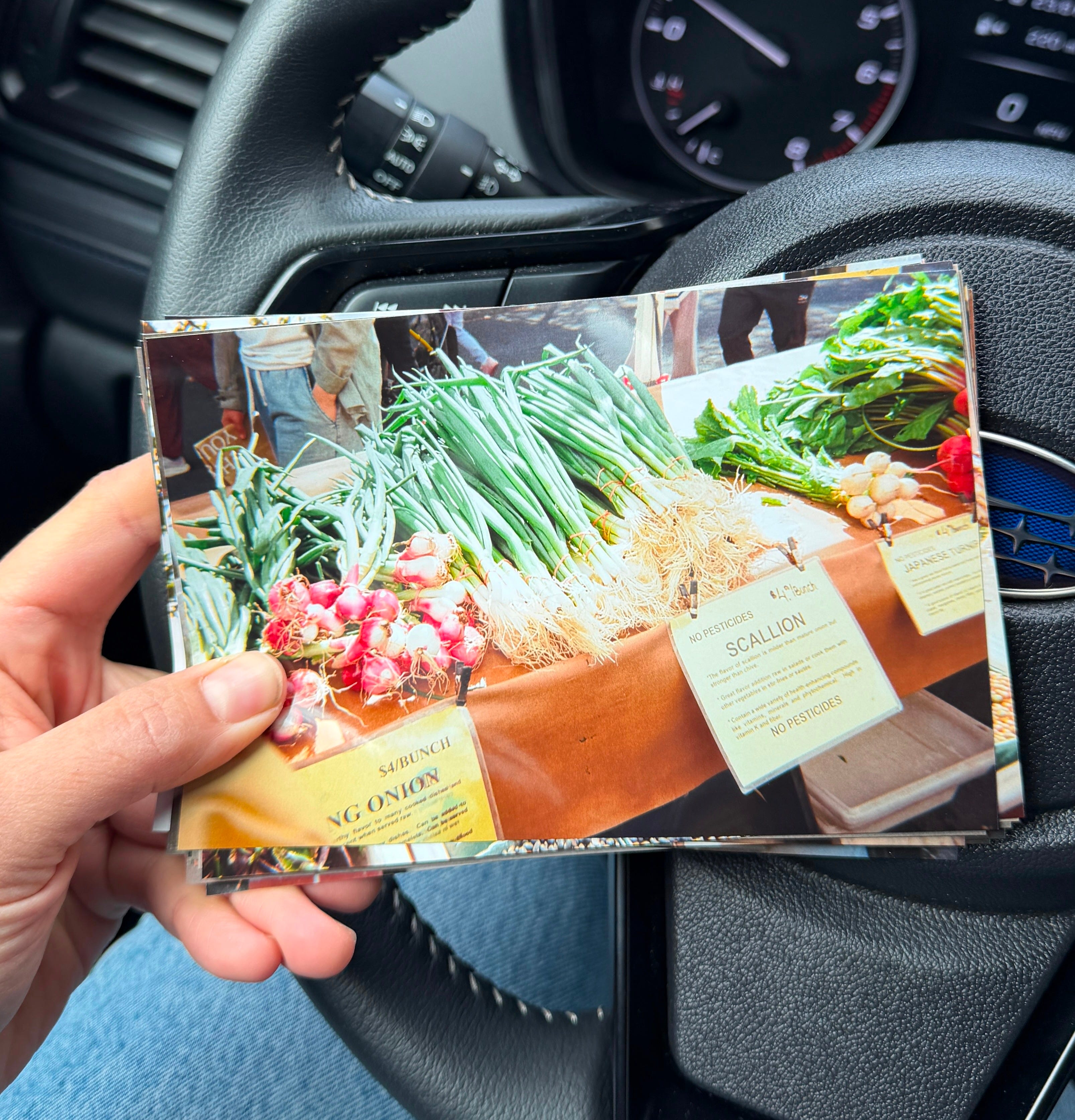
We celebrated heritage in full force this season: our most eventful spring ever, with six events in as many weeks. They ranged from Taiwanese cultural festivals in SF and NYC to afternoon tea with Rose’s Pineapple Shorts and Lucas Lee Ho to a Taiwanese Waves album swap. I’ve also jumped headfirst into final preparations for the production of Season 3 of Cooking With Steam, our self-produced Taiwanese cooking show.
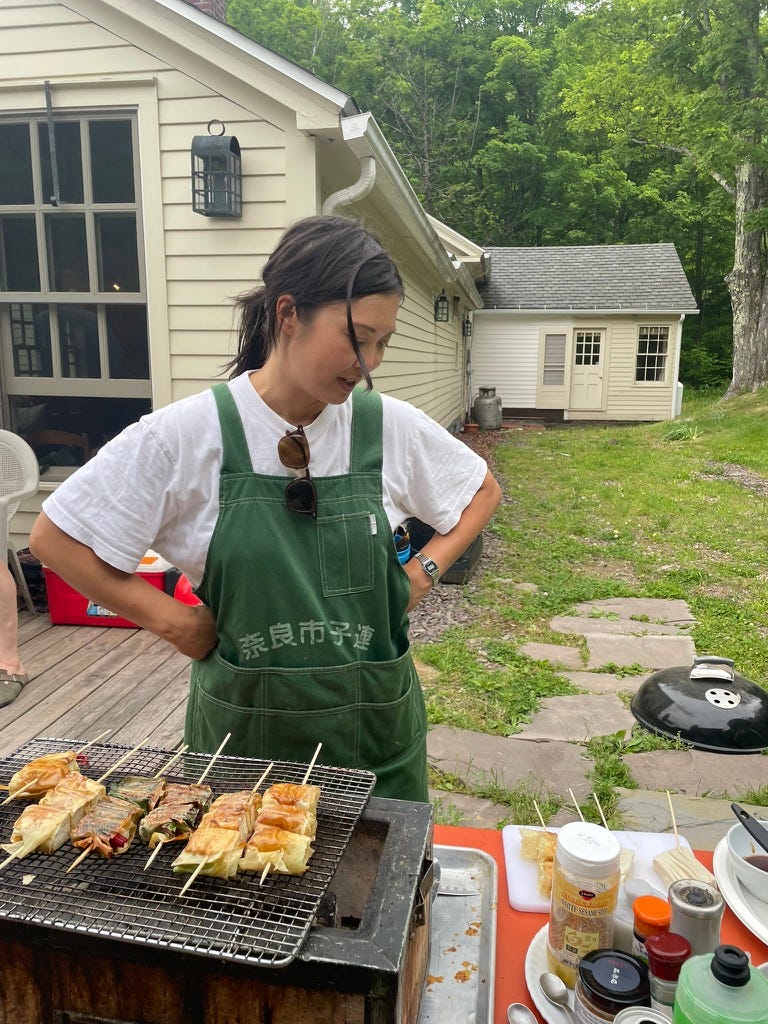
This year’s season explores Taiwanese festival food, from Taro cakes for Ghost Month to classic Lunar New Year dumplings. Here I am testing out ideas for a Mid-Autumn BBQ. Hint: it involves bean curd.
We go on set next week; break a leg (can I tell myself that?)!
I’ve been thinking about what it means to be a heritage food purveyor, what our responsibilities are (culturally), and how to more meaningfully connect our work (importing food) to the place that I live (New York).
We’re told that eating local is one of the best things we can do, but immigrant foods are often from afar. This advice may box them out. It’s also not ok to look only towards the specialized, rarified, and faraway, as I’m tempted to do. We cannot consider the food we eat in any context other than the entire world itself.
How should we eat in a world where Taiwanese food was once restructured by a government-coordinated effort to recenter it around American surplus grain? Where US trade policies and wartime fuel surcharges make it harder and harder to successfully bring in culturally resonant foods, not to mention affordably?
I’ve long wanted to connect participation in our local food system with Taiwanese agriculture in a directly intentional way. This past month, we put our collective efforts towards that, staging several events exploring international agricultural solidarity from the vantage point of a heritage food purveyor in America.
In late April, Enoki (best little Asian grocery in Saugerties) hosted We Are a Bean People, a soy sauce talk and tasting with Shannon Lee—founding editor of The Amp at Asian American Arts Alliance, the editor of Artlab Editorial, and a dining critic for Times Union covering the Hudson Valley—and me.
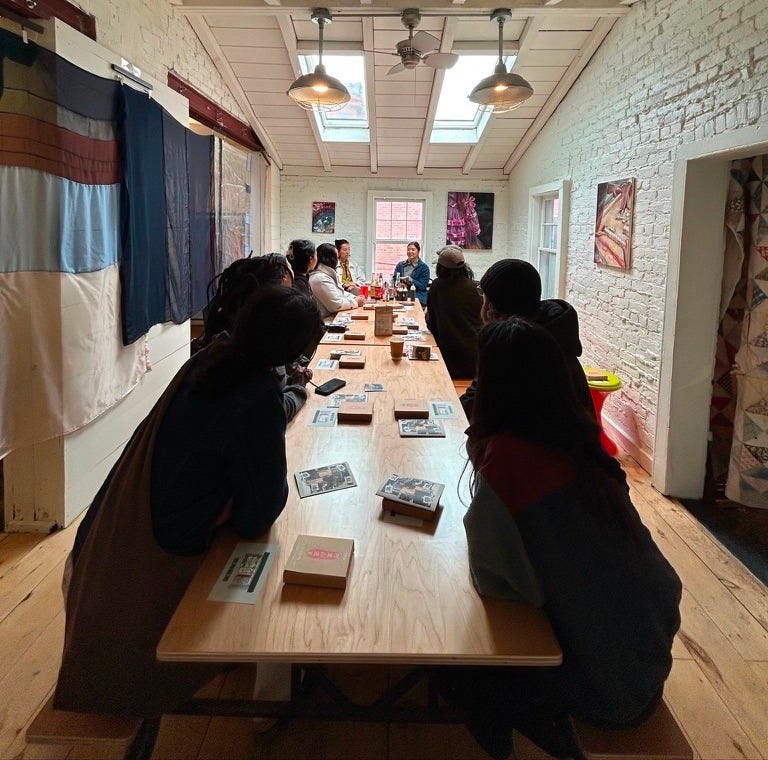
In this intimate event on a rainy day, we explored the humble soybean as a foundational and magical ingredient across Asian diasporic cuisines—linked with fermentation, craft, and longevity—in opposition to its negative association with American agribusiness here.
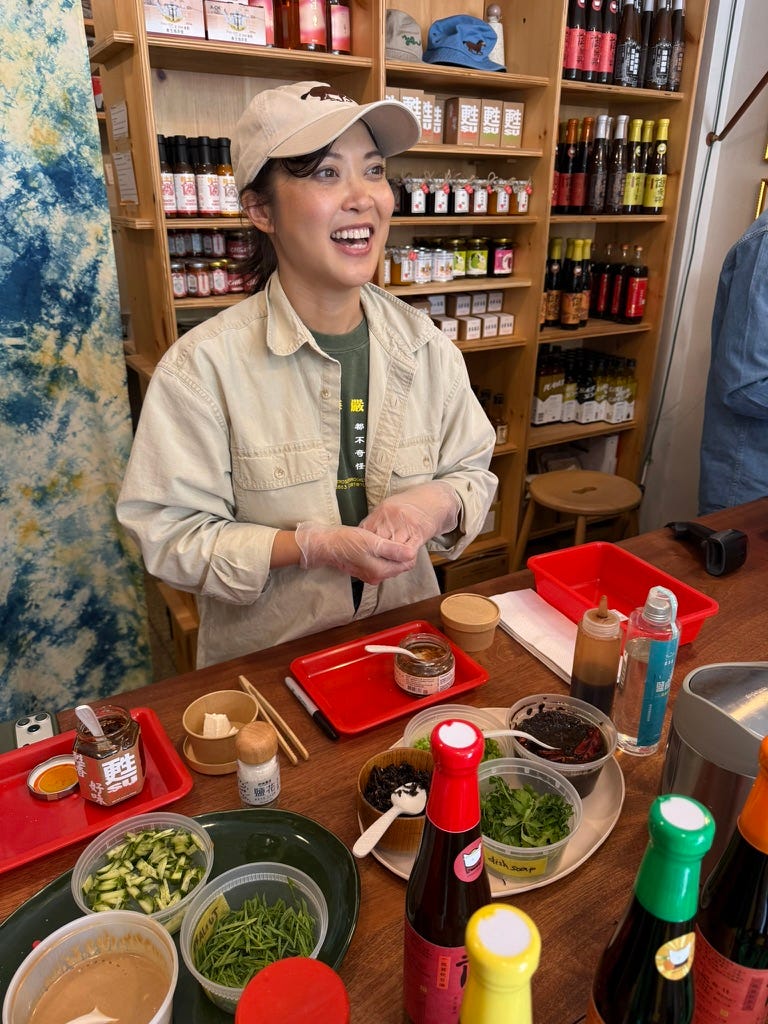
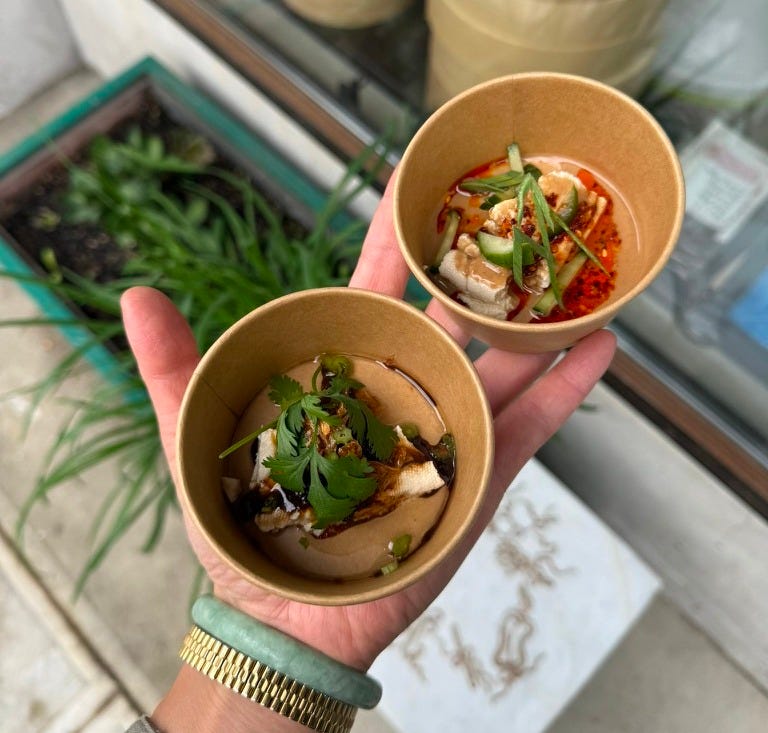
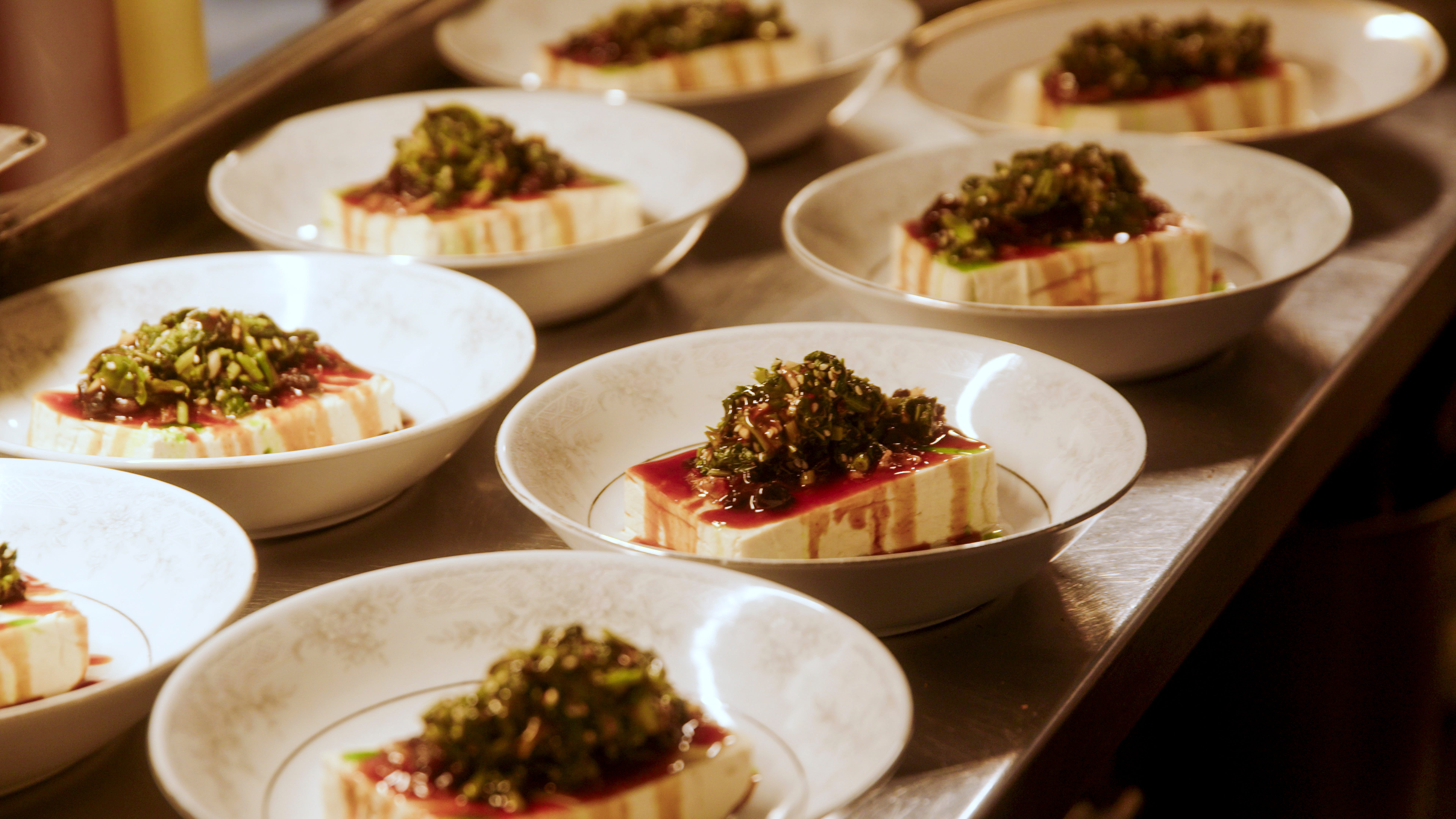
To demonstrate the magic of soybean alchemy, I served a dish that features soybean three ways: cold tofu dressed with fermented black beans and Taiwanese soy paste, topped with a cold relish I made from impulsively foraged garlic mustard. It was so much fun, I repeated it a week later in the shop, this time with tofu I made myself (more on that later) and an additional cold sesame iteration of the dish.
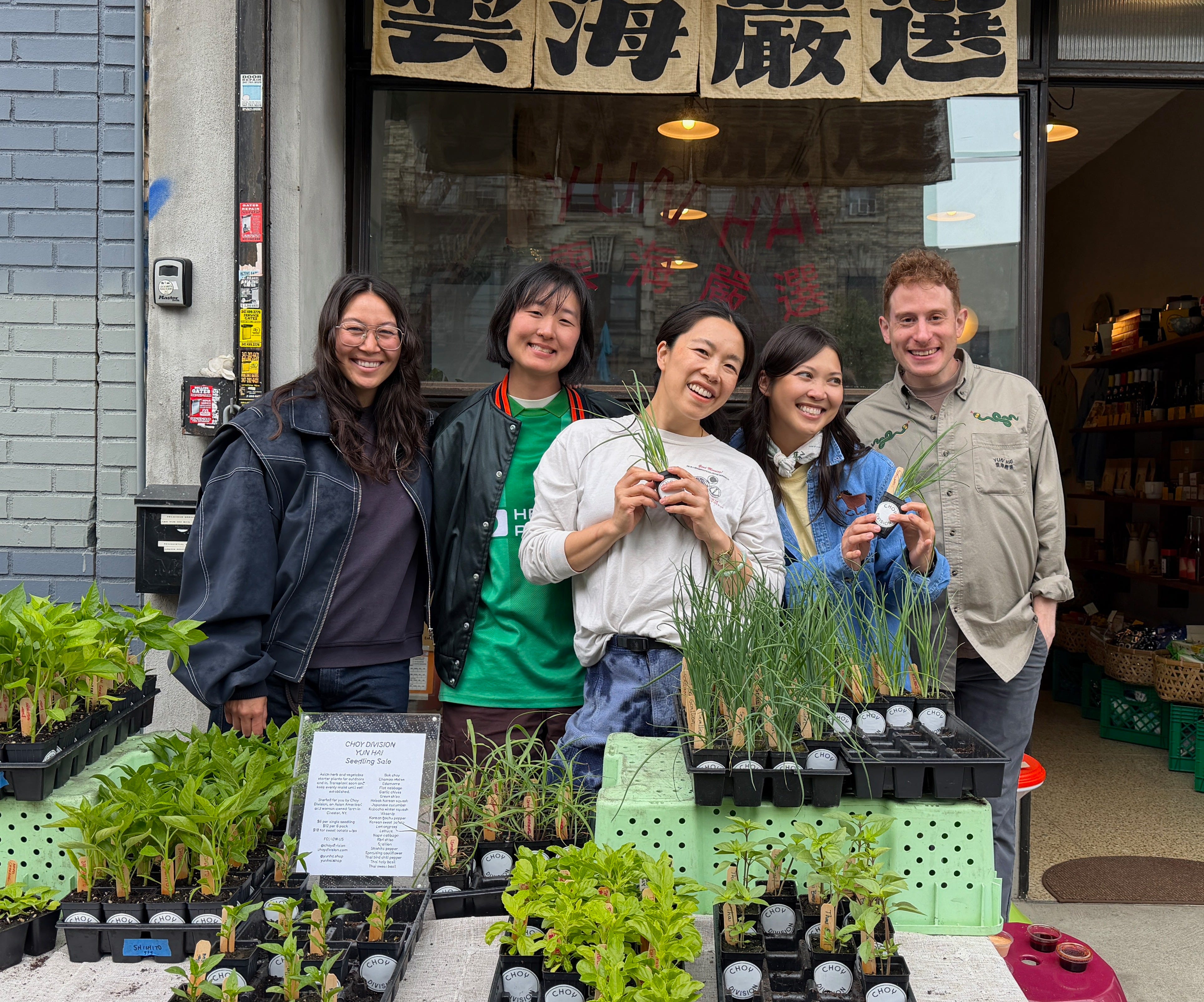
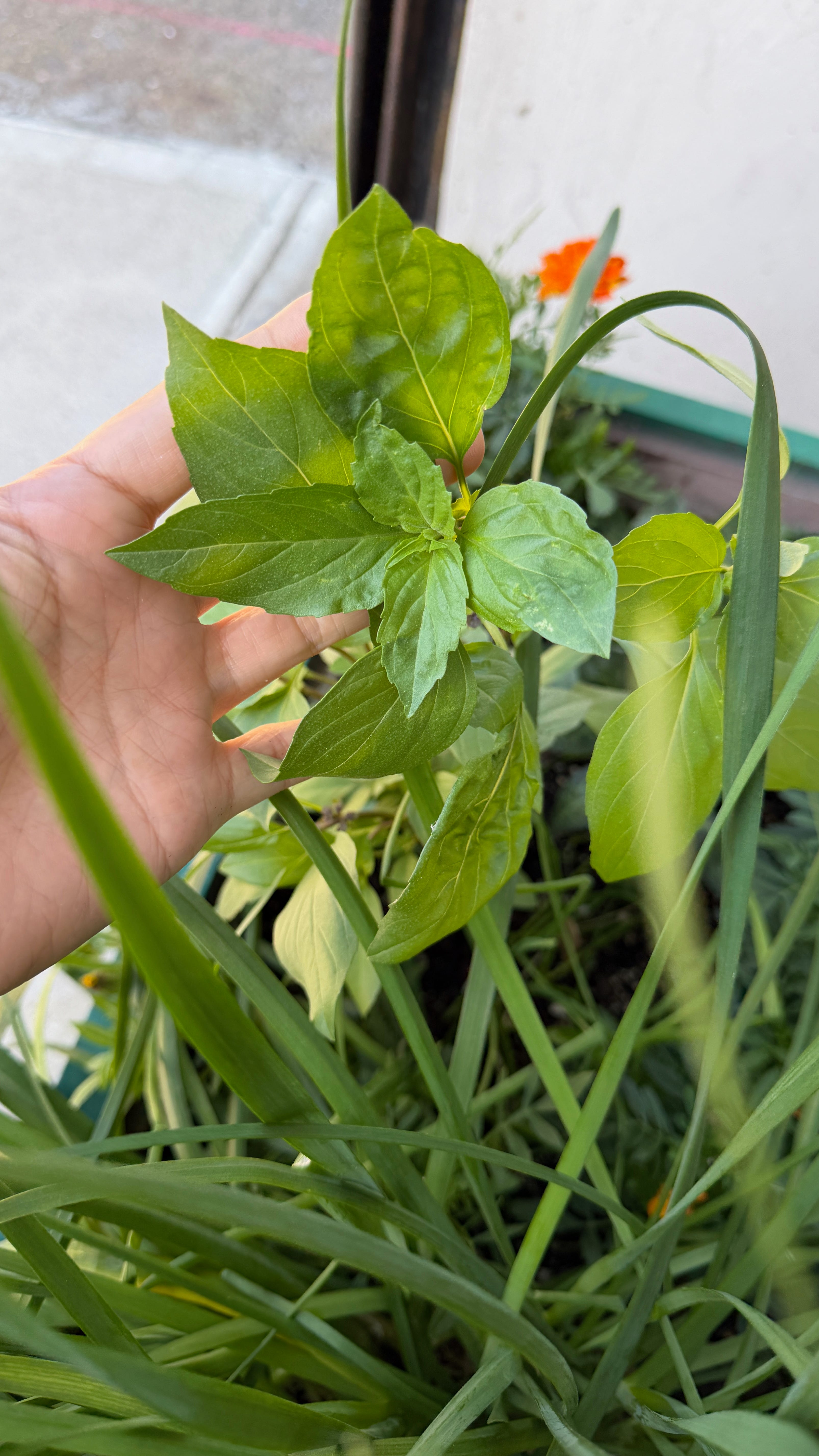
On May 9th, farmer Christina Chan of Choy Division staged her annual Asian vegetable seedling sale at our store, bringing hard-to-find, culturally relevant plants to our community of home gardeners, just in time for growing season. We sold over 400 seedlings in a few hours. What a joy to witness this love of planting, and we hope all the sweet and holy basils grow big. Ours certainly is!
On May 11, we hosted a Taiwan Farm Dinner with Progressive Hedonist, an event series committed to building climate resilience through joy, and Win Son, a celebrated Taiwanese-American restaurant, to benefit the Catskills Agrarian Alliance, an agricultural nonprofit working with local farmers across the region to increase food access and build a healthier food system. Like Choy Division, their operating farm, Star Route, is a member of Choy Commons, “a nonhierarchical cooperative of Asian-led farms engaging our communities in building food sovereignty for the Northeast.”
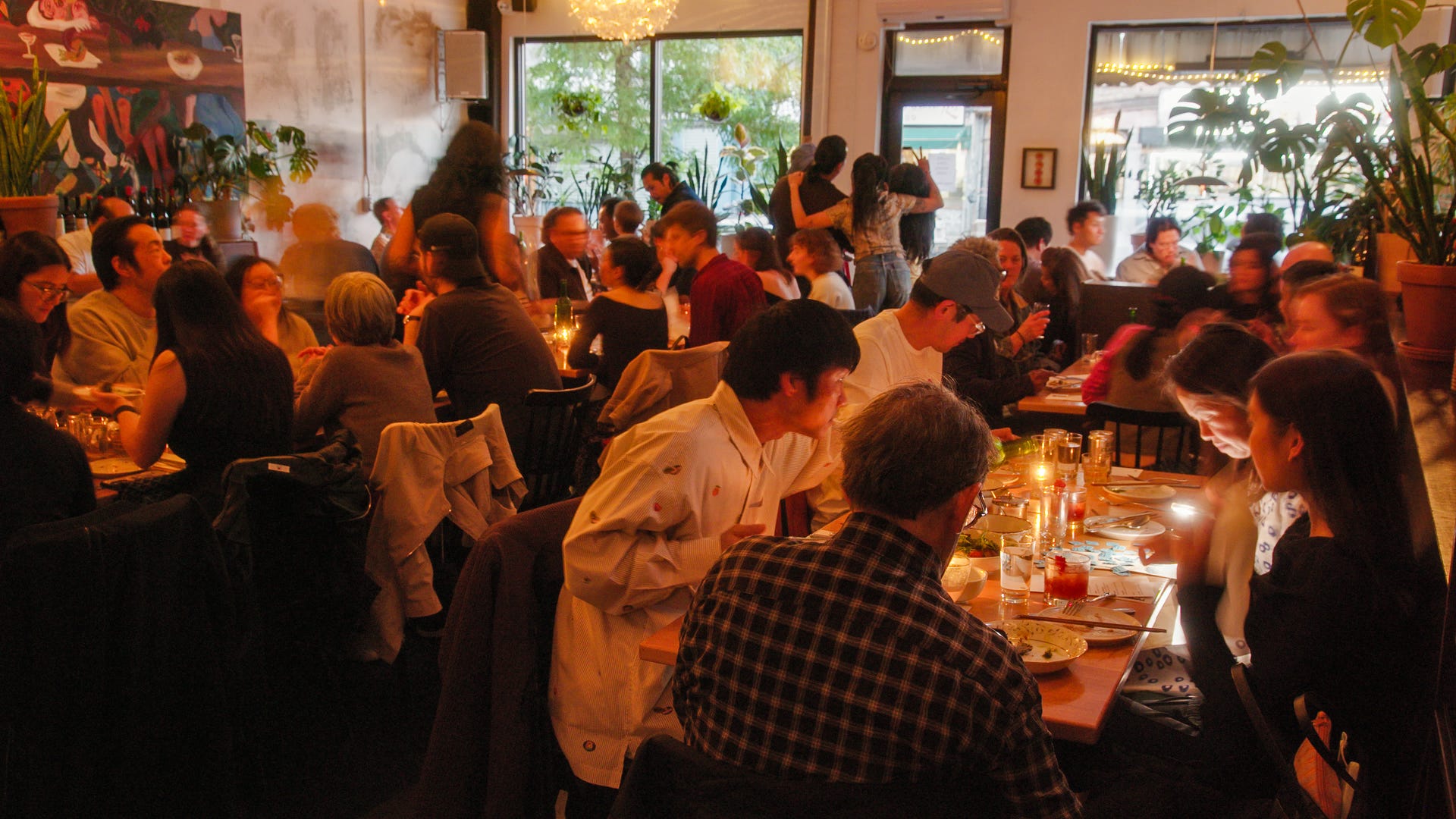
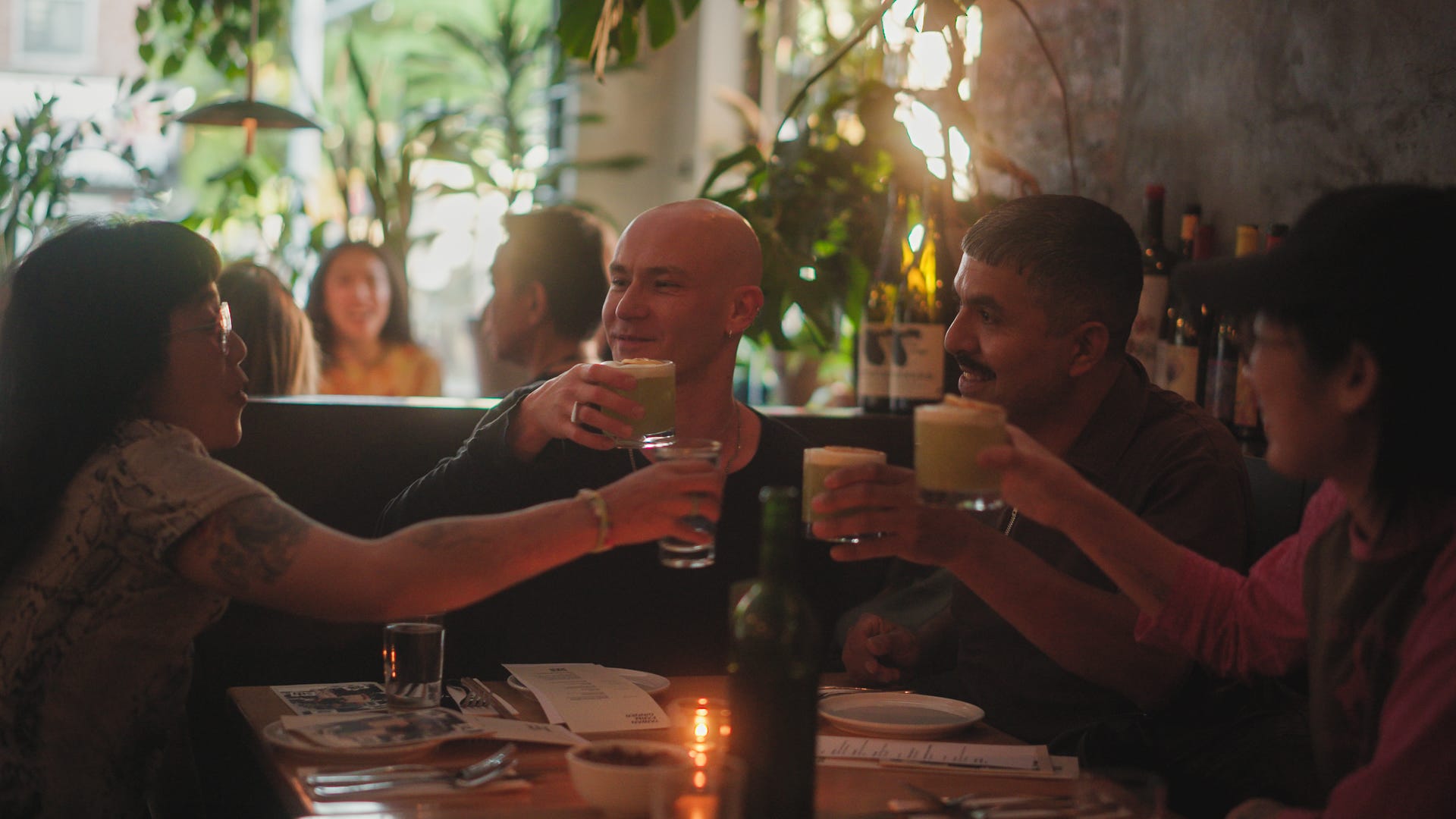
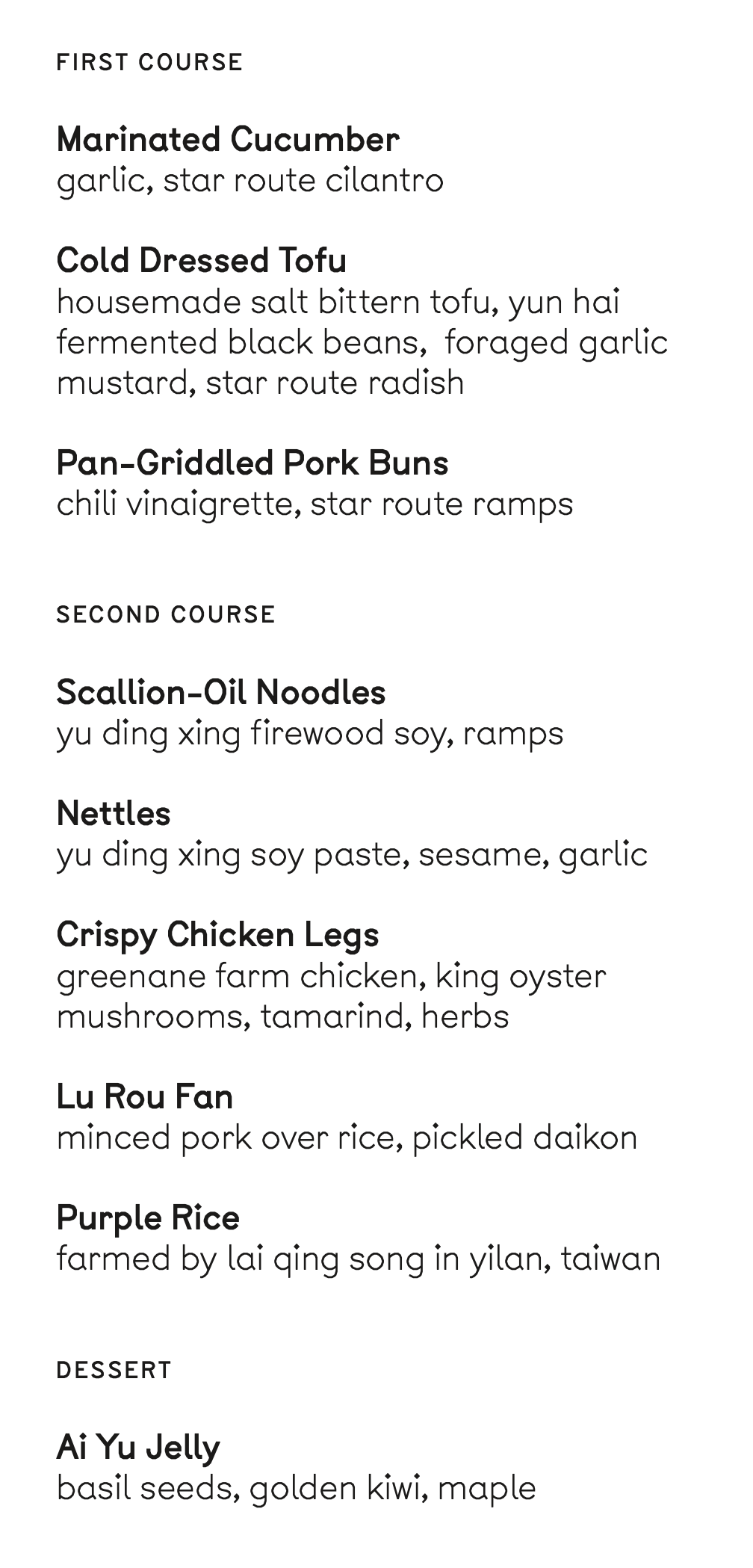
Chef Trigg Brown and Brian Girouard put together a menu featuring spring produce from Star Route Farm and Taiwanese artisanal ferments, grains and preserves from Yun Hai. Ramps and garlic mustard were hand foraged by Star Route Head Farmer Amanda Wong, and we featured purple rice from Lai Chin-Sung, a farmer and activist in Yilan in Taiwan. Here’s the whole dinner:
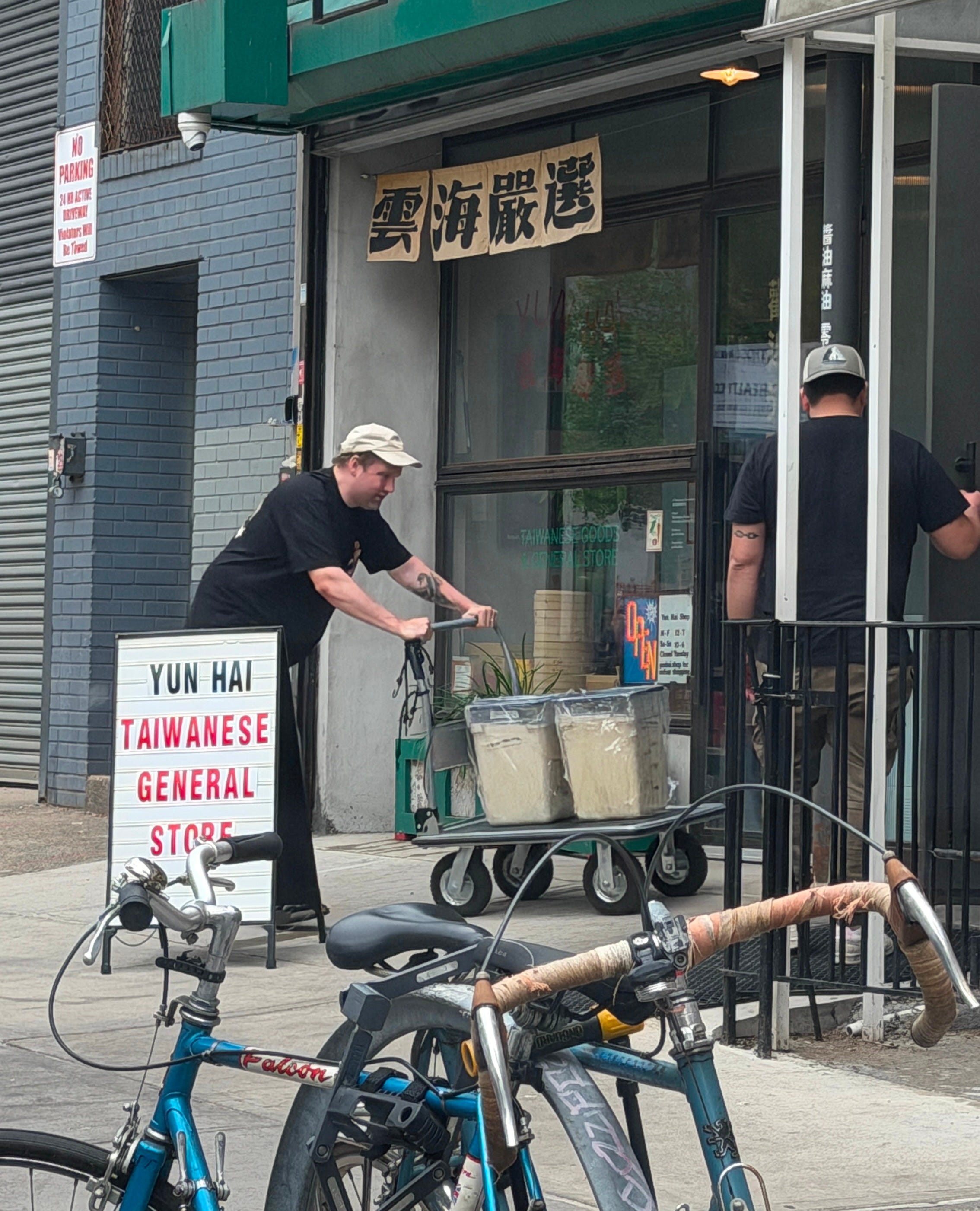
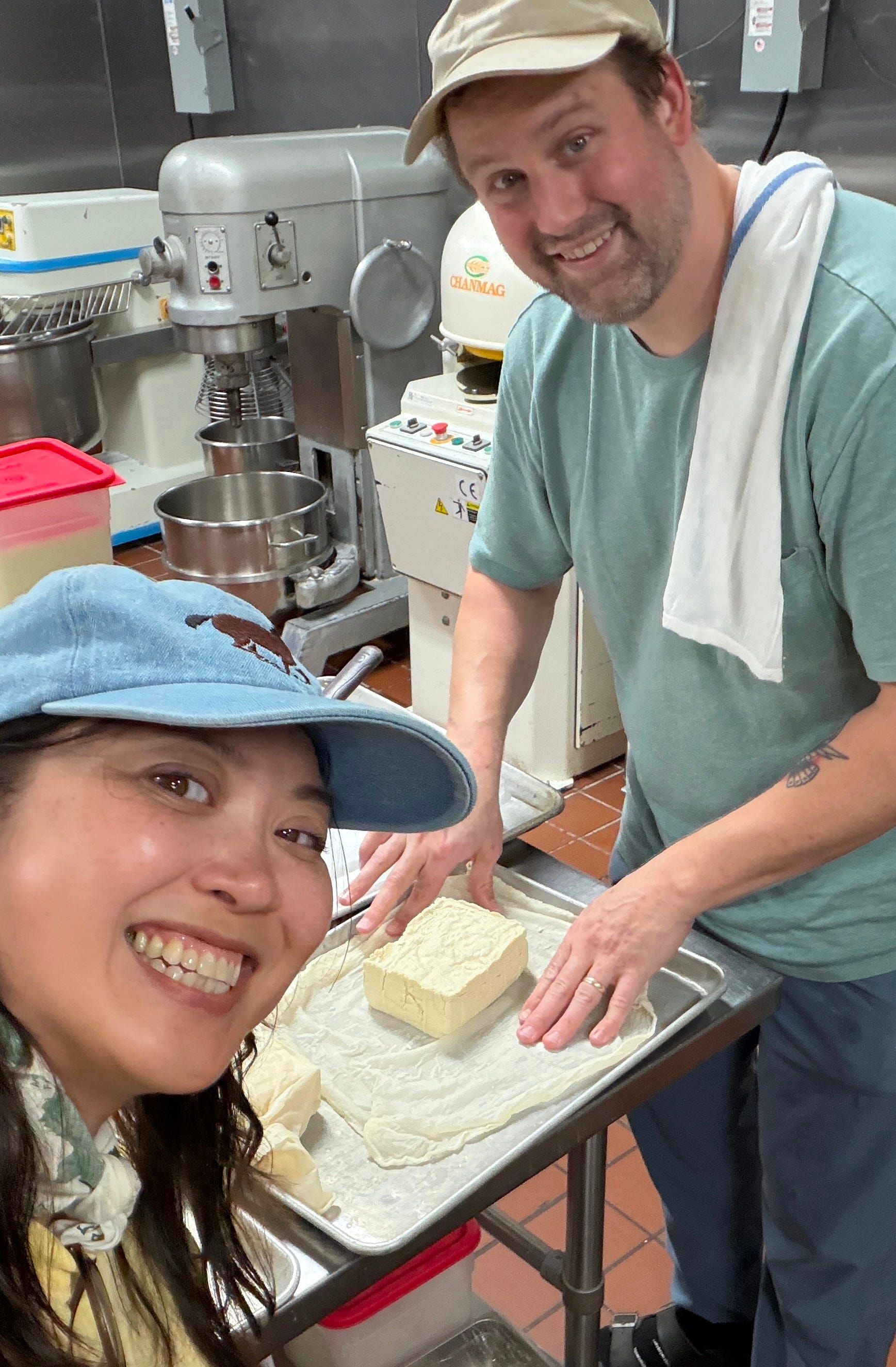
I contributed that cold tofu dish I had started working on at the beginning of the month, and roped Trigg into making tofu from scratch using Taiwanese ocean minerals as a coagulant. We made the tofu in bulk just after the aforementioned seedling sale.
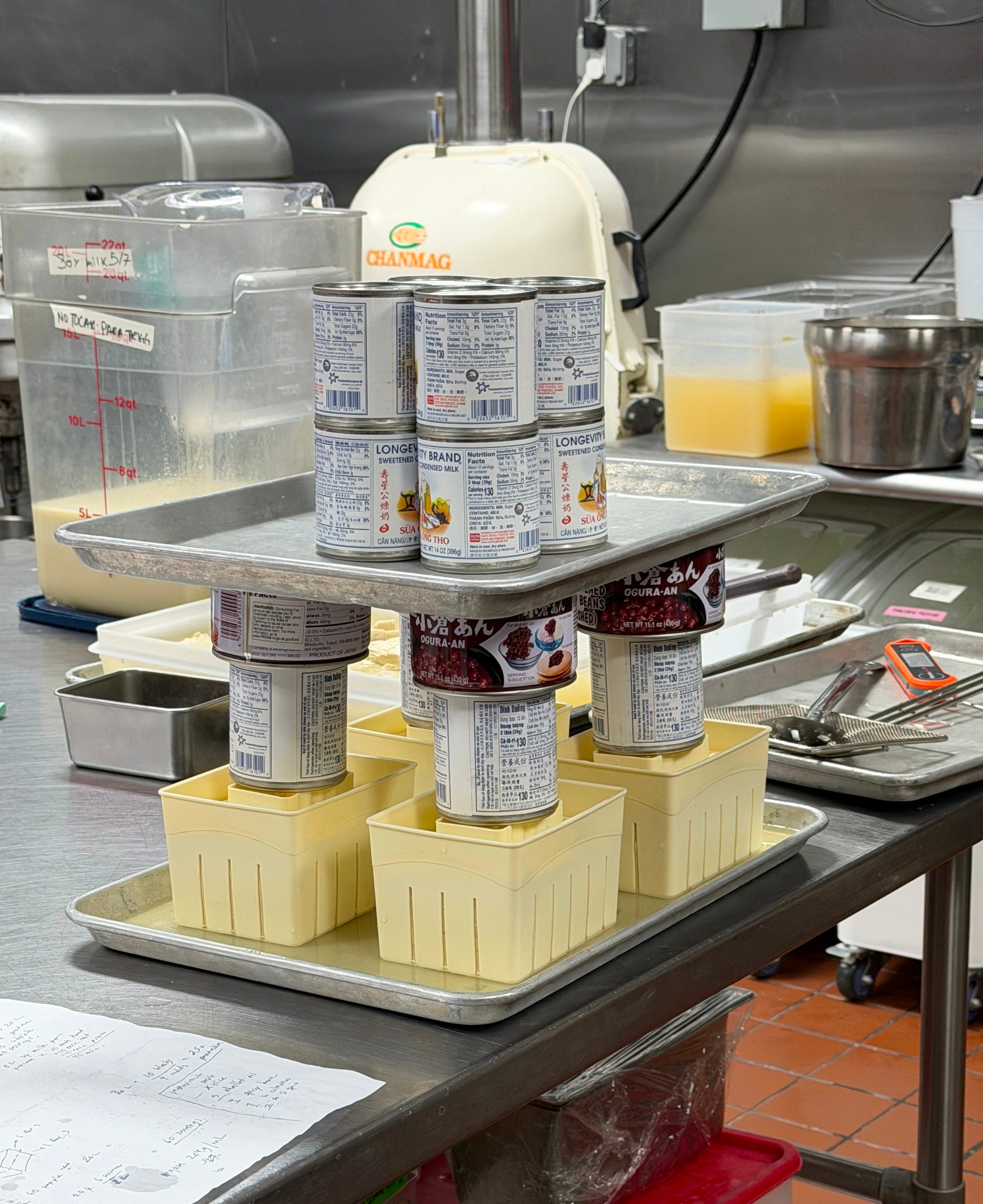
These ingredients became a lens into how food moves around the world, and what local, global, and migratory food systems have to do with each other and our health as a planet. We gathered a few speakers for the evening: Amanda Wong, head farmer at Star Route; Kimberly Chou, co-organizer of Taiwan Food and Farm Tour and Yun Hai team member; and myself — in a Q&A moderated by Dana Cowin of Progressive Hedonist. We spoke about our roles in this worldwide project: Amanda as a local agriculturalist, me as an importer, and Kim, bridging the gap by connecting farmers across the world for knowledge and cultural exchange.
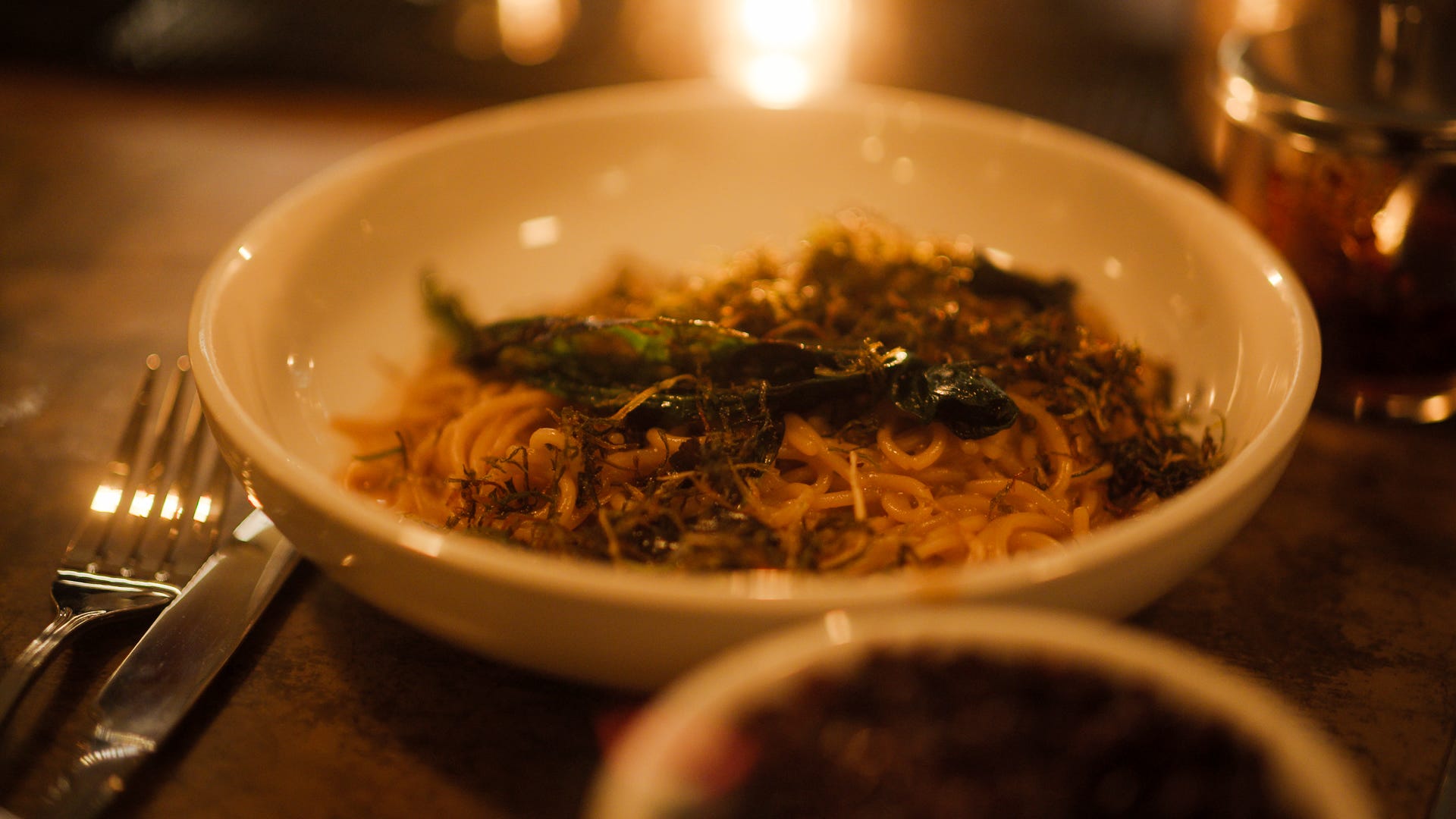
Through this dinner we were able to raise $3,000 for Star Route Farm and the Catskills Agrarian Alliance (in part due to the raffle run by my two willing and sweet children), which covers about two days of labor on the farm. The night was electric, full of energy and conversation, and it was such a privilege to be able to host CAA community members, nurturing those who nurture us all year through their farm work.
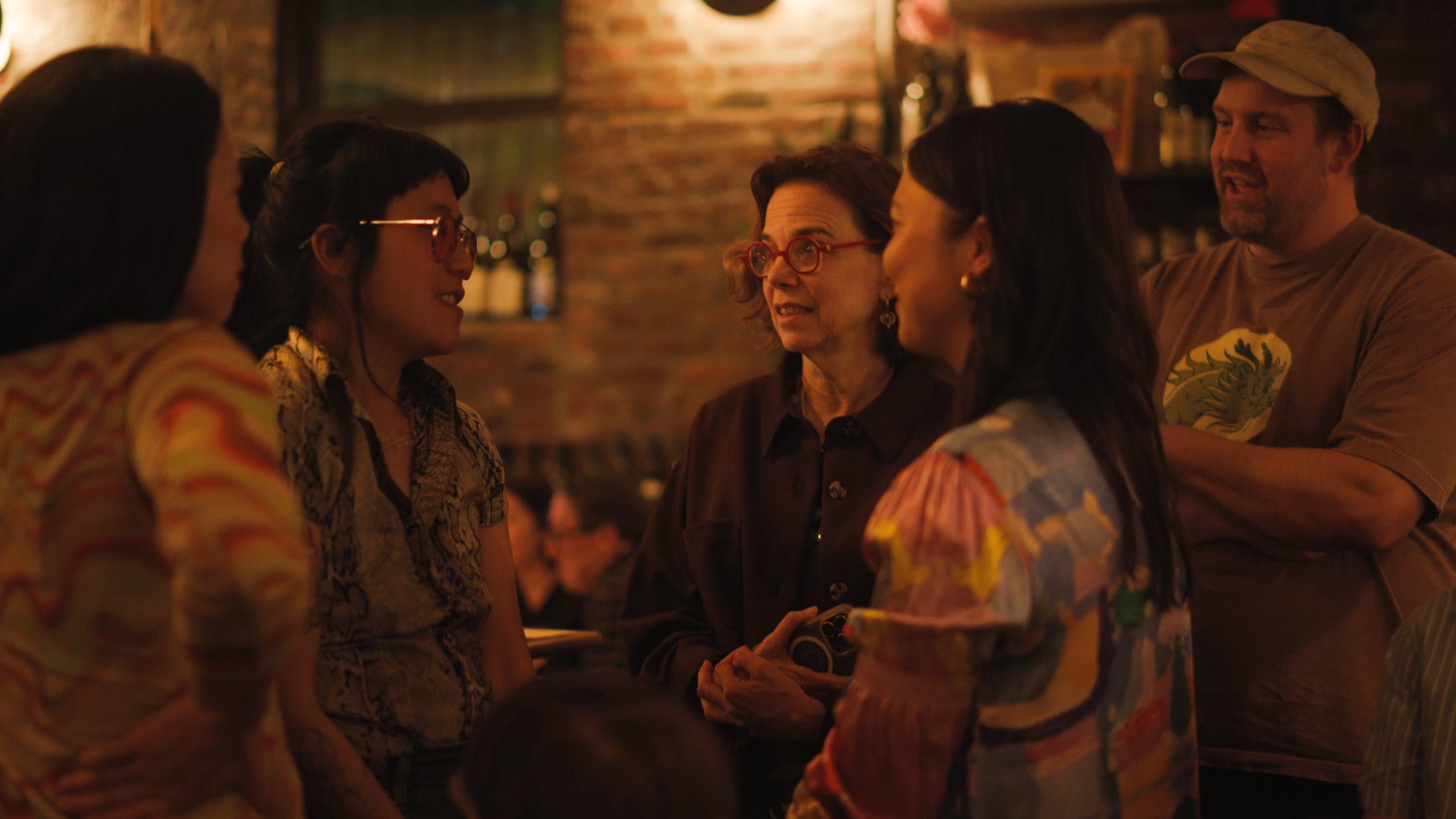
Thank you to all who participated and gave: Dana at Progressive Hedonist for co-hosting; Trigg Brown and Josh Ku of Win Son for the venue; Brian and the Win Son team for a perfect night of food, drink and hospitality; Yenwei Liu for the design of the fliers and menu; Tianna Kennedy and Amanda Wong for their years-long work in the Catskills; Kimberly Chou for building bridges across our communities; Rafael Roy and Kelin Verrette for their beautiful documentation; my mother for shepherding my kids through their raffle task and being my mom; and, of course, Amalissa Uytingco, Jeremy Hersh, and the rest of the Yun Hai team for their support in this event and all the work we strive to do.
Kim offered to put her experience of the evening into words. What follows goes far beyond a recap. It’s an account of what international agricultural solidarity looks like, as experienced through her work organizing the Taiwan Food and Farm Tour.
Taiwan Food & Farm Tour: the Ancestral Past and Possibilities of the Future, by Kimberly Chou
I’m smiling big when I think of this month’s Taiwan Farm Dinner, co-hosted by Yun Hai and Progressive Hedonist: Win Son’s dining room packed with new and old friends, collaborators and fellow travelers, all gathered to raise funds for Catskills Agrarian Alliance and Star Route Farm.
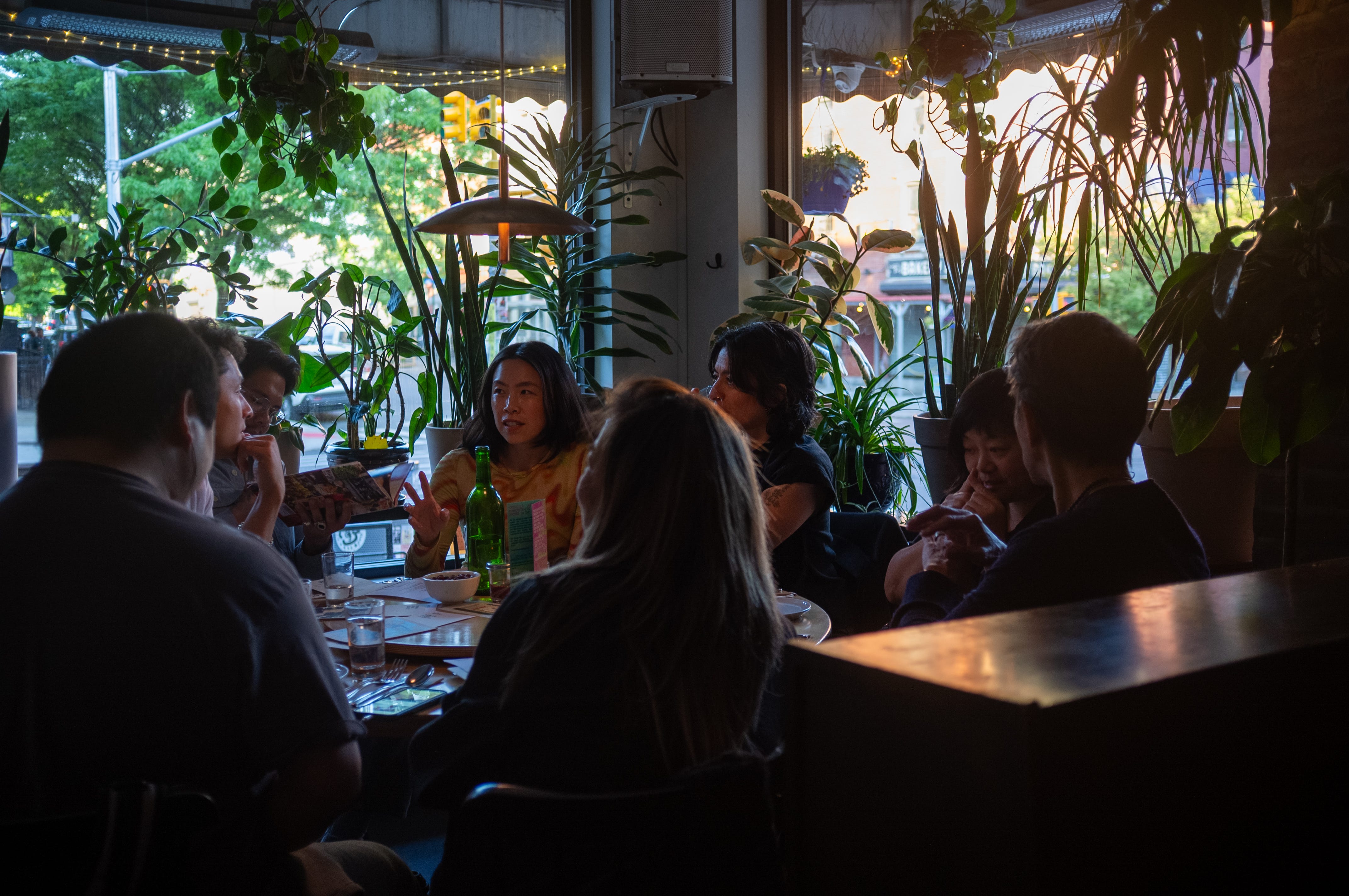
The dinner was an opportunity to learn not only about the orgs’ farmer-led food sovereignty work in upstate New York, but to explore what international solidarity can look like between farmers, food producers and food workers—plus everyday consumers and enjoyers—from here to Taiwan.
We engaged through conversation—a Q&A featuring Lisa, Star Route head farmer Amanda Wong, and me, moderated by Dana Cowin, touching on everything from the economic challenges of farming to ancestral healing—and through a menu of transnational dishes, all part Catskills, part Taiwan. May all community gatherings be blessed with salt bittern tofu (handmade by Lisa and Win Son chef-owner Trigg Brown), dressed with Yun Hai-imported fermented black beans and Star Route-foraged wild garlic mustard and radish!
In deep seriousness, we are in a critical time on the clock of the world, to quote legendary Asian American movement leader Grace Lee Boggs. It’s a time of immense struggle and heartbreak—but it also holds real possibilities for change. We, together, can get us through the fire. In these past few years, when the issues we’re confronting feel almost uncomprehendingly giant, I have found hope and grounding in connections that feel local and concrete, especially in food justice organizing. Building with other Asian diaspora folks committed to equity and self-determination for all (including the Choy Commons farmer cooperative, of which Star Route and Amanda are a part) has added another layer of depth and sweetness.
Last year, I launched Taiwan Food & Farm Tour with Li Schmidt of Cultural Roots Nursery and Scott Chang Fleeman of Shao Shan Farm, an initiative that invites Asian American food workers and land stewards to Taiwan for cultural exchange, skill sharing, land-based healing and internationalist solidarity building, in partnership with leaders in Taiwanese traditional foodways and regenerative agriculture.
We piloted our first trip in November, traversing the island for a week with eight farmers from California and New York. From Taipei’s community gardens to Pinglin’s native bee habitats, from the lush paddies of Yilan deep into the mountains of Hualien, we met with more than 20 farmers, producers, chefs and food business operators—including Lai Chin-Sung, godfather of Taiwanese agroecology, community farm school founder and the producer of Yun Hai’s purple rice (also served at the dinner).
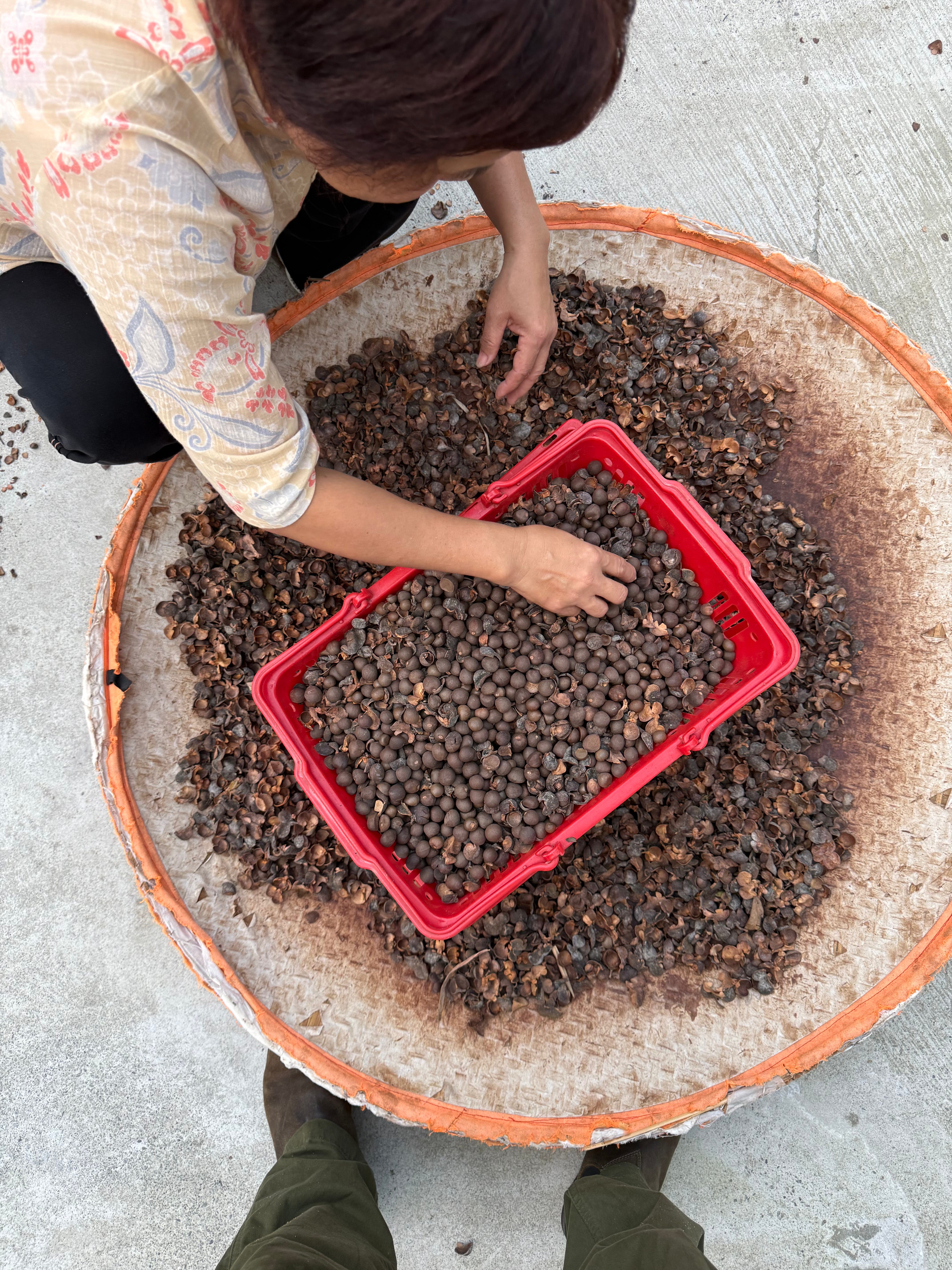
We harvested tea seeds for camellia oil (at Greenlight Farm 綠光農園); planted red quinoa to resist soil erosion (at Pangcah, the largest indigenous organic farm in its region); and engaged with black soybeans at multiple stages of their life cycle: touring a Yilan honcho 吳慶鐘’s production facility which makes value added products like black soy milk for his farm and others, visiting a small-batch soy sauce workshop 島匠商行 (used in the Louu popcorn Yun Hai carries in store!), and weeding black soybeans in Guangfu, Hualien from their nemesis, a kind of spiky amaranth (which we learned from indigenous farmer and community leader Ke Chunji, is also one of Amis people’s most beloved wild greens).
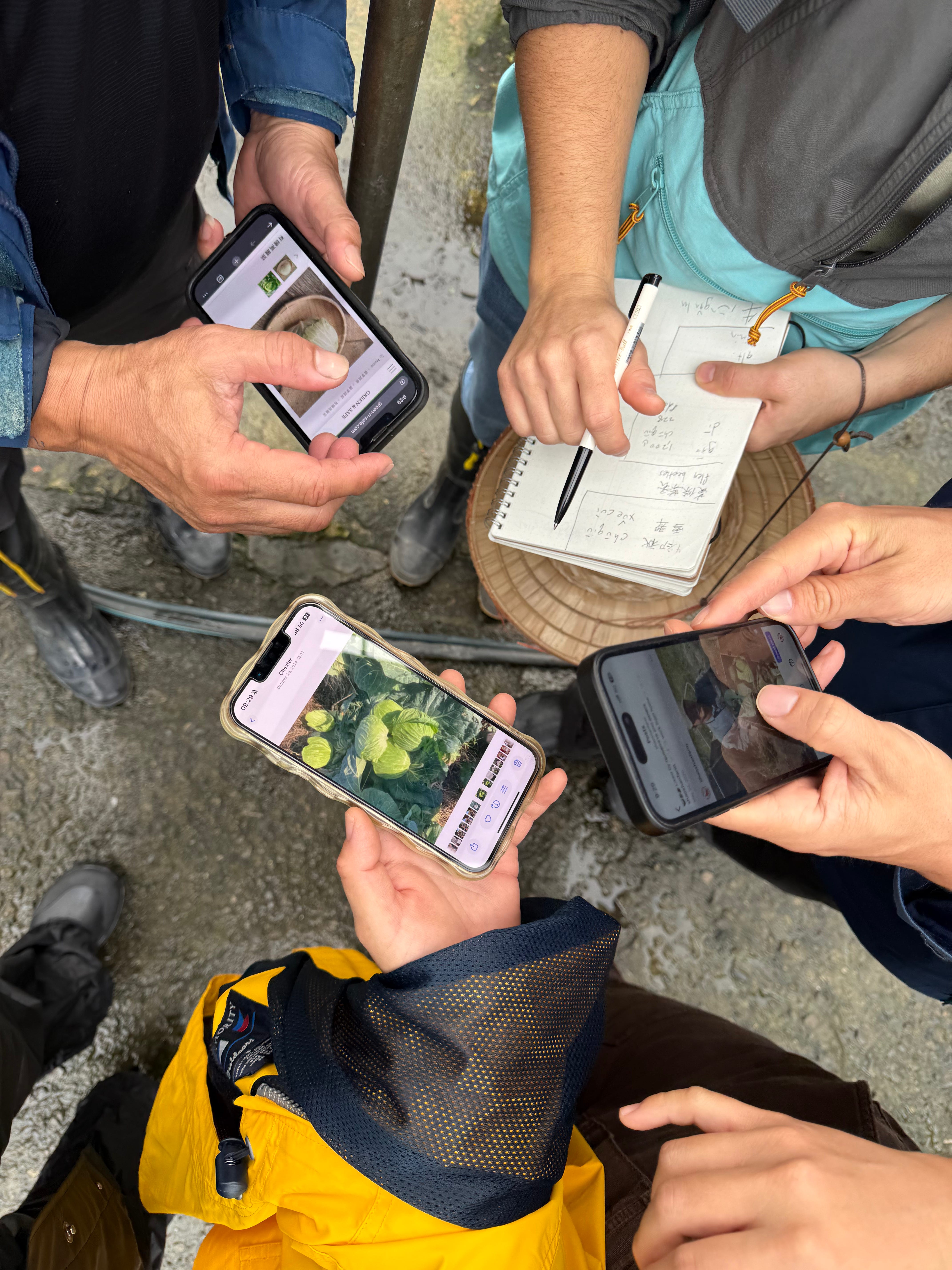
All along the way we asked our hosts about their challenges and found that many are unsurprisingly similar to ours. The crises of land access and affordability. Farming against climate change—especially in Yilan, which now experiences its historically heavy rainfall in half as many days a year, and Hualien, heavily hit by a typhoon in 2025 amidst recovery from an earthquake in 2024. Loneliness in these physically demanding, economically precarious pursuits that struggle to appeal to younger generations.
But our dreams and beliefs mirrored each other, too: a desire to actually make a living through small-scale, regenerative farming or artisan food production. To shift expectations away from tech and industrialization and toward these land-, people- and care-centered ways of existing.
And all along the way our hosts remarked on how surprised they were that we were all farmers from America—all Asian, from different backgrounds—traveling across the world to meet with them. This trip transformed all of us, on the Asian American side, on the Taiwanese side—in multiple directions.
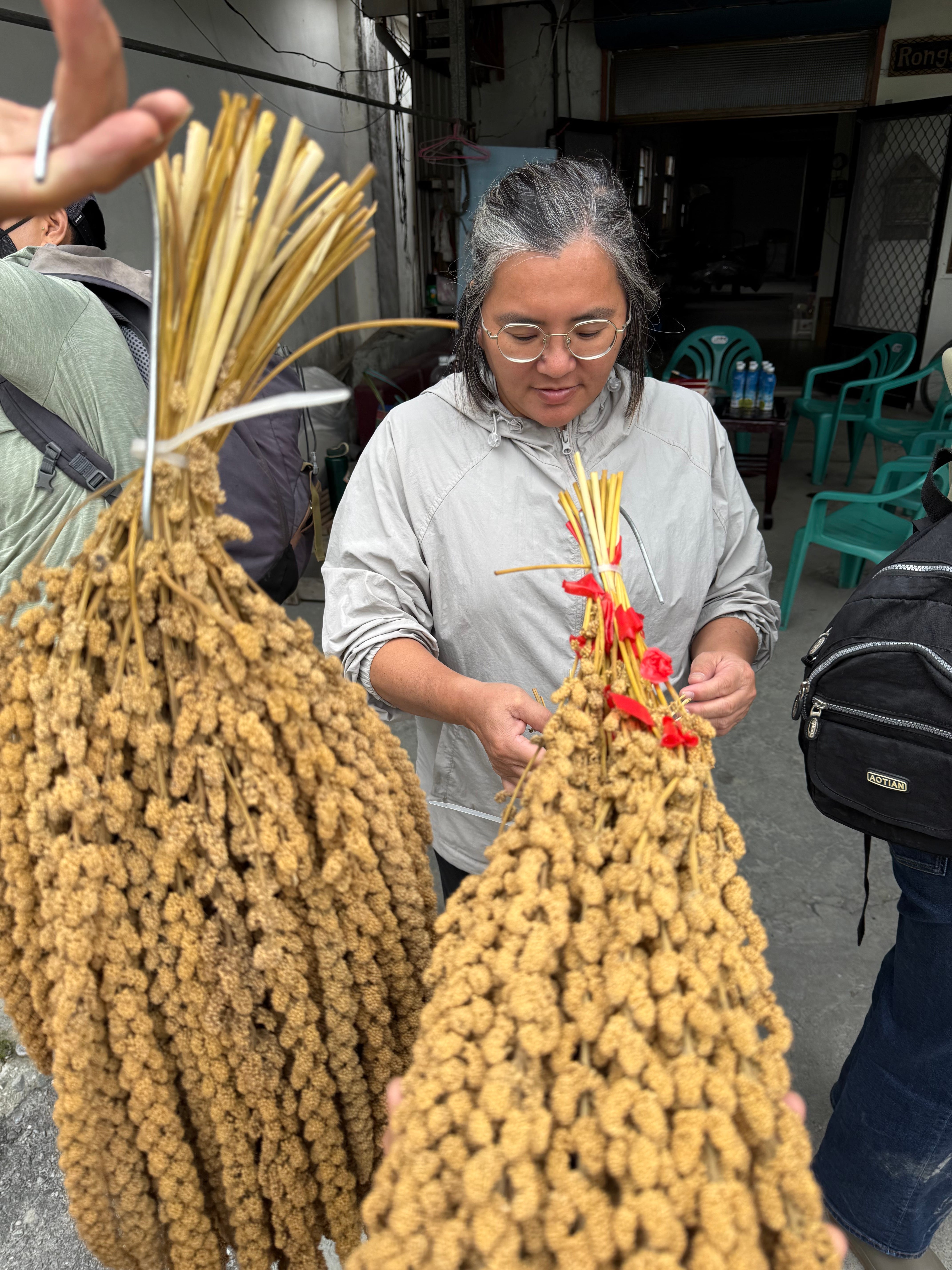
“Your visit has given me a deeper understanding of the international landscape,” said Ke 姊 (big sister) after we met. “I realized that there are farmers in the world who resonate with me, caring about feelings, about effort, and about the next cycle of life on earth.”
From my own learning and reconnection to Taiwan in recent years, through family travel and food justice organizing, it’s not lost on me what a gift it is to visit my motherland—or to even know what it is, a seemingly simple thing stolen from so many due to imperialist and capitalist legacies of displacement, land theft, occupation, and enslavement. Even with today’s Asian American farmers—who make up less than 1% of farmers in the US—many are considered first-generation farmers. Certainly some are folks who have pivoted from different careers or backgrounds, while there are others who are disconnected from farming in their lineages—whether these histories feel inaccessible due to migration or assimilation, or from structural violence, like the U.S. government’s incarceration and land theft of Japanese Americans during WWII.
I know my work in building international networks of resilience comes with a mandate for (re)connection and healing—my own and others. I continue to learn from and be inspired by folks who are healing and remaking bonds to their ancestral homes and cultures of origin, including Palestine Heirloom Seed Library, Black Farmers United NYS and Soul Fire Farm.
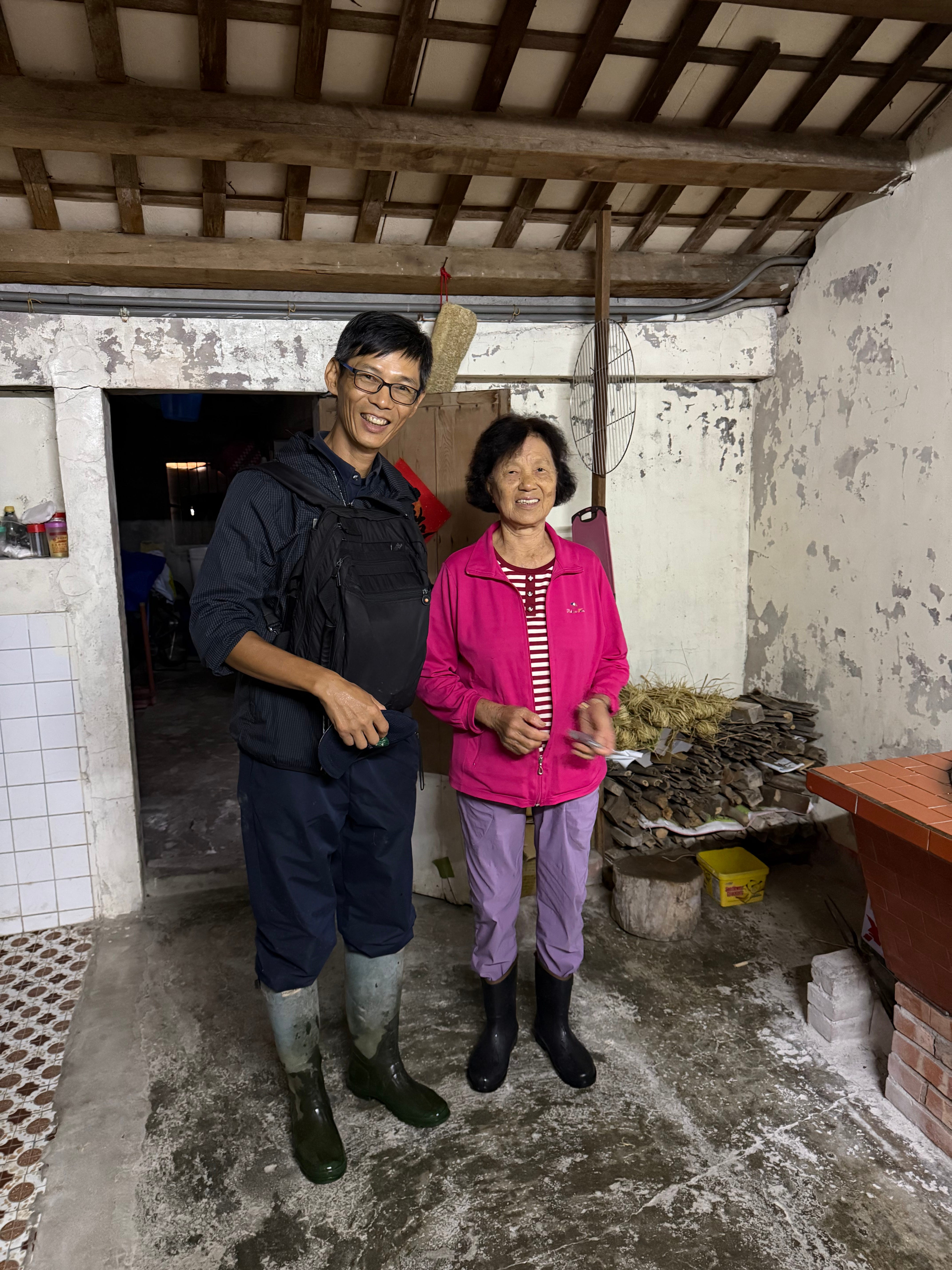
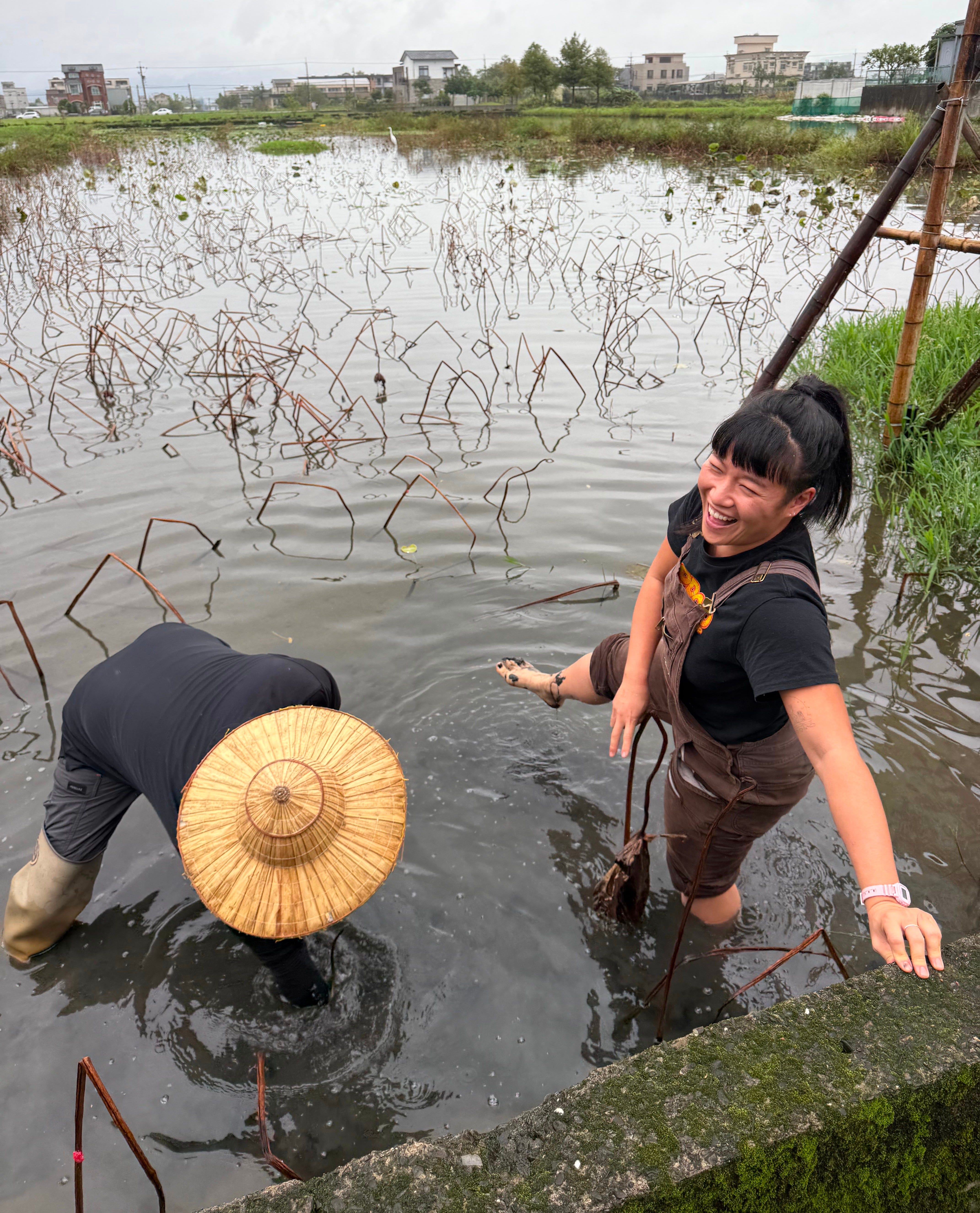
In trying to hold these intertwined commitments, from here to Taiwan, I think of Chin-Sung 大哥 (big brother) sharing one of his favorite memories together: harvesting lotus root, barefoot in the mud, all of us giggling in friendly competition and delight. It was a gray afternoon and Yilan’s famous feathery rain was falling, but we spent so much time mucking in the paddies that he and the fellow farmer hosting us joked that we were harvesting too much—and they were only “borrowing” that plot from a friend to show us!
“When you all jumped in the paddy field, I saw you connecting to your parents’ ancestors’ earth, laughing and playing like children,” he said. “It went beyond my expectations. I was deeply moved by everyone’s strong desire to be close to the land.”
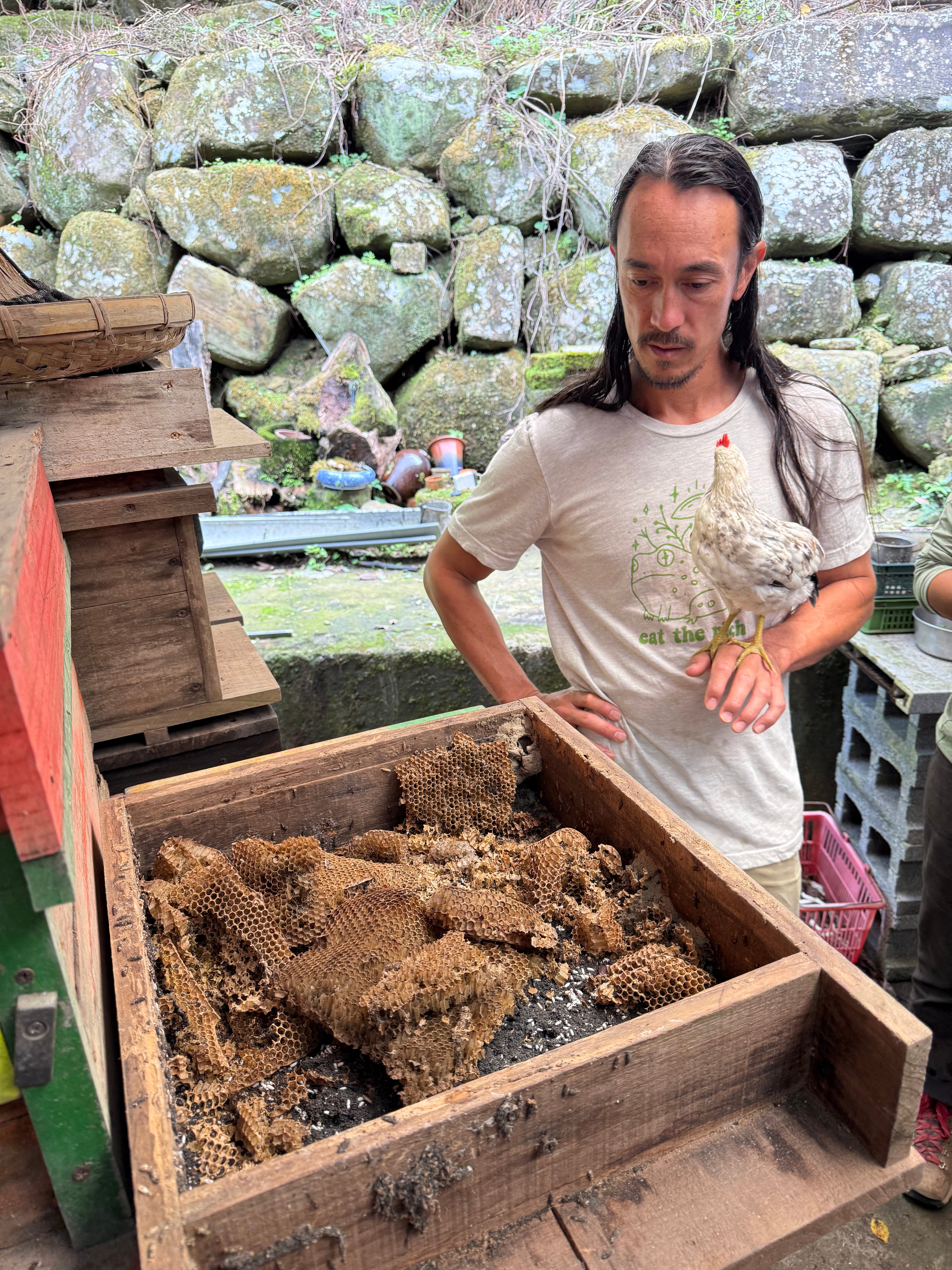
As Taiwan Food & Farm Tour grows, we are dreaming of how to expand our reach beyond our hosts and delegates — without sacrificing the power of these intimate exchanges. In the next few years, we aim to bring new cohorts to Taiwan while also organizing Taiwanese farmers like Ke 姊 and Chin-Sung 大哥 to visit us in the States.
I know that what might feel like small, distinct efforts—a farm fundraiser dinner in Brooklyn, a weeklong trip for a handful of farmers—can have major reverberations.
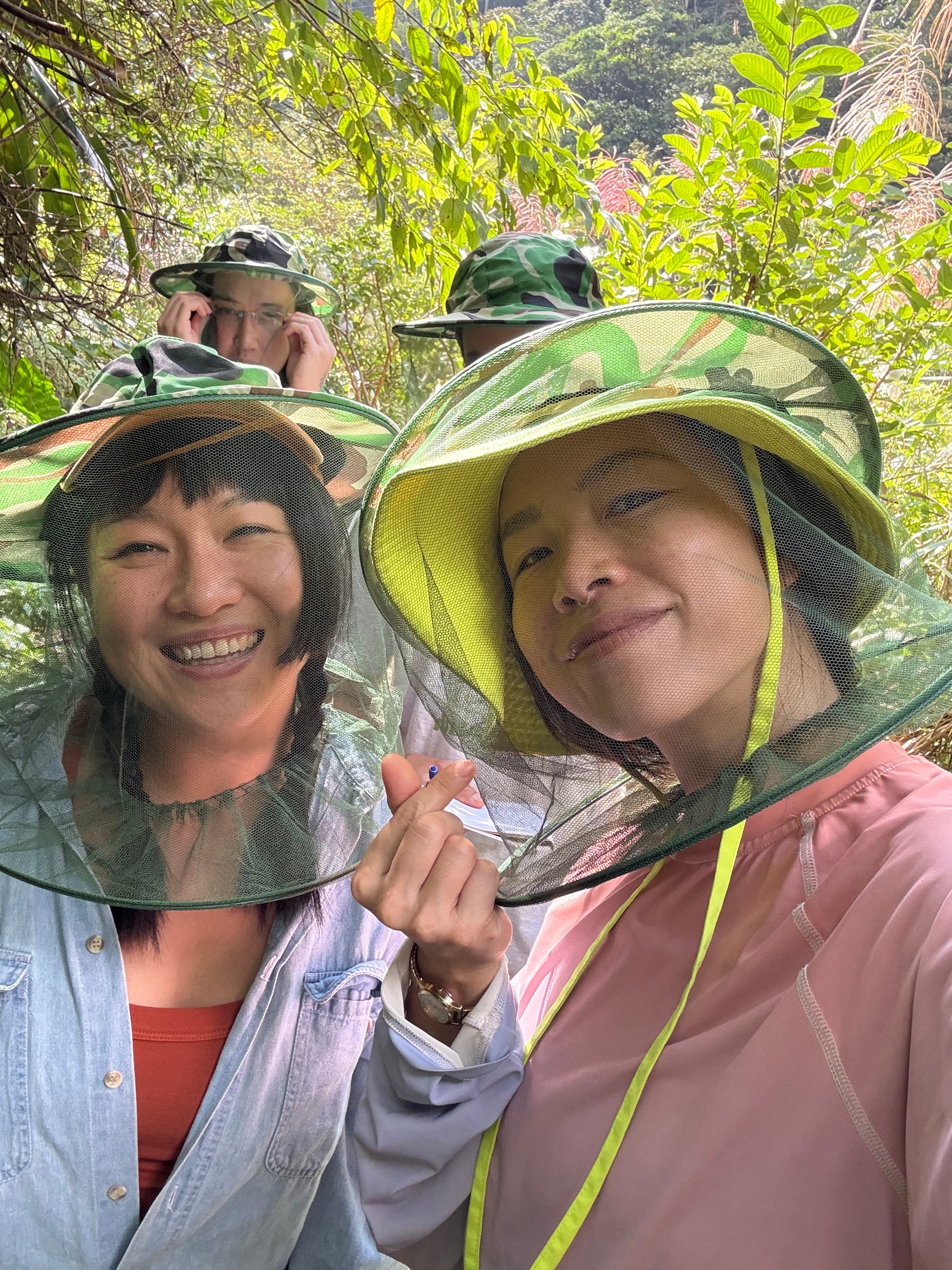
By sharing our stories, seeds, techniques, and markets with each other, we are building the social and economic infrastructure necessary to create new global paradigms in agriculture—where land workers and food producers who value their own labor, plants and the planet can not only survive but thrive, pursuing sustainable livelihoods, growing and producing culturally resonant foods.
Kimberly Chou Tsun An 周存安 is a writer, community organizer and culture worker based in Brooklyn, NY, with roots in Taiwan and Detroit, MI. Her work plumbs the intersections of land, food, culture and care in pursuit of what it means to be living (not just surviving) in this present moment, while grounded in the ancestral past and the possibilities of the future.
Before I Go
As rewarding as it is, this work is grueling for everyone and almost never financially lucrative, but she’s right that it reverberates and makes a profound difference. In today’s letter, I see all the lines of this beautiful tapestry we’re weaving across the world, and I feel the resonance. If you’re also moved, and in the position to support financially, please consider donating to Catskills Agrarian Alliance or Taiwan Food & Farm Tour (select “taiwan farm delegation” in the form). And, as always, your continued business, newsletter subscriptions, and support for Yun Hai funds all the community-oriented work we’re able to do. So, thank you!
I gotta get back to my holiday cooking (dress rehearsal), but here are a few more updates before I sign off:
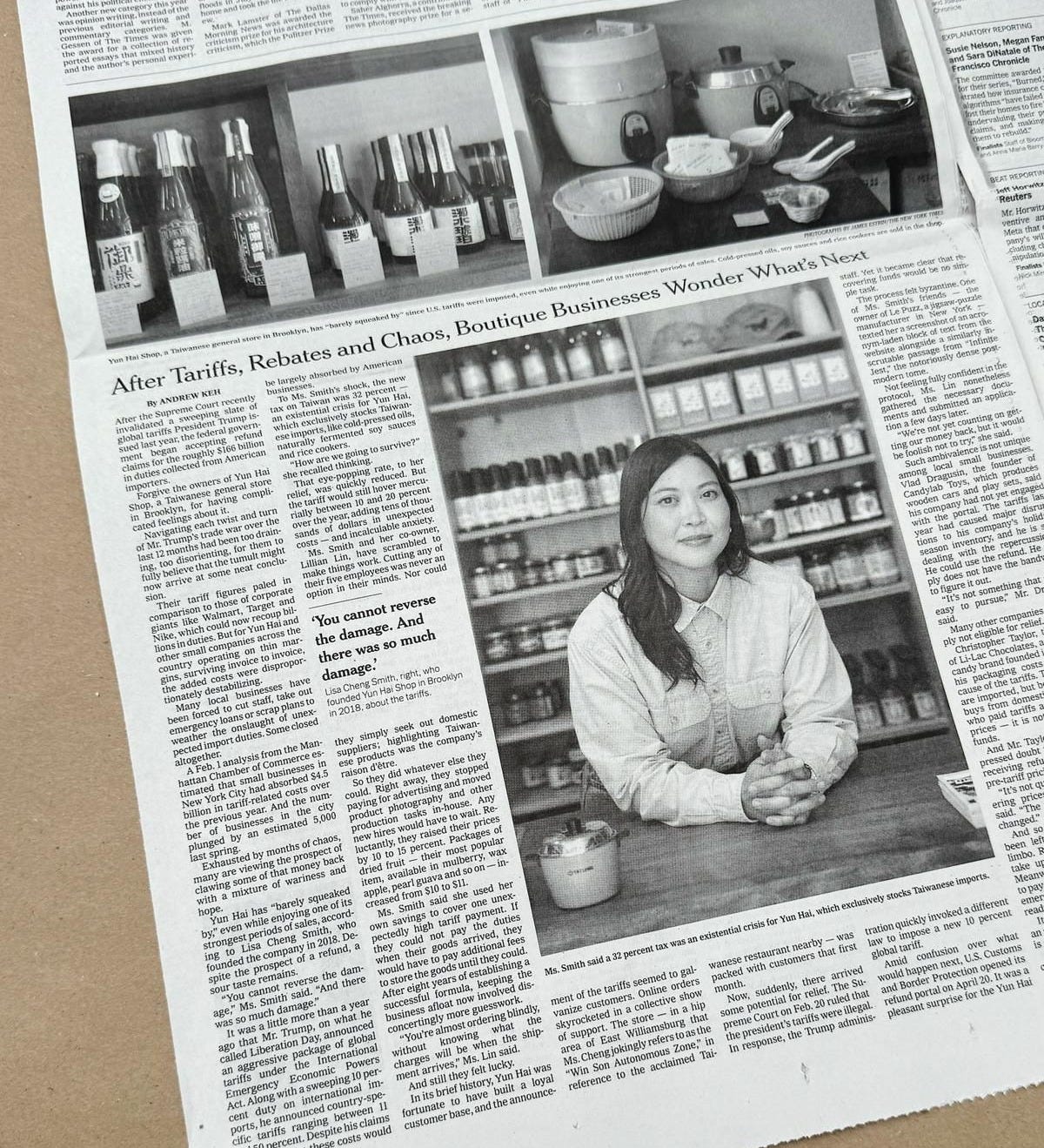
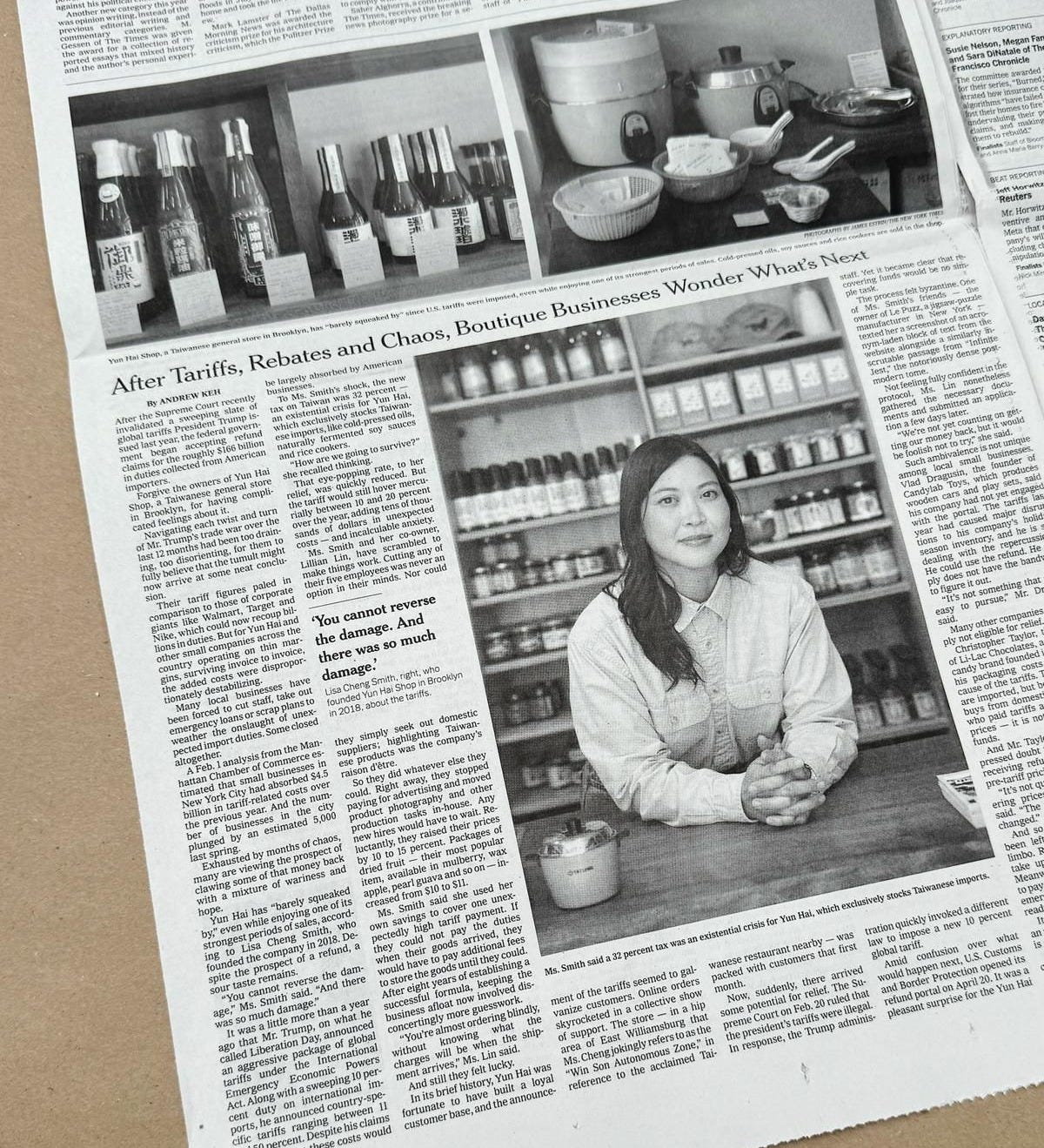
Tariff, Rebates, and Chaos: Boutique Businesses Wonder What’s Next, by Andre Keh, covering our experience over the past year managing tariff chaos in the New York Times.
Our friend Eric Sze of Wen Wen and 886 has opened pre-orders to his forthcoming book, Taiwanese?, a personal and historical-leaning traipse through all that is, is not, and maybe is Taiwanese food. Pre-orders make a big difference to best-of lists, so don’t delay!
We’ve just launched discounted bundles of soy sauce, for all you repeat customers. Now buy in sets of three and save up to 7%, or order with an included pour spout and save 5%. While you’re at it, don’t miss our Father’s Day Gift Guide!
As always, please check out our quick sale section, featuring products nearing their best-by date, which doesn’t mean all that much except that we need to sell them at a discount :D
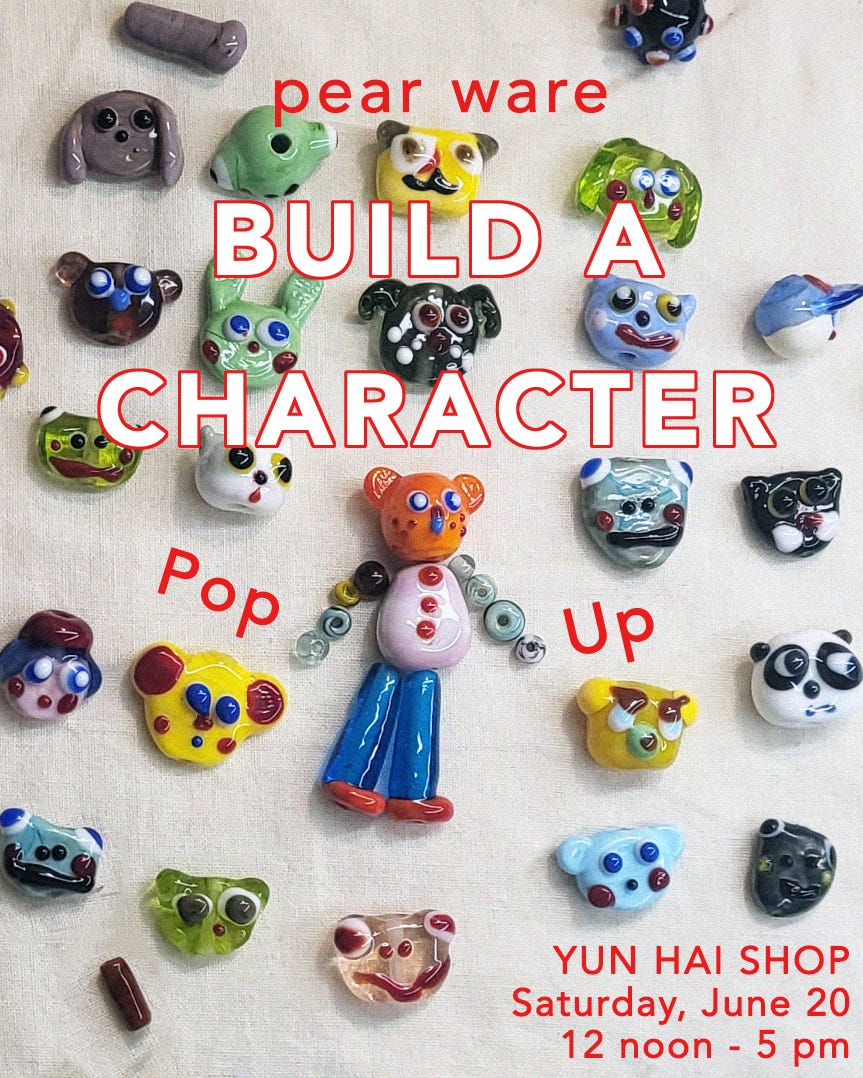
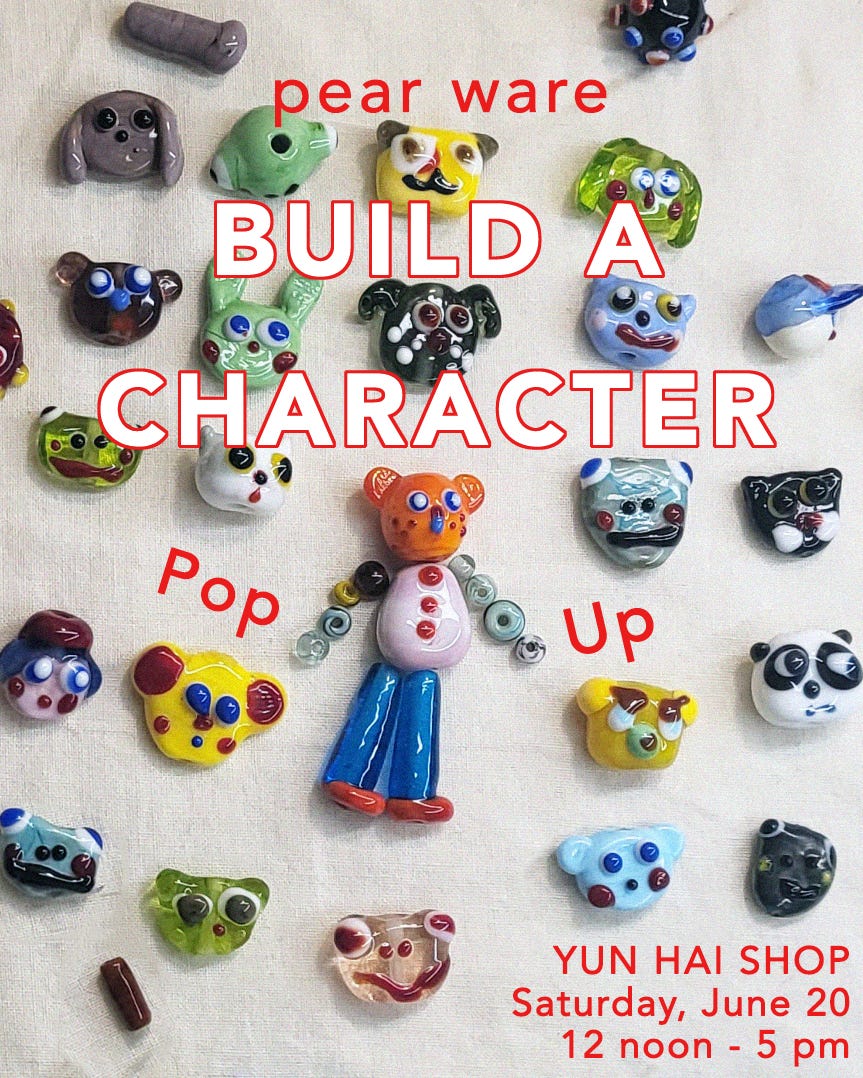
We’re hosting a Build-a-Character Pear Wear jewelry pop up in store on June 20th! So cute! Don’t miss out on these pieces by artists Mika Agari and Chuggy Roro. Tickets include a 30 minute build session and finished glass charm; get them here.
To celebrate Dragon Boat Festival, we have our annual seasonal bamboo-wrapped sticky rice dumplings (zongzi) in store. Swing by for a classic northern style, a rice flour based hakka style, or QQ red bean jelly, through the end of June and while supplies last. They’re easy to reheat in a steamer:
Ok phew and finally, lots of lovely folks shared our story last month! Catch Lillian and our friend Henry Hsu on a Kron4 tv segment about steaming dumplings, a shop visit with Andrew Chuang of Xing Fu Tang, and a generous and sweet profile of my daily life in the shop by Leo Chang and Boyu Huang for Taipei Cultural Center.
Now off to make the show!
cooking with bean,
Lisa Cheng Smith 鄭衍莉
The ideas and opinions expressed in Studio Notes are mine, and don’t represent the larger Yun Hai organization. Thanks to Amalissa Uytingco for the proofing. I read all email replies and comments, so please reach out. Photographs, unless credited, are by me. If you enjoyed this newsletter, share it with friends and subscribe if you haven’t already. I email once a month, sometimes more, sometimes less. For more Taiwanese food, head to yunhai.shop, follow us on instagram and twitter, or view the newsletter archives.


The soybean three ways dish is making me so hungry. Growing up Taiwanese American the soybean was just background — tofu from the store, soy sauce on everything — and it takes something like this to make you actually look at it. Congratulations on the NYT piece too.
We are a bean people. Fantastic post.